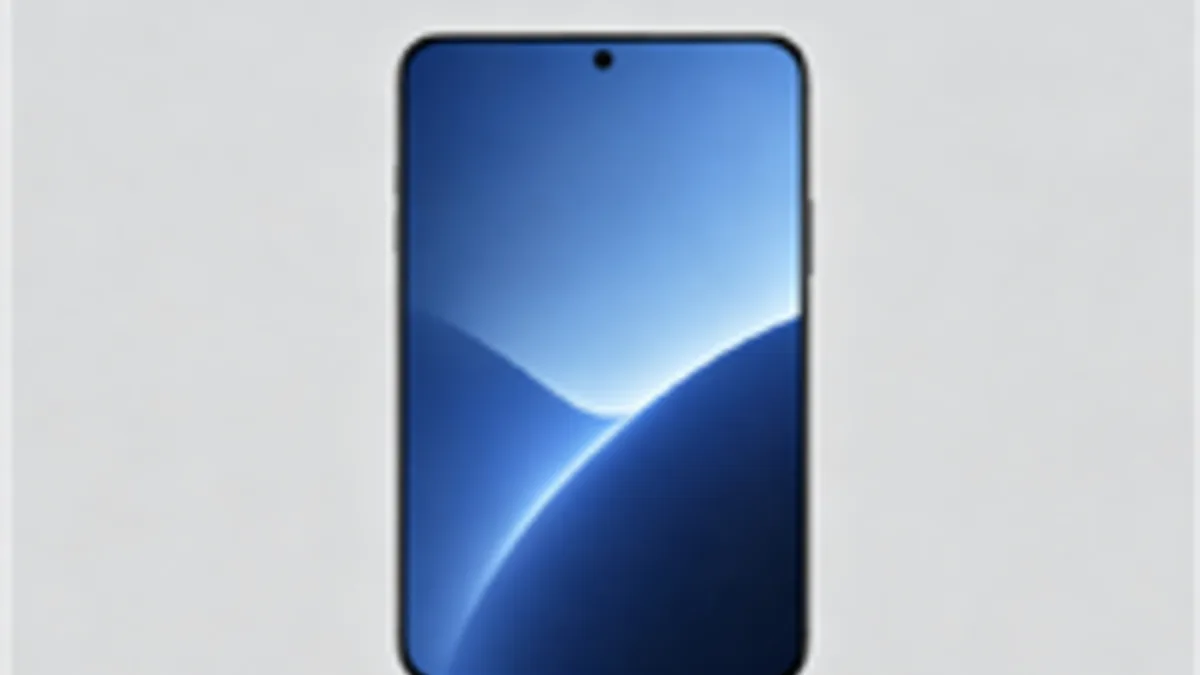
Huawei may be preparing one of the more unusual phone shapes of the year: a wider slab device rather than another foldable or standard flagship. The idea sounds simple, but it could change how the phone feels in daily use. A wider screen can make typing, reading, split-screen work, and camera previewing more comfortable, even if it makes one-handed handling harder.
The latest Chinese report makes the device more interesting because it does not describe width as the only trick. The phone is said to combine a large battery with a periscope-style camera setup, which would make it a practical media and photography device rather than a shape experiment. That matters because unusual phones need a clear purpose. Novelty alone rarely survives beyond the first review cycle.
A wider slab could also sit between two categories. It would not have the hinge complexity of a foldable, but it could offer more usable horizontal space than a tall narrow phone. For users who read documents, compare products, edit photos, or type long messages, that may be useful. The challenge is making the body comfortable enough to carry and hold.
MyDrivers reported that Huawei could release an industry-unique wide straight-screen phone by the end of the year, with a roughly 7,000mAh-class battery and a triple-camera setup including periscope zoom. The report frames the device as a rare shape in a market where most brands keep chasing thinner traditional slabs or foldables.
Huawei has been unusually willing to test form factors, and we already covered how a new Huawei form factor could stretch phone software expectations. This newer report adds more hardware detail to that idea. A large battery and camera-first setup would make the phone easier to explain to buyers who do not care about width for its own sake.
Battery size may become the strongest selling point. Chinese phone makers have been normalizing much larger cells, and buyers are noticing. If Huawei can deliver a wide display, strong battery life, and respectable camera hardware, the device could appeal to heavy users who treat their phone as a small tablet. It would also give Huawei a way to stand apart without needing another expensive folding screen.
The software question remains. A wider phone should make apps better, not just larger. Huawei would need keyboard tuning, split-screen behavior, camera UI adjustments, reading layouts, and gesture controls that take advantage of the shape. If the interface feels like a regular phone stretched sideways, the advantage disappears quickly. Good hardware would need equally deliberate software.
The leak is still unconfirmed, but it shows that the slab phone is not finished evolving. Brands have spent years making phones taller, thinner, and more similar. A wide Huawei phone with a large battery and periscope camera would push in a different direction. It may not become a mass-market template, but it could prove there is still room for practical experimentation outside the foldable race.
If Huawei ships it, the first reviews should focus on grip, keyboard comfort, camera handling, and battery endurance. Those details will decide whether the wider body feels useful or simply unusual.