Foldable phones are finally moving beyond the first question of whether they can survive. The harder question now is whether they feel natural enough to use every day. A new Oppo Find N7 Wide leak is interesting because it points to a phone that may treat width, camera placement, and crease control as practical choices rather than flashy talking points.
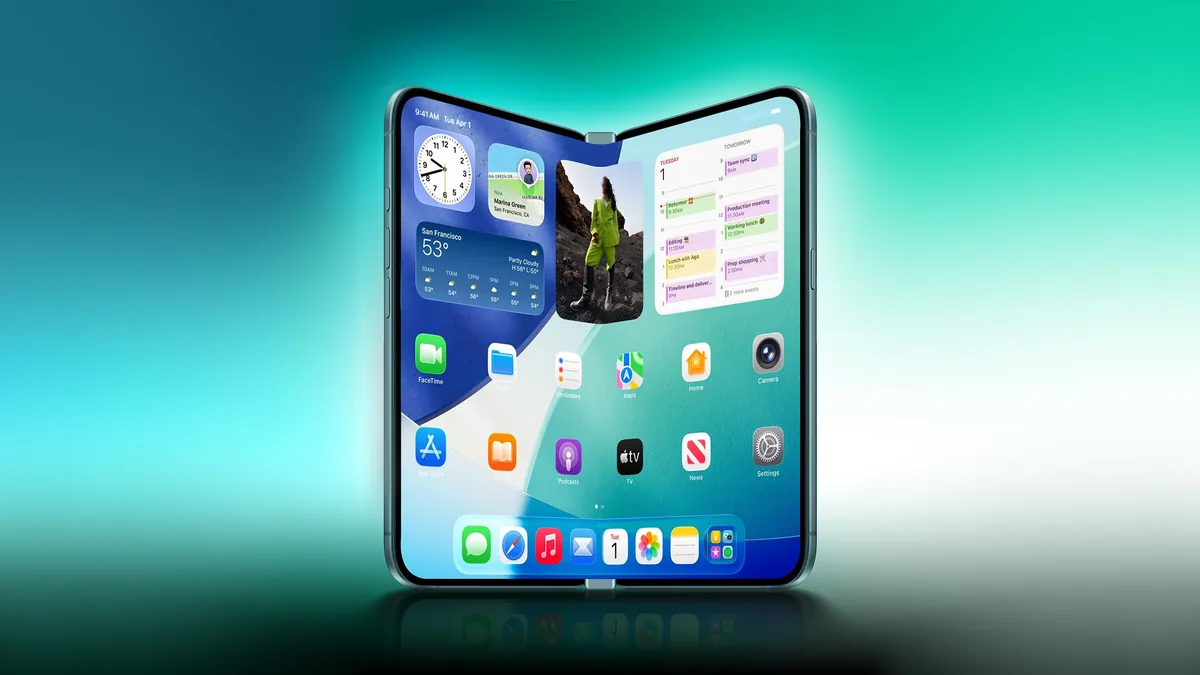
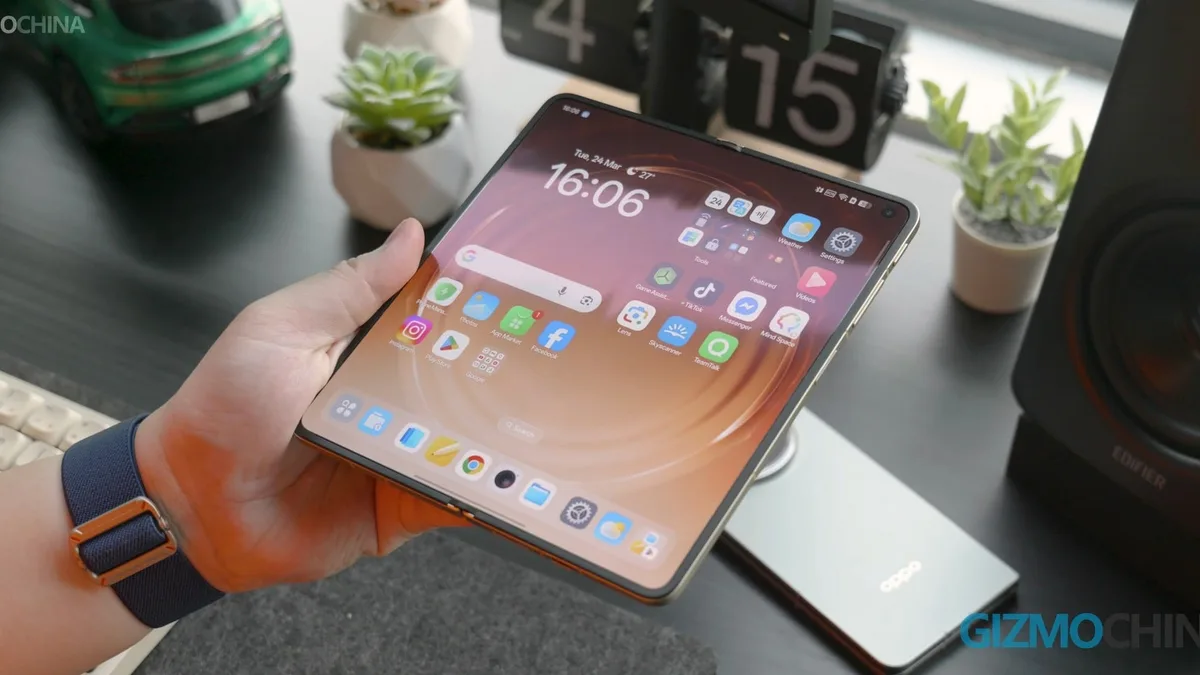
The report describes a wider book-style foldable with a horizontal camera design and a display that is meant to reduce the visible crease. That combination makes sense for Oppo. The company has already shown that it can build thin folding hardware, but the next step is making the open screen feel less like a compromised tablet and more like a compact workspace.
A wider outside screen would be just as important as the inner panel. Many foldable owners spend most of their day on the cover display, opening the device only for reading, maps, multitasking, video, and document work. If the cover screen feels cramped, the phone never becomes effortless. A wider format can fix that without forcing users to open the hinge for every small task.
Gizmochina connected the rumor to a broader premium foldable push. That fits with the direction we saw in our earlier look at an Oppo wide foldable leak, where the real point was not only launch timing but whether Oppo could make a Samsung rival that feels better in the hand.
The camera layout is more than cosmetic
A horizontal camera island can change the way a folding phone sits on a table, how it balances when opened, and how naturally it works for tent-mode video calls or rear-camera selfies. Camera bumps are often treated as visual branding, but on a foldable they also affect ergonomics. If Oppo is moving the module, it may be trying to make the device feel less top-heavy.
The crease claim is harder to judge before hardware appears. Every foldable maker talks about hinge refinements, display layers, and reduced crease visibility, but daily lighting conditions reveal the truth quickly. A crease does not need to vanish completely to be acceptable. It needs to stay out of the way while reading, typing, watching video, and editing photos.
Oppo also has to solve the durability story. A wider design can be more comfortable, but buyers still worry about repair costs, dust, and long-term hinge strength. The company will need a clear warranty message and practical software features that make the extra screen area worth the risk of buying a foldable instead of a normal flagship.
The leaked direction is promising because it sounds less like a concept phone and more like a usability correction. Wider cover screen, cleaner camera placement, and a less distracting main display are exactly the areas that make foldables feel mature. The Find N7 Wide may not need to be the thinnest or the most dramatic device in the category if it simply feels less awkward.
For now, the rumor should be treated as an early design signal. The final value will depend on weight, battery life, software continuity, and price. But if Oppo can make the wide format feel ordinary in the best way, the next foldable fight may be about comfort rather than novelty.