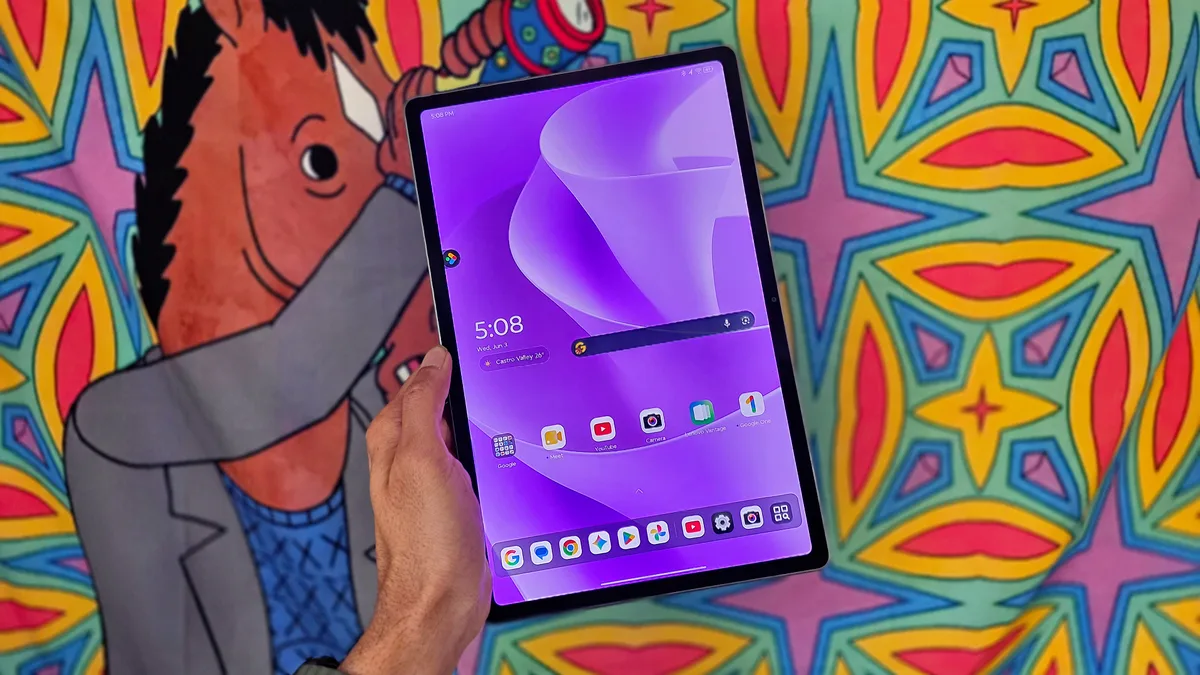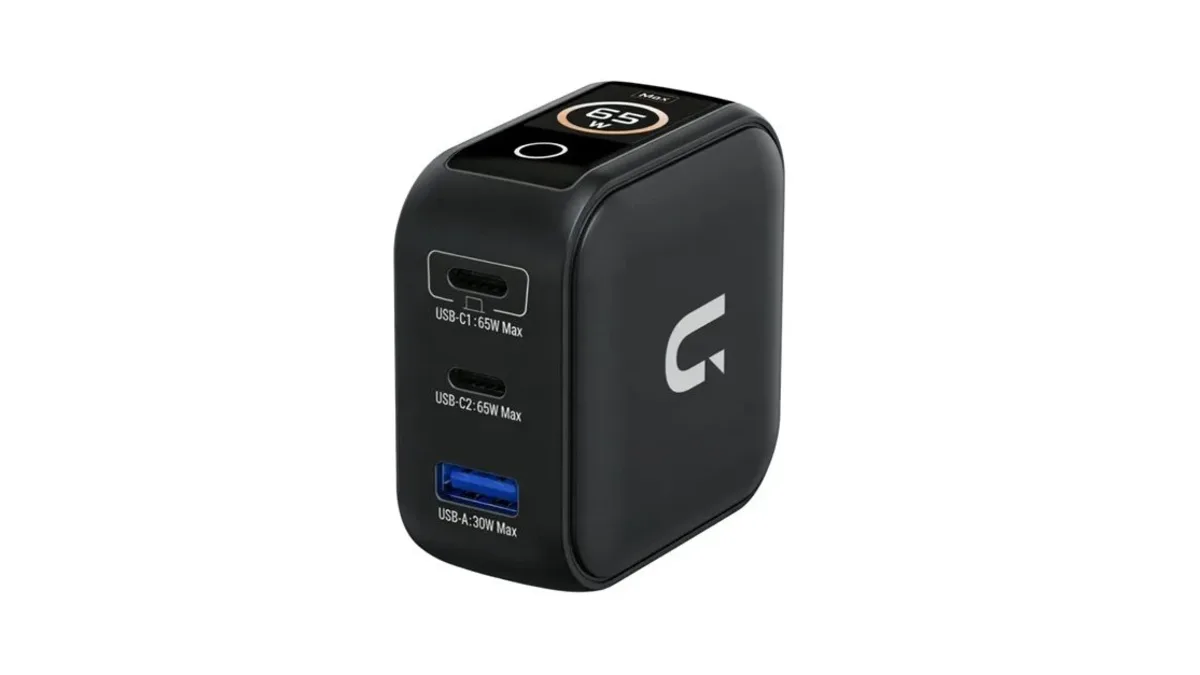
Red Magic's Gaming Tablet 5 Pro teaser is useful because it focuses on details that actually matter during long play sessions: ports, battery size, and charging speed. Gaming hardware often leans hard on processor names and display refresh rates, but the lived experience depends on whether the device can stay powered, connected, cool, and comfortable when the game runs longer than a benchmark.
Dual USB-C ports are more than a checklist feature for a gaming tablet. They can let players charge while using wired audio, attach accessories, output video, or keep the cable away from a hand grip depending on orientation. That kind of physical design choice can matter more than a small synthetic score difference, especially for people who use tablets as portable consoles.
The teaser also fits with our earlier coverage of Red Magic pushing display specs in mobile gaming. The brand is trying to own the enthusiast lane, where buyers pay attention to cooling, touch response, charging, and accessory support. A gaming tablet has to feel purpose-built, not merely like a large phone.
Gizmochina reported the teaser details, including dual USB-C ports, an 8300mAh battery, and 80W charging. Those numbers will still need real testing, but they show Red Magic understands where gaming tablets can win.
Battery capacity alone does not guarantee endurance. A high-refresh display, flagship chip, active cooling, and cellular or Wi-Fi load can drain a tablet quickly. The real question is whether Red Magic can tune performance modes so users get a predictable experience instead of wild swings between peak power and throttling. Enthusiast buyers notice that behavior fast.
The gaming tablet category remains smaller than gaming phones or handheld PCs, but it has a clear opening. Some players want a larger Android screen without carrying a Windows handheld. Others want streaming, emulation, cloud gaming, and native mobile titles in one device. If Red Magic gets the fundamentals right, the Tablet 5 Pro could make that niche look more serious.
Gaming tablets are easy to overpromise because big displays make every teaser look powerful. The harder work happens inside the chassis. Sustained frame rates, hand comfort, heat spread, speaker placement, touch response, and charging while playing decide whether a tablet feels made for games or merely capable of opening them.
Red Magic has an audience that understands those details, which is why cooling and ports can be a real hook. A second USB-C port, better airflow, or a less awkward landscape layout can matter more than a small benchmark gain. Mobile players who stream, capture footage, or use controllers quickly notice whether the hardware was designed around their setup.
The risk is that a gaming tablet sits between two strong alternatives: a phone that is always with you and a handheld console with physical controls. Red Magic has to justify the middle ground with a screen, thermal system, and accessory story that make long sessions feel natural. The teaser suggests that is where the fight will be.
Software support will be just as important as the hardware layout. Gaming tablets need performance modes that users understand, update schedules that do not break titles, and controls for streamers who jump between chat, capture, and gameplay. If Red Magic treats the tablet as a complete play station instead of a stretched phone, the device has a better chance of finding a loyal niche.