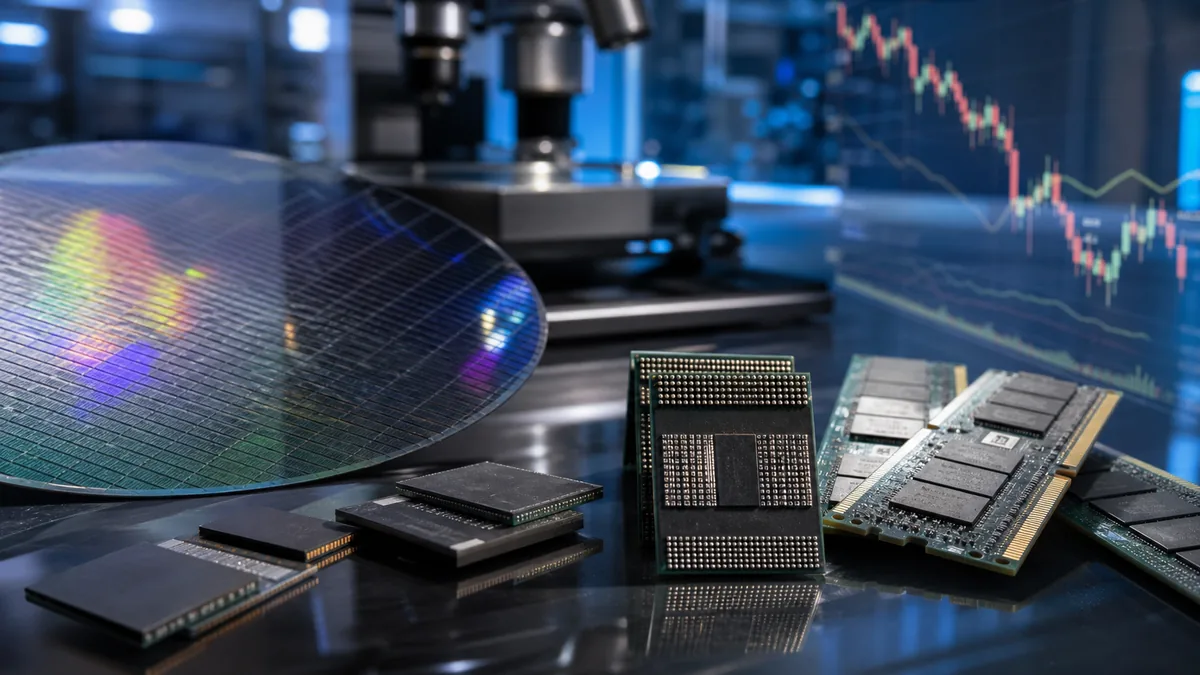
A memory-chip rumor that sends markets into a quick swing says something important about the AI supply chain. Investors have learned that compute is not only about GPUs. High-bandwidth memory, DRAM pricing, packaging capacity, and export data can all change expectations for AI infrastructure. When one piece of that chain moves, related stocks can react before anyone has a full picture.
Memory used to be treated as a cyclical commodity story by many casual tech watchers. AI has changed that. HBM sits next to accelerators in the performance conversation, and ordinary DRAM demand can be affected by servers, phones, PCs, and data centers all at once. A rumor about supply, pricing, or customer demand can therefore become a proxy for how strong the AI buildout really is.
That sensitivity has been building all year. We previously wrote about the AI memory boom and HBM strategy, and the key point remains: memory is no longer a background component in the AI economy. It is one of the bottlenecks that determines how fast and how profitably new model infrastructure can scale.
证券时报 reports that a rumor caused a roller-coaster move in indexes, with major storage-chip names falling while South Korea's June semiconductor exports surged nearly 200%. That combination captures the current tension: hard export data can look strong while rumor-driven trading still creates short-term fear.
The market is reacting to two different timelines. Export data shows what has already shipped. Rumors often point to what traders think may happen next: inventory changes, pricing pressure, customer order shifts, or policy risk. When AI demand is strong but valuations are high, even a thin rumor can trigger selling because investors know the sector has little room for disappointment.
Companies in the memory chain now have to communicate more clearly. They cannot reveal every customer order, but they can help investors understand capacity plans, mix changes, and exposure to AI server demand. Without that context, markets will fill the gap with speculation. The same opacity that once protected suppliers can also make their stocks more volatile.
For device makers, memory volatility can eventually affect pricing. Phones, laptops, servers, and AI appliances all compete for advanced memory supply in different ways. If AI infrastructure keeps absorbing premium memory, consumer devices may face cost pressure or more careful configuration choices. A rumor in the chip market can become a product-price issue months later.
The reported whipsaw is not just a trading story. It shows how AI has turned the semiconductor supply chain into a real-time sentiment engine. GPUs may get the headlines, but memory is now part of the same narrative. Until supply becomes easier and demand signals become clearer, memory-chip rumors will keep moving faster than the products they eventually affect.
The result is a market where technical details travel quickly into financial narratives. A capacity rumor, an export figure, or a packaging constraint can change how investors value companies far from the factory floor. AI has made semiconductor literacy more valuable because the supply chain is now tied directly to expectations for model growth.