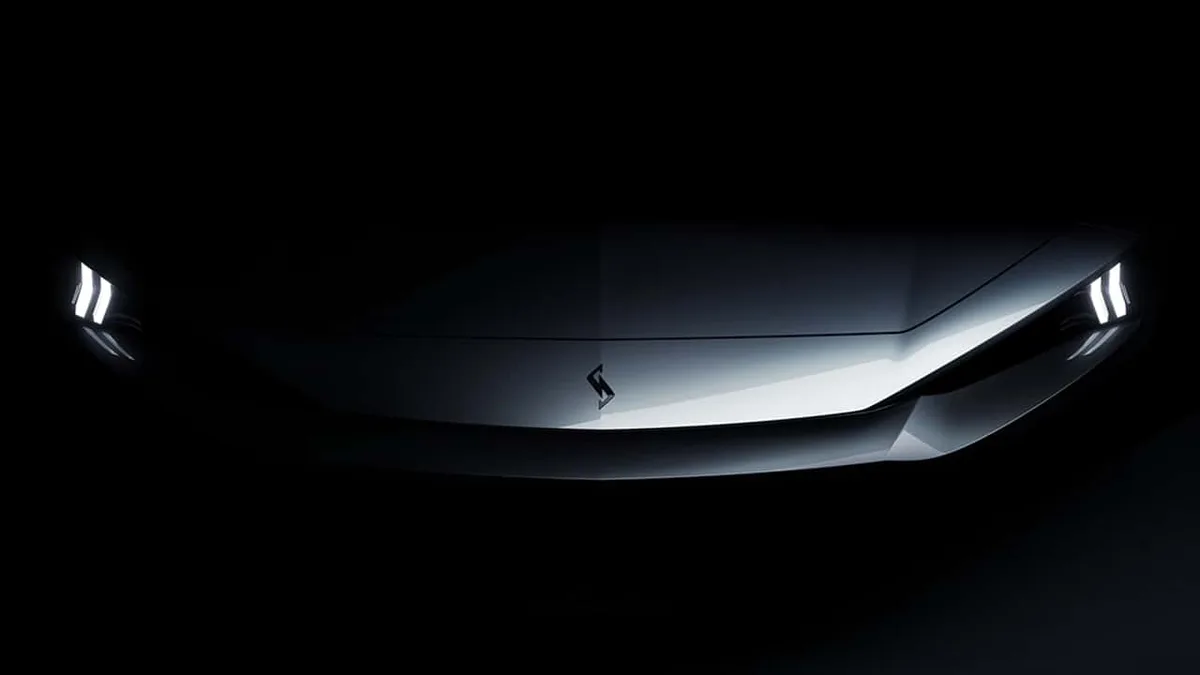
The Nissan Skyline name still carries weight, especially among buyers who remember when Japanese performance sedans felt distinct from European rivals. A report that the new Skyline is coming sooner than expected gives Nissan a chance to restore some of that personality. The key is that this cannot be just another badge revival. It has to feel like a car with a reason to exist.
A rear-wheel-drive sports sedan is an interesting choice in 2026. The market has moved toward SUVs, crossovers, and EVs, but there is still room for sedans that offer balance, steering feel, and everyday usability. The success of the new Skyline will depend on whether Nissan can make it feel modern without sanding away the character that made the name worth reviving.
The reported 26-month development timeline is also notable. That is fast, and it suggests Nissan may be trying to move quickly while enthusiasm around Japanese performance cars remains high. Speed can be useful, but it also creates pressure. A rushed Skyline would damage trust. A focused one could remind buyers that Nissan still knows how to build exciting driver-oriented cars.
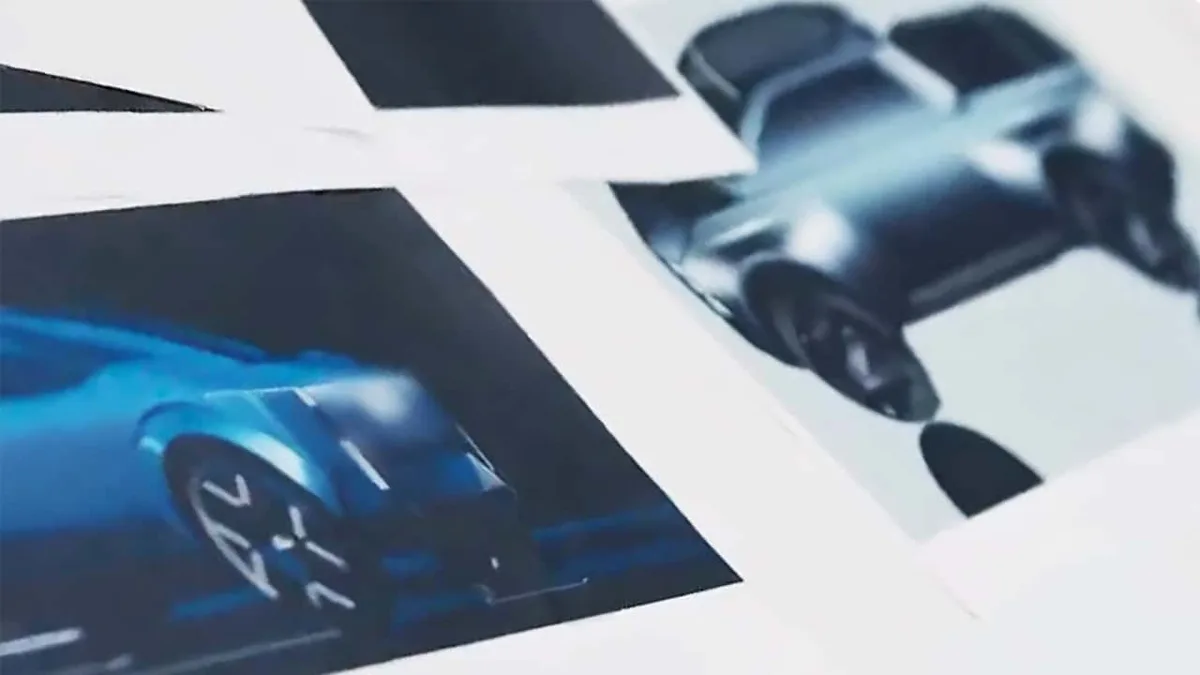
Motor1 reported that the new Nissan Skyline is expected to debut in winter 2026 and that the rear-wheel-drive sports sedan was developed in just 26 months. Those two details make the car feel closer and more concrete than the usual long-range product rumor.
The Skyline story sits beside the broader performance-car tension seen in our Chevy Camaro four-door V8 rumor coverage. Brands are trying to keep emotional nameplates alive while buyer behavior changes. Some will use extra doors, some will use electrification, and some will return to classic rear-drive formulas.
Nissan needs the Skyline to avoid nostalgia traps. A famous badge can attract attention, but it cannot carry a weak product. The car needs the right stance, powertrain, chassis tuning, interior quality, and technology balance. It also needs a clear position relative to the Z, GT-R legacy, and Nissan's electrified future. Too much overlap could confuse the lineup.
Powertrain details will be watched closely. A gasoline engine would please traditionalists, while hybrid assistance could help performance and efficiency. A full EV Skyline would be bold but risky if it made the car heavy or disconnected. Nissan has to decide whether the Skyline should be a bridge to the future or a last stand for a familiar sports-sedan formula.
The winter 2026 timing gives Nissan a real opportunity. The sedan market is smaller, but the buyers still in it are often passionate. If Nissan can build a Skyline that feels sharp, usable, and authentic, the car could become more than a revival. It could become proof that the company has not forgotten how to make drivers care.
The most encouraging part of the rumor is that Nissan appears to understand timing. Interest in Japanese performance cars is strong, but patience is not unlimited. Buyers have watched too many iconic names return as crossovers, limited editions, or expensive halo products with little connection to the original spirit. A proper Skyline sedan could feel refreshing because it would offer daily usability and driver focus in one package. Nissan has the badge recognition already; what it needs now is a car that makes the badge feel earned again.