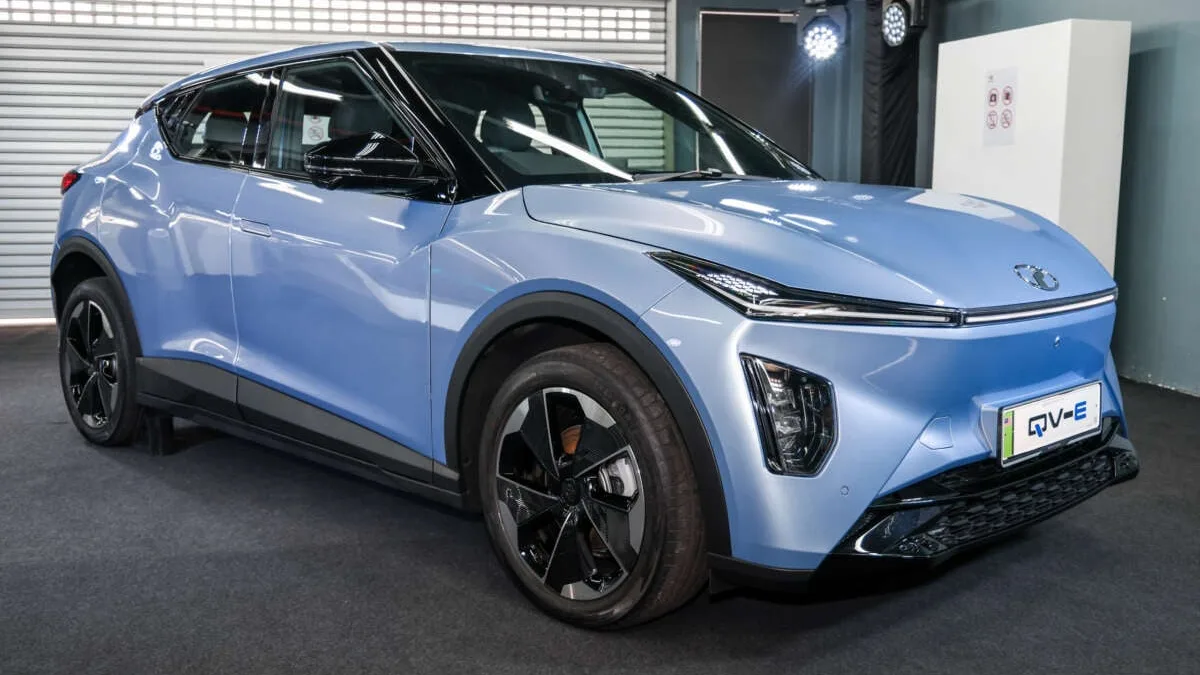
Perodua lowering the QV-E's price is a meaningful moment for Malaysia's EV market because it attacks the problem from two sides. The company is reducing the entry point through battery leasing, while still offering an outright purchase option for buyers who want full ownership. That flexibility matters in a market where EV curiosity is growing but price sensitivity remains high.
Battery-as-a-service can be controversial because it separates the car from one of its most expensive components. Some buyers like the lower purchase price and the possibility of battery support. Others dislike the idea of a monthly battery commitment. Perodua's challenge is to make the model feel transparent rather than complicated.
The revised numbers give buyers a clearer choice. A lower price with battery leasing can attract first-time EV shoppers who would otherwise stay with petrol cars. The outright price keeps the door open for people who prefer a more conventional ownership structure. That is smart because EV adoption is not only about technology. It is about financial comfort.
Paul Tan reported that Perodua has revised QV-E pricing to RM63,499 with BaaS battery leasing and RM87,499 for outright purchase after a major localisation shift improved efficiency. That localisation detail matters because local content can be one of the strongest ways to make EVs cheaper in emerging markets.
The QV-E story connects with our earlier coverage of the Maxus eTerron 9 EV pickup debut in Malaysia. Malaysia's EV market is expanding at both ends: lifestyle and commercial vehicles at the top, and more accessible local products at the entry end. Perodua's role is especially important because it understands mainstream Malaysian buyers better than most brands.
The leasing model will need clear communication. Buyers must understand what happens if battery performance drops, how long the lease lasts, whether fees change, what resale looks like, and how warranty claims are handled. If those answers are simple, BaaS can reduce fear. If they are vague, the lower sticker price may not be enough.
Charging access is another factor. An affordable EV only works if owners can charge conveniently. Perodua can help by pairing the QV-E with home-charging guidance, public charging partnerships, and realistic range messaging. Entry-level EV buyers are often less tolerant of surprises because they are already stretching budgets.
The QV-E price cut is therefore more than a discount. It is a test of whether battery leasing can make EVs feel accessible in Malaysia without creating ownership anxiety. If Perodua gets the formula right, it could become a template for other local-market EVs across Southeast Asia.
Perodua also has an advantage that many imported EV brands lack: trust with value-conscious buyers. If a new ownership model comes from a familiar local name, customers may be more willing to listen. That trust should not be taken for granted. The company will need clear service processes, predictable monthly costs, and honest communication about long-term battery responsibilities. A low advertised price can start the conversation, but confidence will close the sale. For Malaysia, that may be the real breakthrough hidden inside the QV-E pricing change.