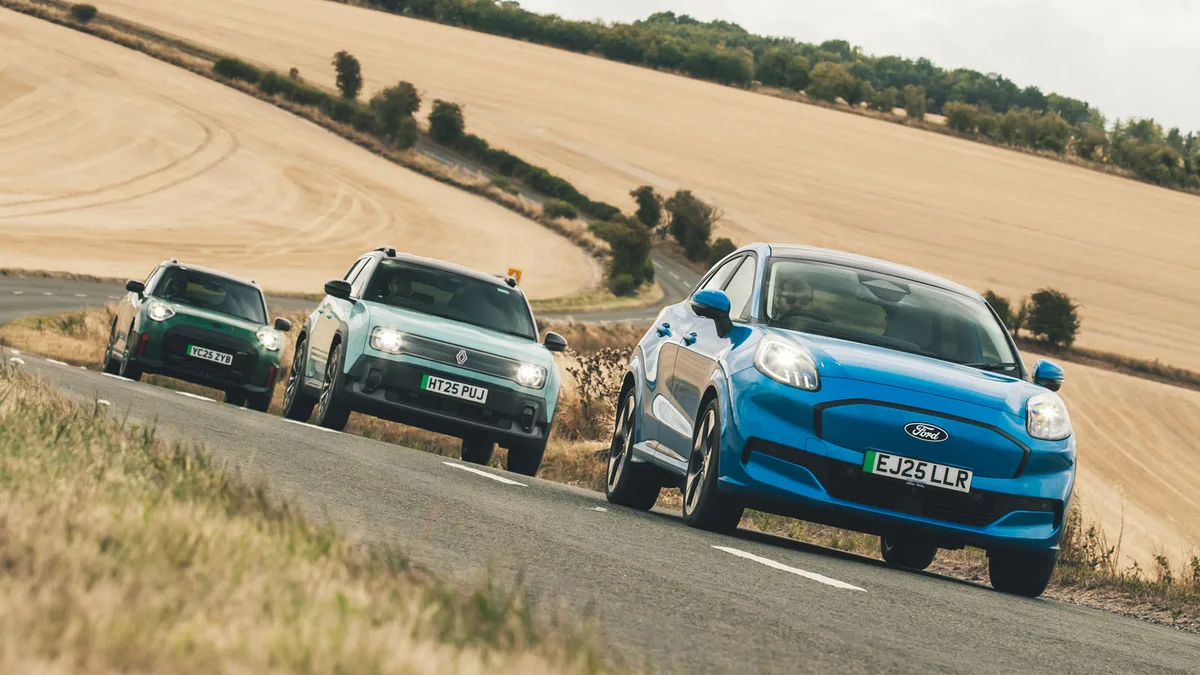
Range-extender EVs are returning to the conversation because the market is no longer as simple as early EV optimism suggested. For a while, the industry treated range-extenders as a temporary oddity. BMW used the idea on the i3, then moved on. Now Ford and Renault reportedly see value in bringing the concept back, and the timing makes sense.
A range-extender EV is not a traditional hybrid. The main drive experience is electric, while a small engine can generate electricity when the battery runs low. That setup can give buyers the smoothness and everyday efficiency of an EV without the same fear of being stranded when charging is unavailable, broken, or inconvenient. It is not perfect, but it answers a real adoption barrier.
The return of the idea says something about mainstream buyers. Many people like the feel of EVs but are not ready to plan every long trip around charging stops. Others live in apartments, rural areas, or regions where public charging remains uneven. A range-extender gives them a psychological backup, and sometimes that is enough to make the purchase feel safe.
Carscoops reported that Ford and Renault want to revive range-extender EVs after BMW moved away from the concept. The report frames the technology as increasingly relevant to Europe's electric future, where regulation is pushing EV adoption but consumer confidence remains uneven.
The story pairs naturally with the UK policy debate in our UK ZEV mandate softening report. Governments can set targets, but buyers still need products that fit daily life. Range-extenders may become one of the compromise formats that help brands meet regulation without asking every household to jump directly into a pure EV.
There are drawbacks. A range-extender carries engine complexity, emissions equipment, fuel-system maintenance, and battery weight. It can become expensive if the engineering is not disciplined. It also risks confusing buyers if brands explain it poorly. The car has to be sold as an electric-first vehicle with backup generation, not as a vague hybrid with extra marketing.
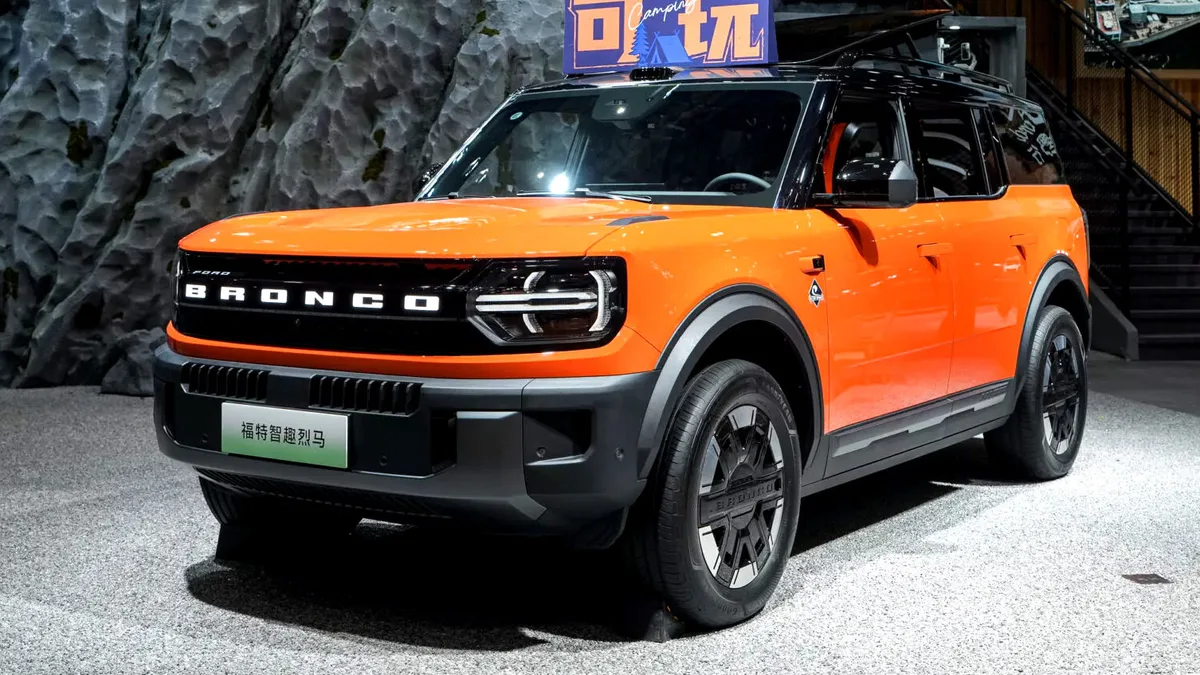
Ford and Renault have different reasons to care. Ford wants affordable electrified trucks and utility vehicles that can work in markets where charging infrastructure varies. Renault wants flexible European products that can meet regulatory pressure without losing buyers to Chinese PHEVs and EVs. Both companies need answers between pure combustion and pure battery-electric models.
The comeback of range-extenders is not a retreat from EVs. It is an admission that the transition needs more than one tool. If the technology is used honestly and priced well, it could help nervous buyers experience electric driving most of the time while keeping enough freedom for the trips that still make them hesitate.
The best versions of this idea will be judged by how little the engine intrudes. If a driver feels the car is mostly electric, charges it regularly, and only hears the generator on unusual trips, the range-extender has done its job. If it runs constantly or delivers poor fuel economy when the battery is low, buyers will question the compromise. Ford and Renault therefore need careful calibration, simple messaging, and realistic range claims. The technology can work, but only when it is engineered around real habits rather than brochure theory.