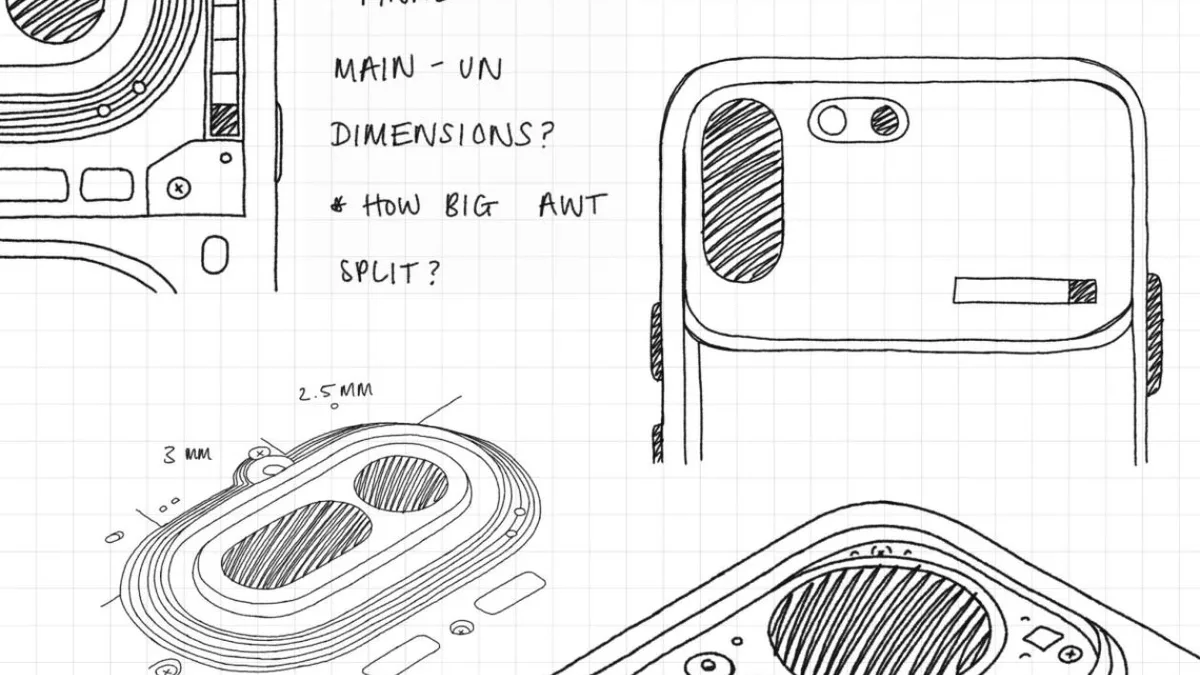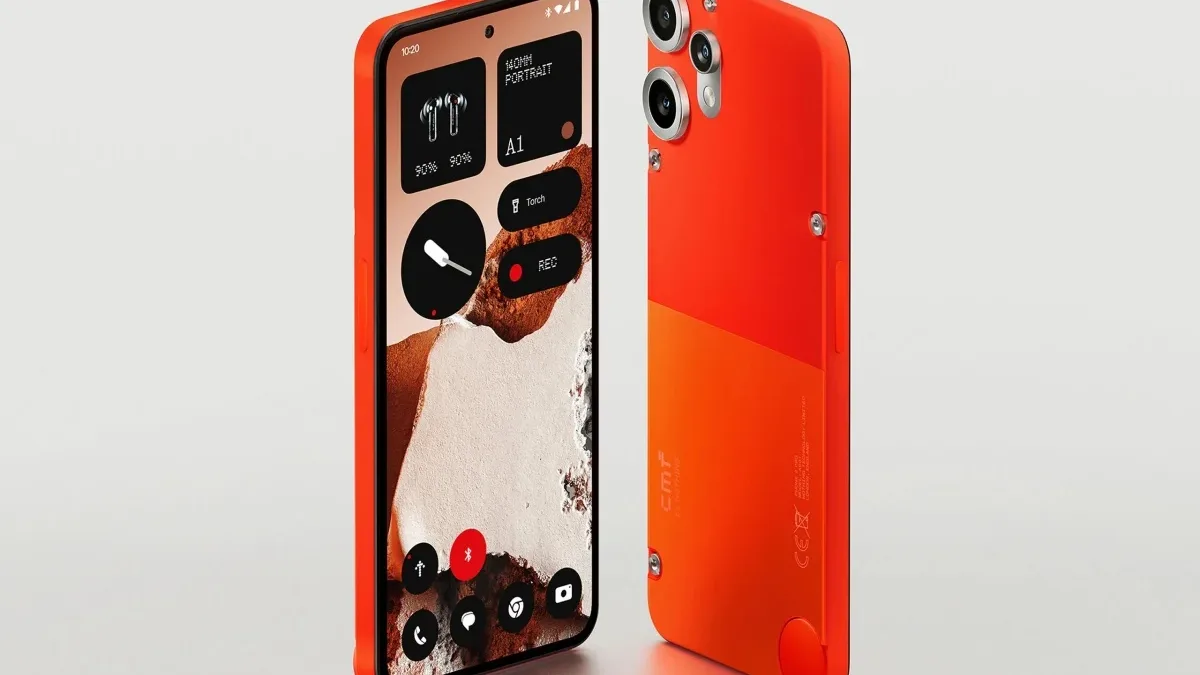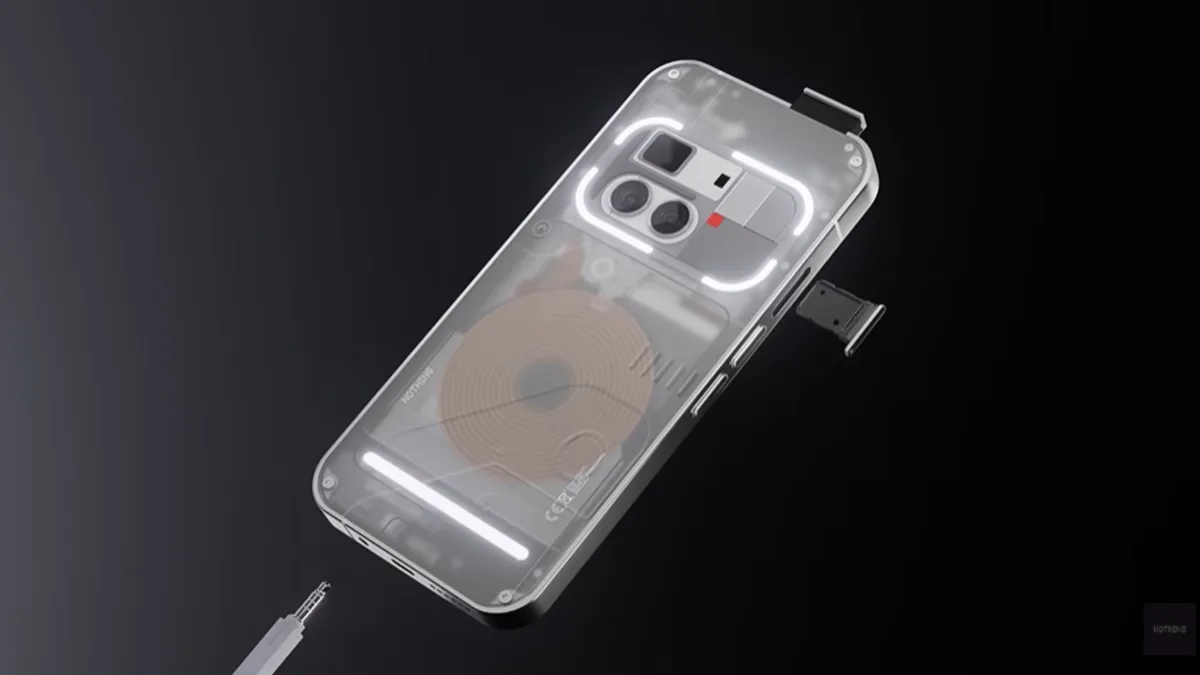
The Nothing community dream phone concept lands because it speaks to a frustration that never really disappeared: many Android buyers still want a compact phone that feels ambitious. The market keeps treating small phones as a niche, yet every year a fresh concept, rumor, or failed product revives the same argument. People want pockets back, but they do not want weak batteries, dull cameras, or stripped-down internals as the price of a smaller screen.
Nothing is a useful brand for this conversation because its audience already cares about design language. A compact dream phone from that community is not only a request for smaller dimensions. It is a request for a device with personality, clean software, strong materials, and a layout that feels intentional rather than miniaturized in a hurry.
The challenge is obvious. Small phones have less internal room for battery, thermal management, speakers, antennas, and camera modules. Modern flagship cameras are physically large, and buyers now expect all-day endurance. A compact phone that solves those constraints costs real engineering money, but the sales volume may not be as comfortable as a mainstream large-screen model.
The concept was covered by Gizmochina, and it connects naturally with Nothing's recent push toward wider retail visibility. Our earlier note on Nothing's US Best Buy launch showed why distribution matters if a design-led brand wants to be taken seriously outside enthusiast circles.
Small Cannot Mean Second Class
The compact-phone wish list is usually consistent. Buyers ask for a bright display, a fast chip, clean haptics, a good main camera, solid battery life, wireless charging, and software support in a body that can be used one-handed. They are not asking for a cheap phone. They are asking for a premium phone that respects ergonomics.
That is where Nothing could have an interesting angle if it ever chose to build something similar. The company does not need to compete only on raw camera hardware or maximum screen size. It can sell taste, software restraint, and a distinctive industrial design. A compact model could strengthen that identity if the compromises were handled honestly.
Still, a community concept is not a product plan. It may be a signal, a brand exercise, or a way to measure demand. Manufacturers pay attention to reaction, but they also need supply chain confidence, carrier relationships, and component choices that make the business case work.
The reason the concept is worth discussing is that it captures a market gap plainly. Android has plenty of giant performance phones and plenty of mid-range slabs. It has fewer compact devices that feel like first-choice flagships. Whether Nothing builds one or not, the response shows the wish list remains alive, specific, and louder than companies sometimes assume.
A real version would need discipline. Nothing would have to resist the temptation to make the phone small only on paper while letting the camera bump, case width, or weight creep upward. The appeal of a compact flagship is physical honesty. It should feel easy to grip without a case, comfortable on a call, and balanced enough that the design choice is felt every time it leaves a pocket.