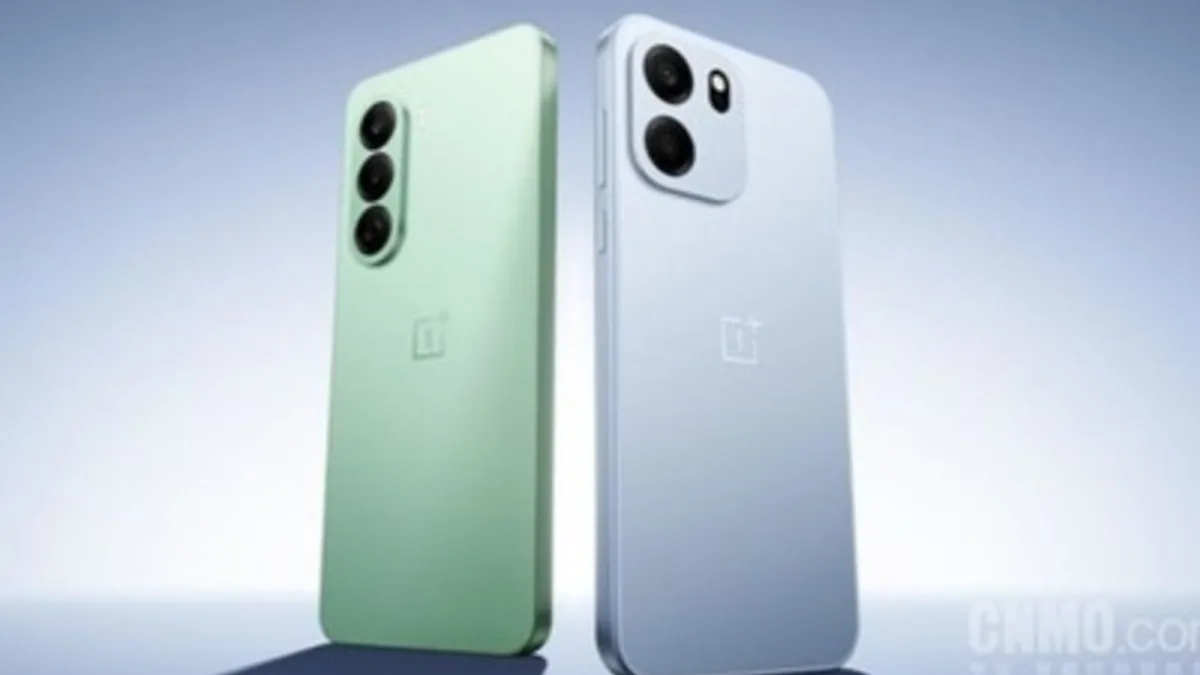
OnePlus has spent years trying to balance two identities in India. It wants to remain a premium Android brand, but it also needs volume in the price bands where Redmi, Realme, Poco, iQOO, and Motorola move quickly. A leaked N Series would make sense because the Nord name has already stretched across too many expectations.
If OnePlus brings a cheaper line below the Nord CE range, the company can separate its entry strategy from its mid-range strategy. That matters because buyers under Rs 20,000 often care less about brand storytelling and more about battery size, display smoothness, service support, and whether the phone feels fast after a year. A dedicated lower-cost series could make that pitch clearer.
The risk is brand dilution. OnePlus cannot simply rebadge low-end hardware and expect goodwill to carry the launch. Its cheaper phones still need a recognizable reason to exist, whether that is clean software, reliable charging, long battery life, or better everyday performance than the usual budget rivals.
Techlusive reported that tipster Yogesh Brar expects OnePlus to launch a new N Series in India in July 2026, with some models potentially priced under Rs 20,000. The report positions the line below the Nord CE 6 Lite, which starts at Rs 20,999.
Why the price band matters
The sub-Rs 20,000 market in India is unforgiving. Brands compete on battery size, charging speed, display refresh rate, chipset choice, storage, and sale-day discounts. OnePlus will not be entering a quiet space. It will be entering a market where rival phones regularly advertise huge batteries, high refresh displays, large RAM numbers, and aggressive online pricing.
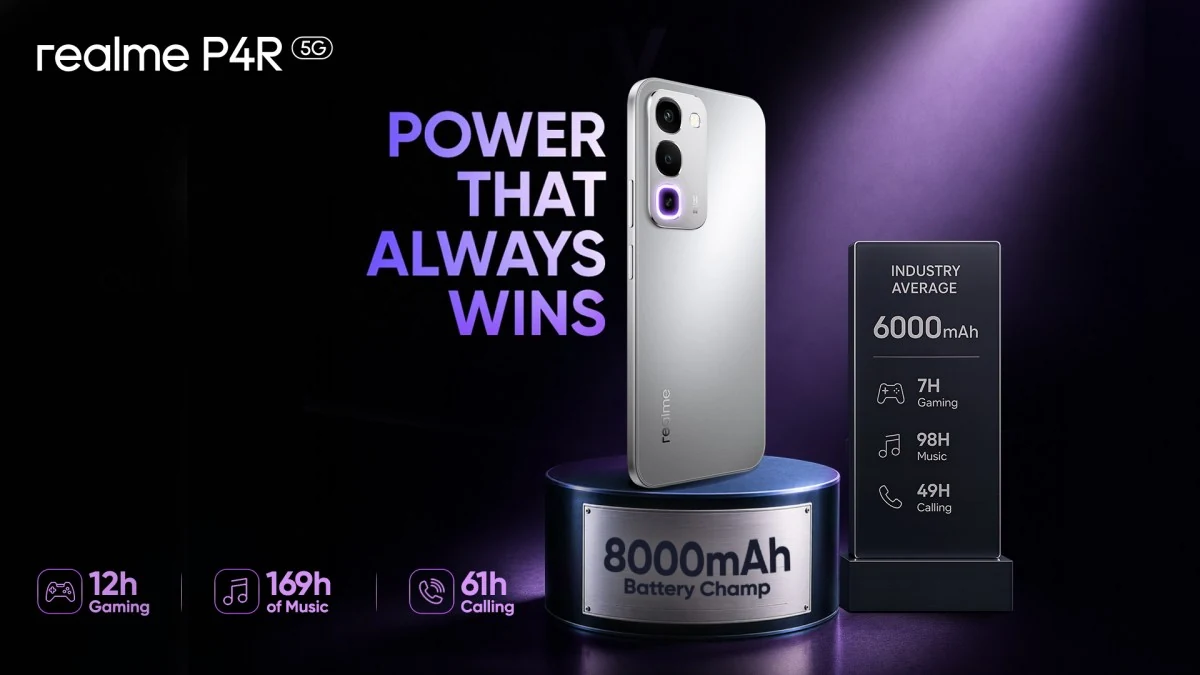
That is why the new leak sits naturally next to our earlier Redmi Turbo 5 India launch analysis. Battery pressure is rising across the mid-range and budget segments. A OnePlus N Series phone with ordinary endurance would look weak before reviews even begin.
Software could be the easier win. Many budget buyers accept heavy skins because the hardware value is strong. OnePlus can offer a cleaner interface, smoother animations, and better update messaging if it chooses to protect that part of the brand. The problem is that software polish costs engineering time, and cheap phones are usually built around tight margins.
The camera story should be handled carefully too. OnePlus does not need a budget camera miracle, but it should avoid decorative sensors and confusing marketing. A good main camera, dependable image processing, and honest low-light performance would matter more than a crowded camera island.
If the N Series is real, July could show whether OnePlus wants to fight the budget market seriously or simply place another logo in the segment. The difference will be visible in the choices buyers notice every day: battery, performance, updates, display quality, and repair confidence.
Distribution will matter almost as much as the hardware. A cheaper OnePlus phone has to be easy to buy, easy to service, and easy to compare against sale-priced rivals. If the company keeps the launch online-only and depends on flash pricing, the N Series may feel like another temporary campaign. If it backs the line with clear availability and repair support, it could become a real entry point into the OnePlus ecosystem.