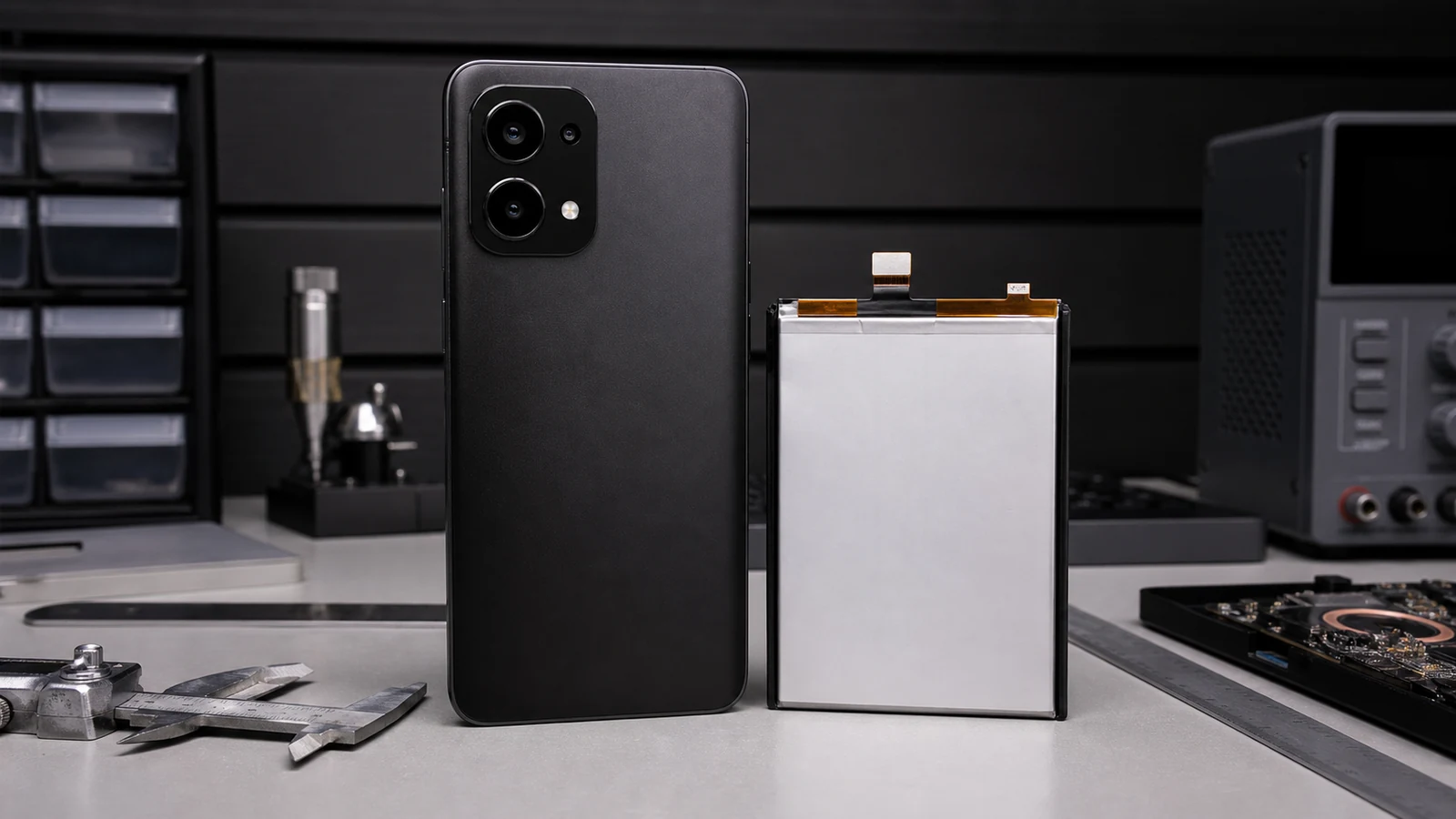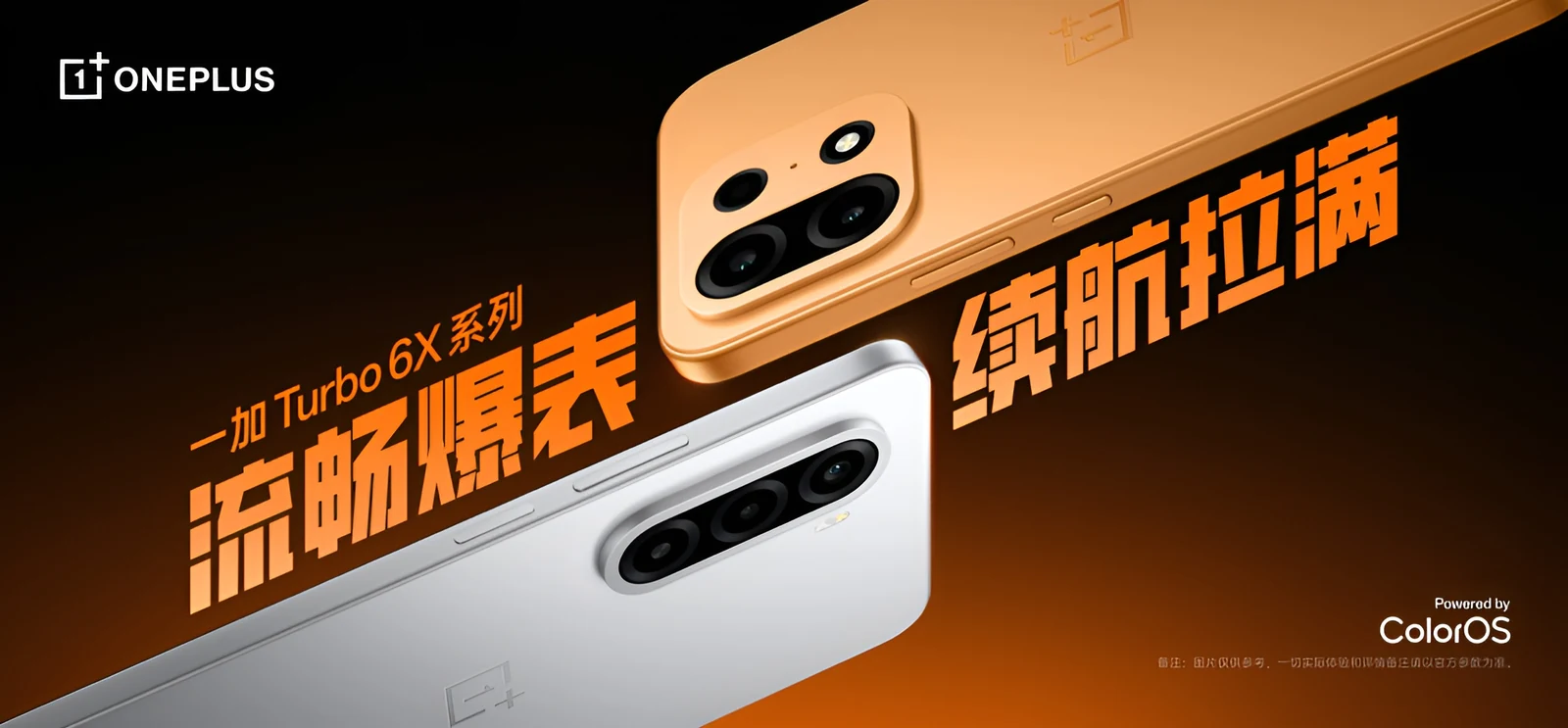
The OnePlus Turbo 6x Pro is another sign that large batteries are becoming a mainstream weapon in performance phones. For years, brands competed hardest on charging wattage, thin frames, and peak chipset numbers. Now battery capacity is moving back to the front of the pitch, especially in markets where buyers want gaming endurance and all-day use without paying flagship prices.
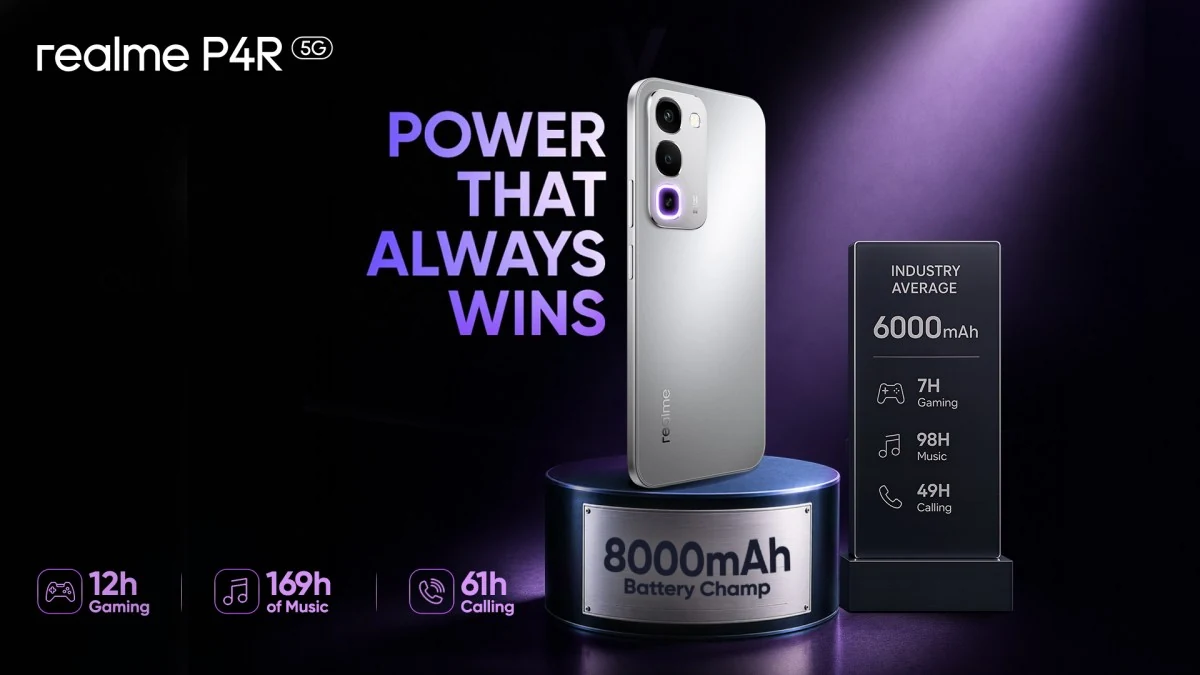
An 8,000mAh battery changes expectations. It suggests a phone can handle long video sessions, travel days, mobile games, hotspot use, and heavy messaging without forcing users to plan around a charger. That does not mean endurance is automatic, because screen brightness, chip efficiency, and software tuning still matter. But the capacity gives OnePlus a strong marketing and practical advantage.
The Turbo 6x Pro also pairs that battery story with a 144Hz OLED display. That combination is important because high refresh panels consume power when used aggressively. A large pack lets the phone offer smooth visuals without making buyers feel punished for turning the feature on.
Smartprix reported that OnePlus launched the Turbo 6x and Turbo 6x Pro in China, with the Pro model featuring an 8,000mAh battery and a 144Hz OLED screen at a price just under 2,000 yuan. The standard Turbo 6x uses an LCD approach.
The battery race is changing
Battery size has become a cleaner selling point than many camera or AI claims. Everyone understands longer endurance. A buyer may not know the difference between two image processors, but they understand a phone lasting through a long day. That is why brands are pushing bigger cells into price bands that previously settled for 5,000mAh.
The launch builds on the same direction we covered in our OnePlus 10000mAh phone leak analysis. Even if every rumor does not become a global product, the trend is clear. Battery life is returning as a top-level differentiator, not just a spec hidden below the display and camera.
There are tradeoffs. Larger batteries can make phones heavier and thicker. They can also complicate heat management during gaming and fast charging. OnePlus has to make sure the Turbo 6x Pro does not feel like a power bank with a screen. The balance between endurance, grip, weight, and thermal comfort will decide how impressive the phone feels in real use.
The China-first launch also raises the usual question of global availability. OnePlus often changes names, specs, or positioning across markets, so the Turbo 6x Pro may not appear everywhere in the same form. Still, Chinese launches often preview hardware priorities that later spread through related models.
If OnePlus can bring this battery-first formula to wider markets without bloating the device or weakening software support, budget performance phones could become much harder for premium mid-rangers to justify. The Turbo 6x Pro is not only a launch. It is a sign that endurance is becoming a fight again.
OnePlus also needs to protect the charging experience from becoming confusing. A huge battery sounds great, but buyers will still ask how long a full top-up takes, whether the charger is included, how warm the phone gets, and how battery health is protected after hundreds of cycles. The best version of this trend is not simply bigger cells. It is bigger cells managed intelligently.