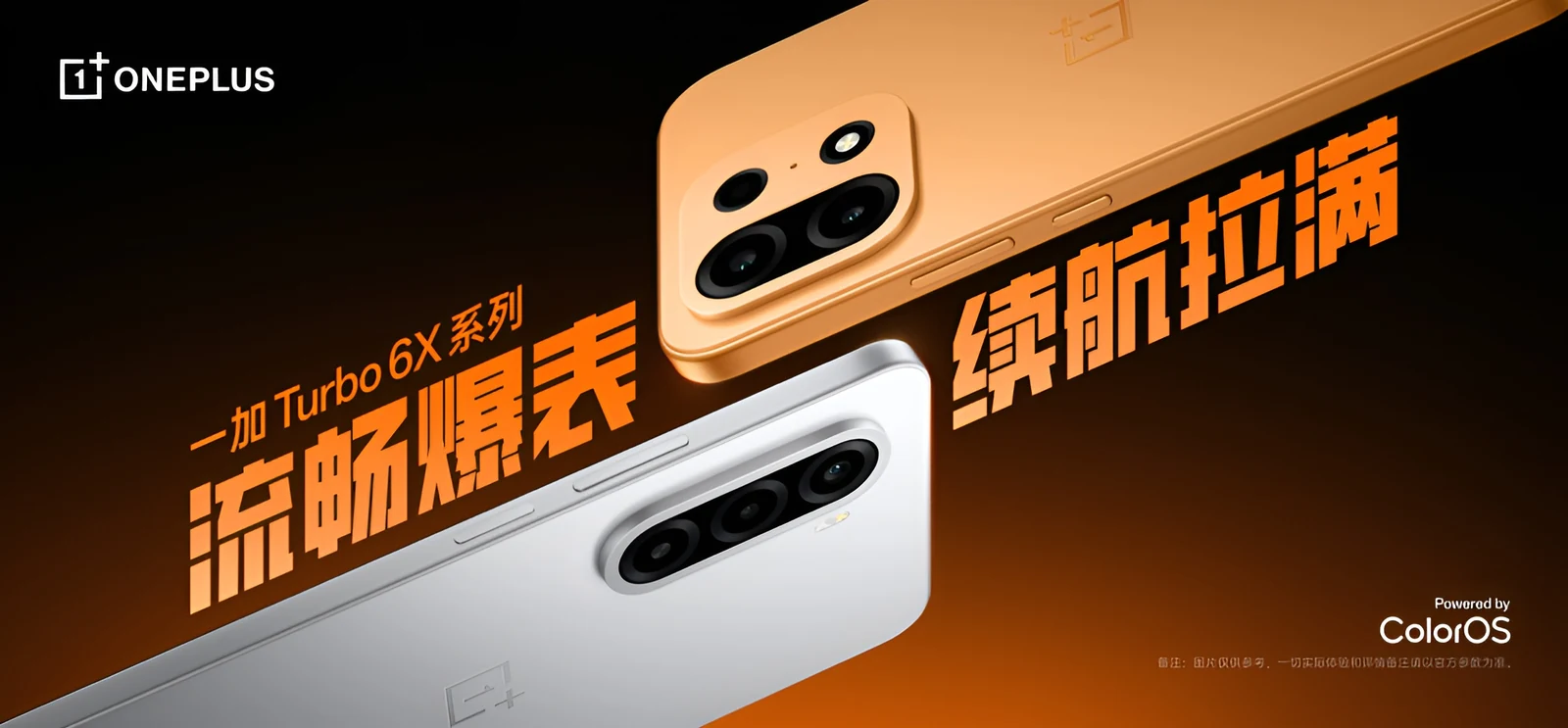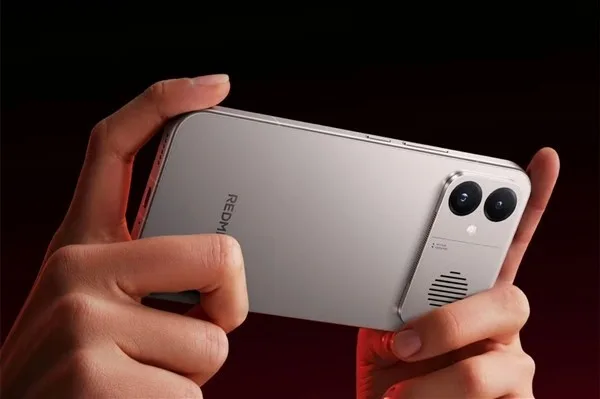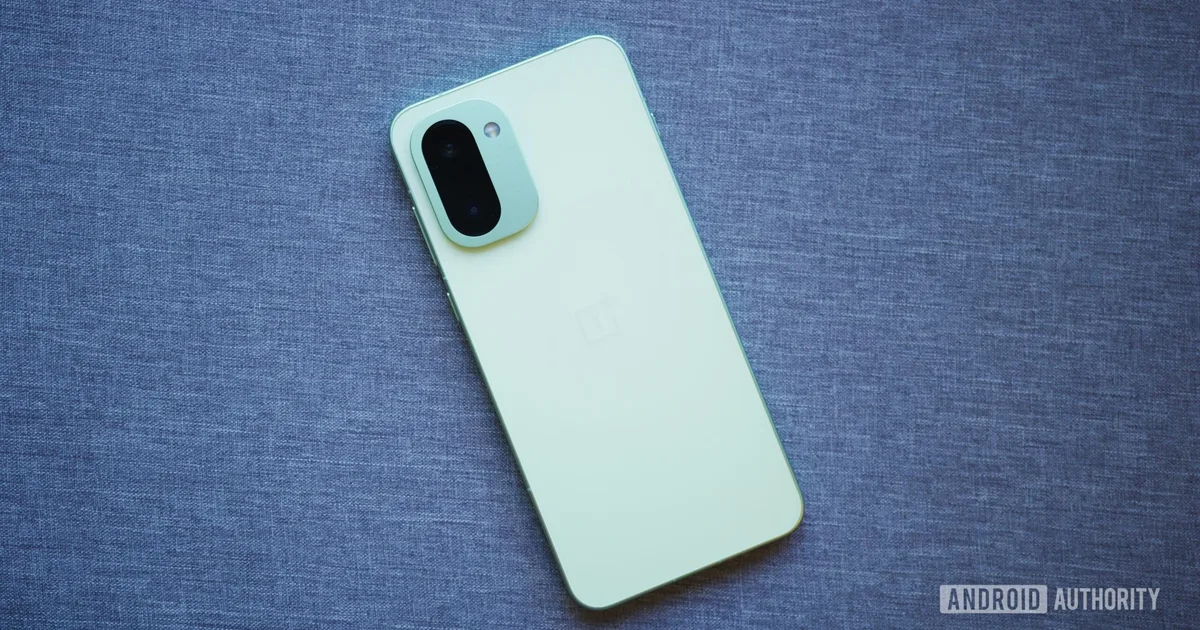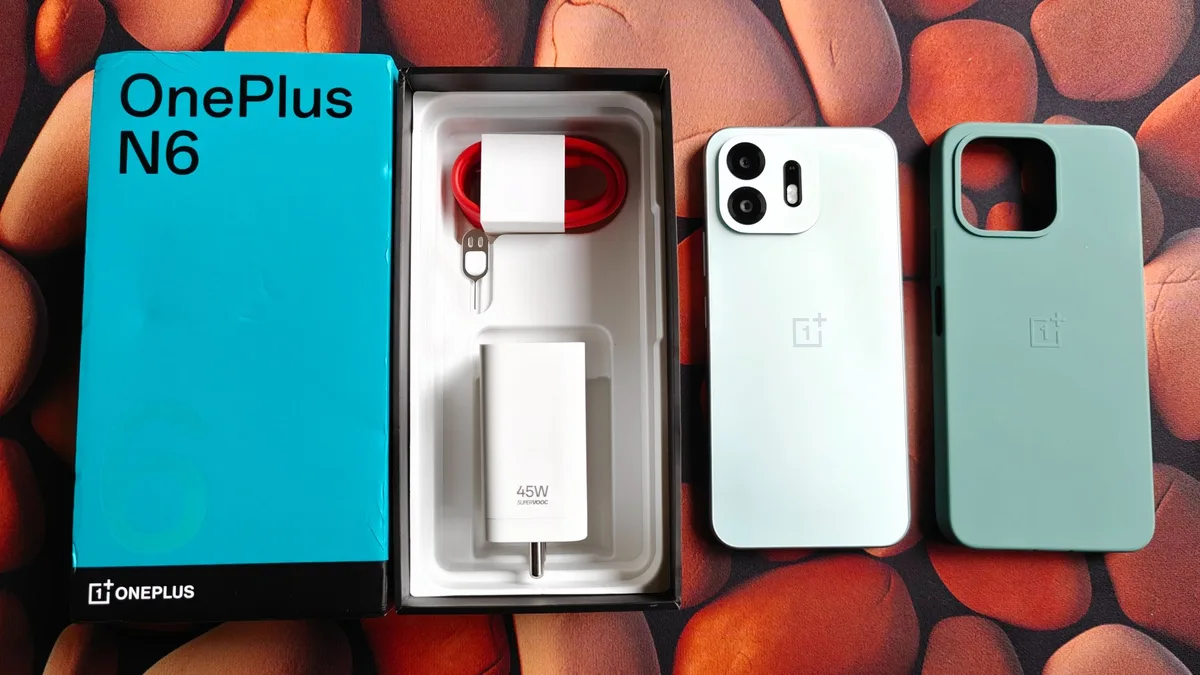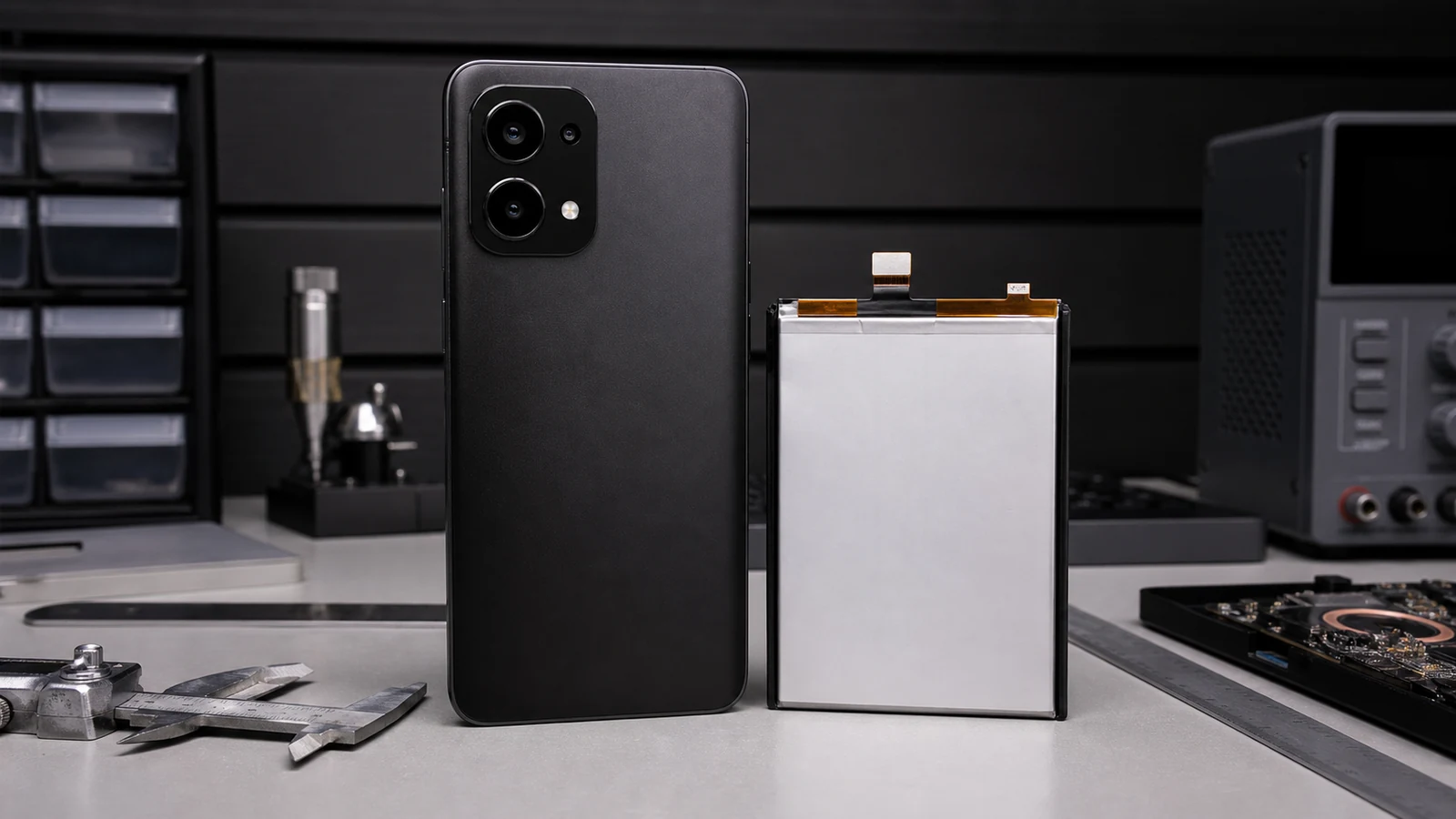
OnePlus appears to be testing how far a mainstream Android phone can stretch battery expectations before the design starts to feel like a different class of device. A reported 10000mAh OnePlus model with a newer Snapdragon chipset would not be a normal year over year upgrade. It would be a direct answer to people who are tired of carrying power banks, watching battery percentages, and choosing between performance and endurance.
The leak matters because battery capacity has quietly become one of the most visible battles in the Android market. Camera hardware, AI tools, and fast displays still drive the premium conversation, but many buyers judge a phone by a simpler question: will it last through a long day without planning around a charger? A 10000mAh figure changes that discussion because it moves beyond small efficiency claims and into tablet-like capacity.
OnePlus has already been part of a crowded flagship rumor cycle, including the earlier OnePlus 16 launch-window leak. This battery-focused report points to a different lane. Instead of chasing only camera islands, titanium frames, or thinner bodies, the company could be testing a phone that sells itself on stamina and gaming-friendly reliability.
Why a huge battery changes the design problem
A phone with a battery this large has to solve more than one engineering issue. It needs thermal headroom, a frame that does not feel like a brick, charging that does not create excessive heat, and software that can manage background tasks without wasting the extra capacity. If the chipset is also new, the battery story becomes tied to modem efficiency, display tuning, and how aggressively OnePlus handles high-performance modes.
The upside is obvious for gamers, travelers, field workers, and users in regions where charging access is not always predictable. It could also appeal to people who keep a phone for several years, because larger initial capacity gives the battery more room to age before daily use becomes annoying. That practical benefit is easier to understand than another small benchmark gain.
The risk is weight. Big-battery phones can become niche products if the hand feel is wrong. OnePlus would need to make the extra capacity feel intentional instead of clumsy. A thick phone can succeed if buyers believe the tradeoff is honest. A thick phone that still overheats, charges slowly, or compromises the camera would not get the same patience.
This is why the leak is more interesting than a normal spec sheet. It suggests that battery life may become a headline feature again, not just a supporting line below the processor name. In a market full of AI promises and camera terms, a phone that simply refuses to die before bedtime could feel unusually direct.
The marketing lesson is also worth watching. Thin phones used to communicate progress because they made technology feel more refined. Now, many buyers have lived through enough battery anxiety that thinness can feel like a compromise instead of a luxury. A very large battery lets OnePlus tell a simpler story: fewer midday charges, fewer battery cases, and more freedom to use maps, hotspot, camera, games, and messaging without planning the day around a wall socket. That is why the 10000mAh detail surfaced by Notebookcheck matters as more than a raw number. The story is especially powerful if the phone still keeps reasonable weight and fast charging. The brand does not have to convince every buyer. It only has to win the people who already believe endurance matters more than shaving another millimeter off the frame.