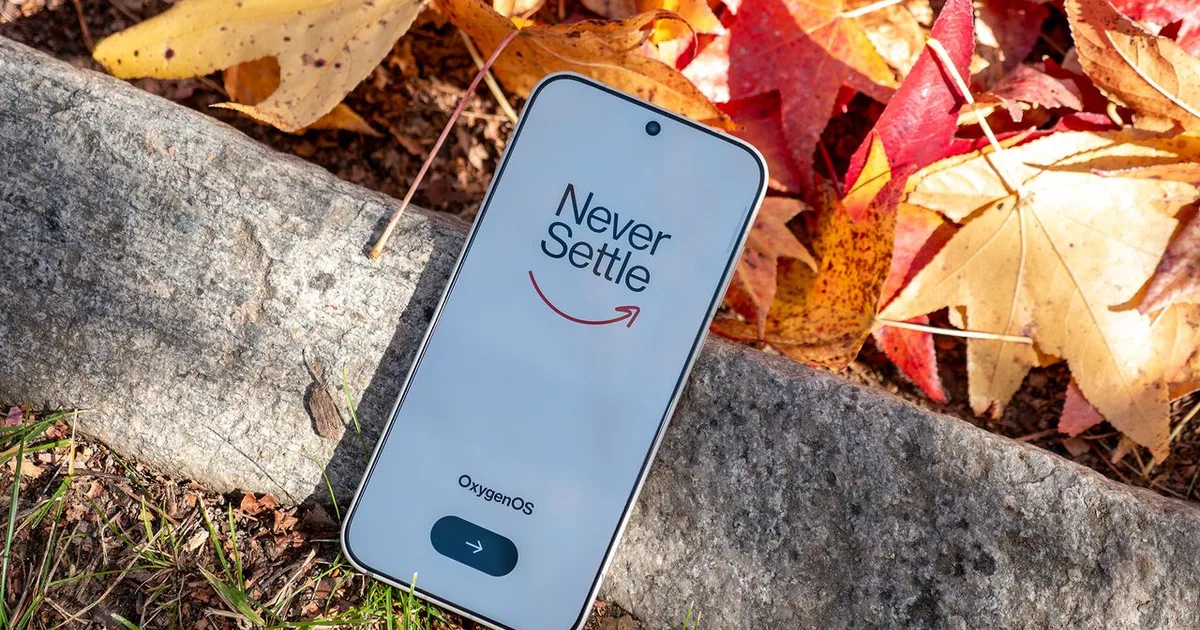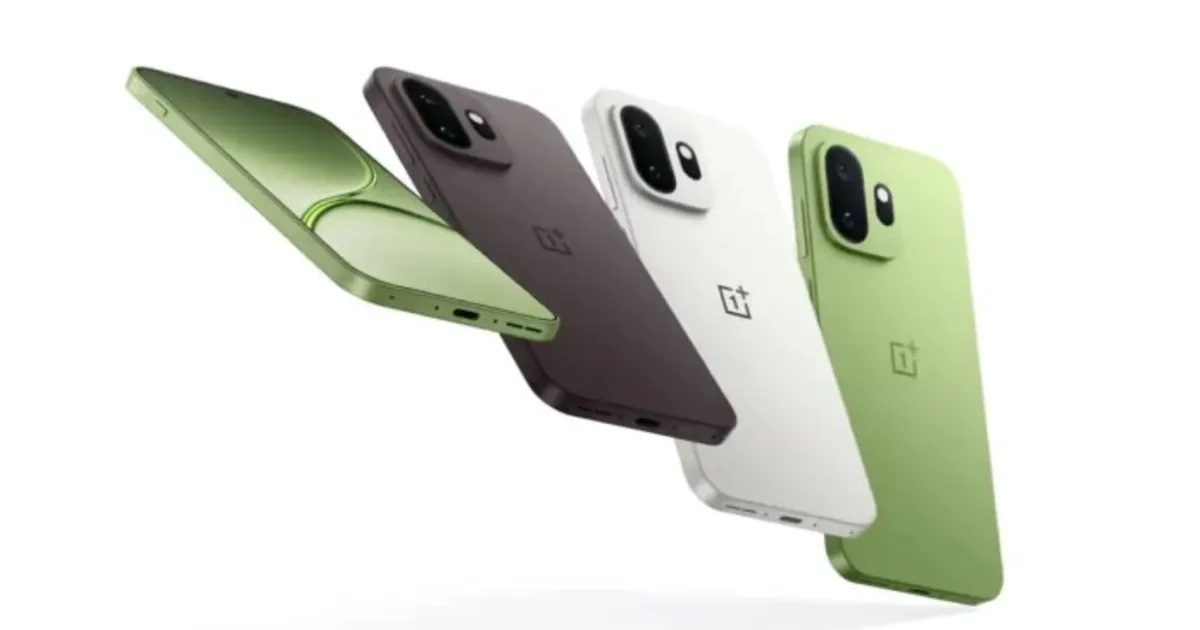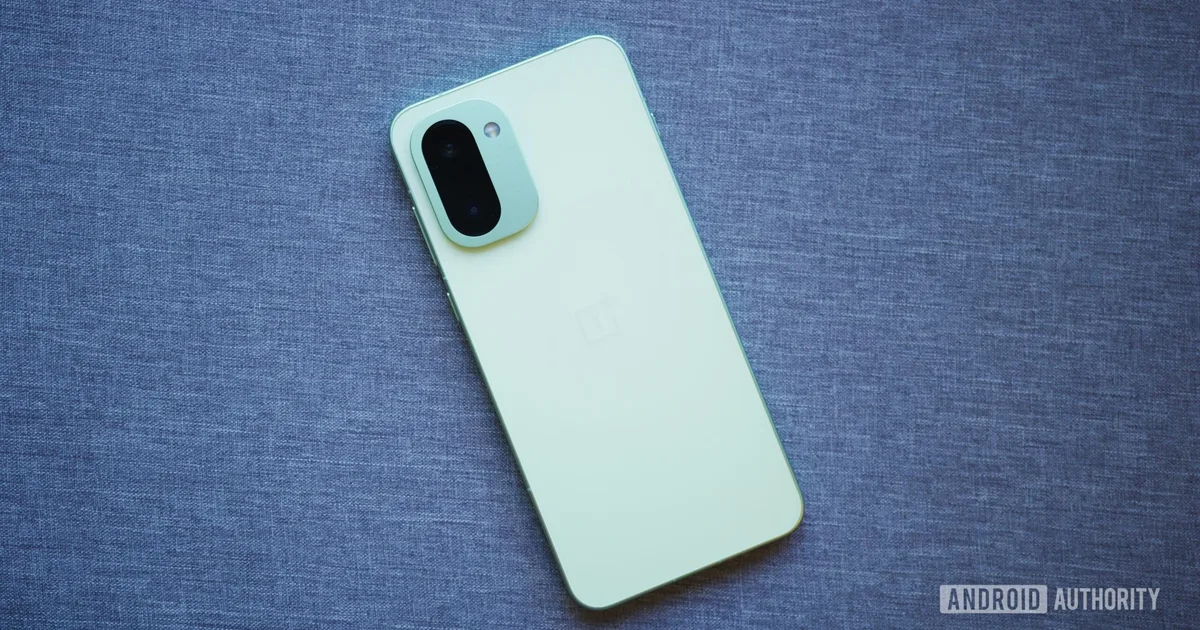
The OnePlus 15R already sits in the part of the market where small specification changes can alter the whole value argument. A new 16GB RAM and 512GB storage option would not turn it into a different phone, but it would change who the device is speaking to. Instead of only chasing buyers who want flagship speed for less money, OnePlus could be leaning into users who keep a phone for several years and want extra memory headroom from day one.
That matters because RAM has become a quiet dividing line in upper-midrange Android phones. Camera sensors and charging speeds still get the marketing spotlight, but heavy app switching, large games, offline video, AI tools, and long update cycles all benefit from more working memory. A 16GB configuration gives OnePlus a cleaner answer when buyers compare the 15R with higher-priced flagships that use memory capacity as a premium signal.
The storage bump is just as practical. A 512GB tier is useful for people who shoot 4K video, keep WhatsApp media locally, download streaming content before travel, or install large games that now eat console-like space. It also reduces the pressure to pay for cloud storage every month, which is a real cost even when phone brands do not include it in the comparison chart.
Android Authority reported that OnePlus is preparing a 16GB RAM and 512GB storage variant of the OnePlus 15R, with availability initially tied to India. If that regional detail holds, it would make sense. India is one of the most competitive value-flagship markets, and spec-per-rupee comparisons carry real weight there.
The move also fits the wider OnePlus pattern we have been tracking around performance-focused phones, including the earlier OnePlus 16 timing leak. OnePlus wants its phones to look aggressive on paper before rivals can define the conversation. A larger 15R memory tier is not glamorous, but it is a tidy way to keep the phone visible after launch.
The risk is price creep. The 15R works only if it stays meaningfully below the full flagship tier. If the 16GB model climbs too close to the OnePlus 16 or Samsung's discounted flagships, the upgrade becomes harder to defend. Buyers may like extra RAM, but they still expect the R-series to feel disciplined.
There is also the question of whether software will make real use of the extra memory. OxygenOS can keep more apps alive, games can resume faster, and on-device AI features may get more breathing room, but memory alone does not guarantee a smoother experience. Thermal tuning, storage speed, update quality, and app management rules will decide whether the bigger configuration feels genuinely better.
If OnePlus prices the 16GB and 512GB model sensibly, this leak points to a smart mid-cycle refresh rather than a gimmick. It gives demanding users a clearer upgrade path without forcing them into the most expensive phone in the lineup. That is exactly where the 15R should be strongest: close enough to flagship comfort, but still grounded in value.
The buyer profile for this model is easy to picture: someone who wants a fast phone, does not upgrade yearly, and would rather pay once for more storage than manage space every few months. That user may not care about having the absolute newest camera hardware, but they will care if the phone keeps apps alive, stores years of photos, and still feels responsive after several Android updates. If OnePlus keeps the premium small enough, the 16GB tier could become the most sensible 15R configuration rather than the most indulgent one.