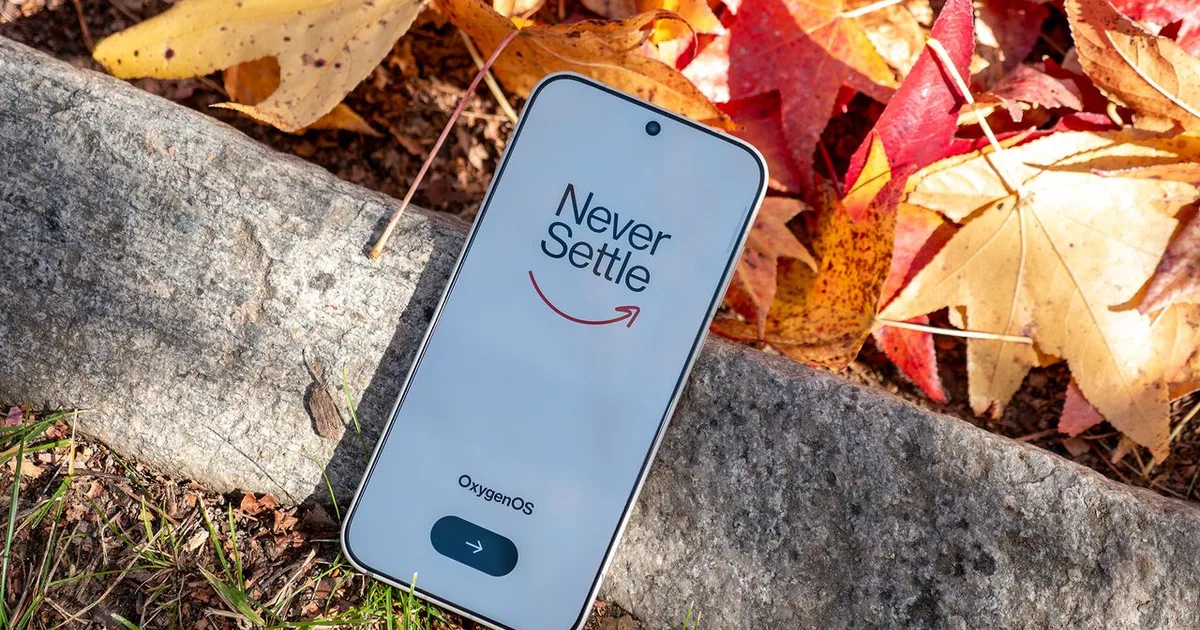
The OnePlus 16 leak cycle is starting to sound less like a processor story and more like a screen story. That is a notable shift for a brand that built much of its reputation around speed, charging, and aggressive spec sheets. If the latest bezel rumor is accurate, OnePlus may be preparing to make the front of the phone feel almost all display, with borders so slim that they become a selling point on their own.
Thin bezels are not new, but the best versions change the personality of a device. A phone with nearly invisible borders feels more modern even when the panel size stays familiar. It makes video, maps, games, and reading feel more open. It also makes the device look expensive in a way that buyers notice instantly in a store or product render.
The challenge is that bezel reduction is rarely free. Brands have to manage display durability, accidental touches, front camera placement, panel yield, repair cost, and internal component layout. A beautiful front panel can become annoying if palm rejection is weak or if the curved edge distorts content. That is why a bezel leak is exciting, but also worth reading carefully.
Android Central reported that the OnePlus 16 may be one of the closest attempts yet at a bezel-free smartphone, based on current leak chatter around the display. The report frames the screen as a major visual upgrade rather than just another routine flagship panel refresh.
That would pair neatly with earlier talk that the OnePlus 16 could arrive in a crowded fall flagship window. If OnePlus is launching near Apple, Xiaomi, Vivo, and Samsung announcements, it needs a feature that is easy to explain in one photo. A nearly borderless front is exactly that kind of feature.
The display story also affects how OnePlus balances the rest of the phone. A bigger visual canvas can make a familiar 6.7-inch or 6.8-inch class device feel more compact, but only if the chassis stays comfortable. If the company chases dramatic visuals and lets weight, grip, or edge touch behavior suffer, the design could become more impressive in pictures than in daily use.
OnePlus also has to decide how premium the 16 should feel compared with its own R-series and Ace models. A true flagship display gives the mainline phone a clearer reason to exist. Fast chips and big batteries are now common across the broader OnePlus family; a more advanced screen is one area where the flagship can still create distance.
The leak is still early, so buyers should treat the bezel talk as a direction, not a promise. Even so, it shows where OnePlus may be trying to compete next. The OnePlus 16 does not only need to benchmark well. It needs to feel special every time the screen wakes, and the bezel rumor suggests OnePlus understands that design is now part of performance.
The service and repair angle should not be ignored either. Very thin bezels can make a phone look futuristic, but they can also make accidental drops more expensive if the panel assembly is harder to protect. OnePlus has to show that the design is not fragile theater. A nearly edge-to-edge display with strong glass, good case compatibility, and normal repair access would be far more impressive than a delicate showcase phone that owners feel nervous carrying without a bulky case.