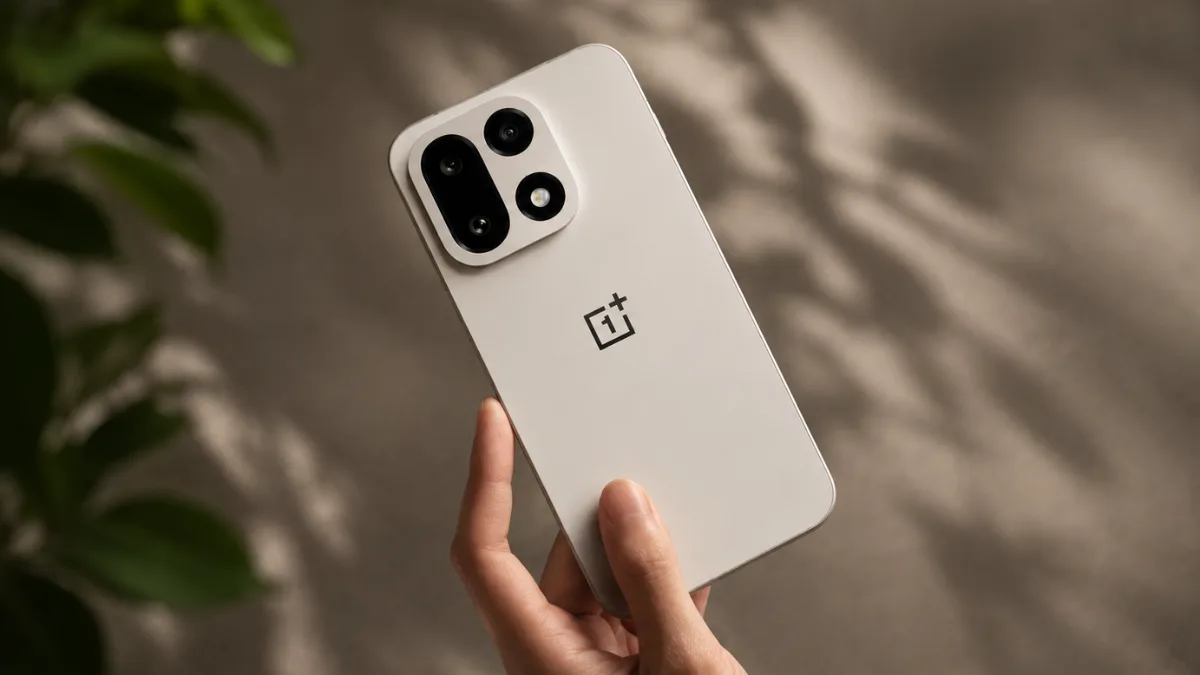
The latest OnePlus 16 display rumor is more interesting because it sounds restrained. Instead of chasing a 240Hz spec that would look dramatic on a poster, the phone is now said to use a display around 185Hz with bezels under one millimeter. That still reads like enthusiast hardware, but it suggests OnePlus may be choosing the part of the display race that users can actually feel more often.
Refresh-rate marketing has reached the point where bigger numbers do not always mean a better daily phone. A 240Hz panel can be useful in narrow gaming cases, but most apps, animations, and video content will never make use of it. A very high refresh ceiling also has to be balanced against power draw, panel cost, thermal behavior, and touch responsiveness. A 185Hz target could sound less exciting while being more practical.
The leaked bezel claim matters just as much. Bezels under one millimeter would make the OnePlus 16 look more modern in hand, especially if the company keeps the front camera and edge shaping clean. Flagship buyers may not notice a tiny bezel number on a spec sheet, but they do notice whether the screen feels immersive without accidental touches. That is where engineering choices become more important than marketing language.
Gizmochina cited a Digital Chat Station leak saying the OnePlus 16 display may stop at 185Hz while using extremely slim bezels. The report pushes back against earlier talk of a 240Hz panel, which makes this rumor a useful correction rather than just another speculative spec line.
If the leak is accurate, OnePlus could be trying to avoid a phone that looks great in one comparison table but pays for it everywhere else. A 185Hz panel is already far beyond what many mainstream buyers use. The real test will be whether OnePlus tunes brightness, PWM behavior, color consistency, touch sampling, and adaptive refresh transitions well enough that the screen feels expensive even when the headline number is not the biggest possible.
This also fits the larger OnePlus story from recent leaks, including the earlier OnePlus 16 September launch rumor. The phone is being watched as a serious fall flagship contender, not simply because of one spec but because OnePlus has a chance to package speed, display quality, battery life, and charging in a way that undercuts more expensive rivals.
There is a risk, of course. Enthusiast communities often reward the loudest number first, and OnePlus has historically benefited from that kind of spec-sheet energy. A 185Hz display may require clearer messaging than a 240Hz one, especially if rival brands claim bigger refresh rates at launch. OnePlus would need to explain why the screen is better in use rather than simply faster on paper.
That would not be a bad direction. Smartphone displays are mature enough that sensible engineering can be more valuable than spectacle. If the OnePlus 16 pairs a sharp, bright, efficient panel with ultra-thin bezels and smooth software tuning, 185Hz could end up looking like a deliberate choice instead of a downgrade. The leak makes the phone feel less like a benchmark stunt and more like a flagship trying to survive real daily use.