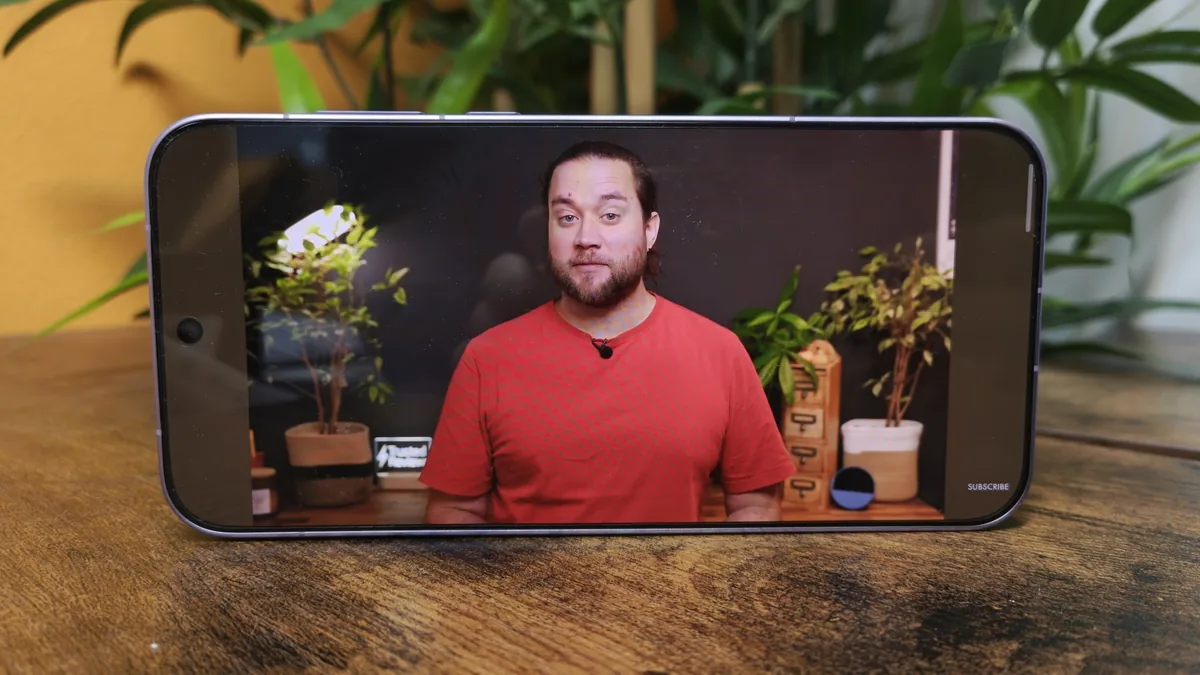
OnePlus has spent years using display speed as part of its identity, so a new OnePlus 16 leak focused on the screen feels believable. The rumored 185Hz refresh rate would be higher than most mainstream flagships need, but that is partly the point. OnePlus wants the next phone to feel fast before the buyer opens a benchmark app, and the easiest way to create that first impression is still a responsive display.
Refresh rate alone does not make a great phone. A panel also needs strong brightness, efficient power use, low touch latency, color accuracy, readable outdoor behavior, and sensible adaptive switching. We have already seen similar display escalation in our OnePlus 16 refresh-rate coverage, where the real question was whether the faster panel can be practical instead of only impressive on paper.
Trusted Reviews says another leaker has echoed the 185Hz claim and added more detail around the OnePlus 16 display. Multiple claims do not guarantee accuracy, but repeated display rumors usually mean the panel is a central part of the upcoming pitch.
The upgrade could matter most for gaming and scrolling feel. Many users will never identify the exact refresh rate, yet they will notice if the phone feels immediate. OnePlus has always sold speed as an emotional feature: apps open quickly, animations look clean, and the phone feels eager. A faster screen reinforces that story.
Battery life is the counterweight. If OnePlus pushes 185Hz without careful adaptive control, the feature could become something users turn off. The better implementation would ramp up only when it matters and drop aggressively during static reading, video playback, or always-on display use.
The leak also puts pressure on rivals. Samsung, Xiaomi, Vivo, and Oppo already compete on camera sensors, batteries, charging, and AI features. A visible display claim gives OnePlus a clear headline, especially if the camera hardware is more incremental.
The OnePlus 16 still needs a full package to win. But if this leak holds, the company appears ready to make the screen its simplest argument: this phone should feel faster the moment you touch it.
OnePlus also has to think about app behavior. Many Android apps do not run meaningfully at very high refresh rates all the time, and some games impose their own caps. A 185Hz panel is most convincing when the software stack knows where it helps and where it wastes power. That means OnePlus needs tuning across OxygenOS animations, touch sampling, gaming modes, and adaptive refresh logic. The number alone is not enough if the phone spends most of its day behaving like a normal 120Hz device.
The display rumor may still be useful even if buyers never see 185Hz constantly. It tells the market that OnePlus wants speed to remain part of its personality. In a year when rivals may talk more about AI, cameras, or batteries, OnePlus can still claim a tactile advantage. The company just has to make sure that advantage survives real-world heat, battery drain, and app support.
The camera system will still decide whether the OnePlus 16 can compete at the very top, but the display leak gives the phone a clear first impression. If OnePlus pairs the faster panel with better outdoor visibility and sensible battery behavior, it can turn a technical number into a daily comfort upgrade. That is the difference between a spec-sheet victory and a feature people actually keep using.