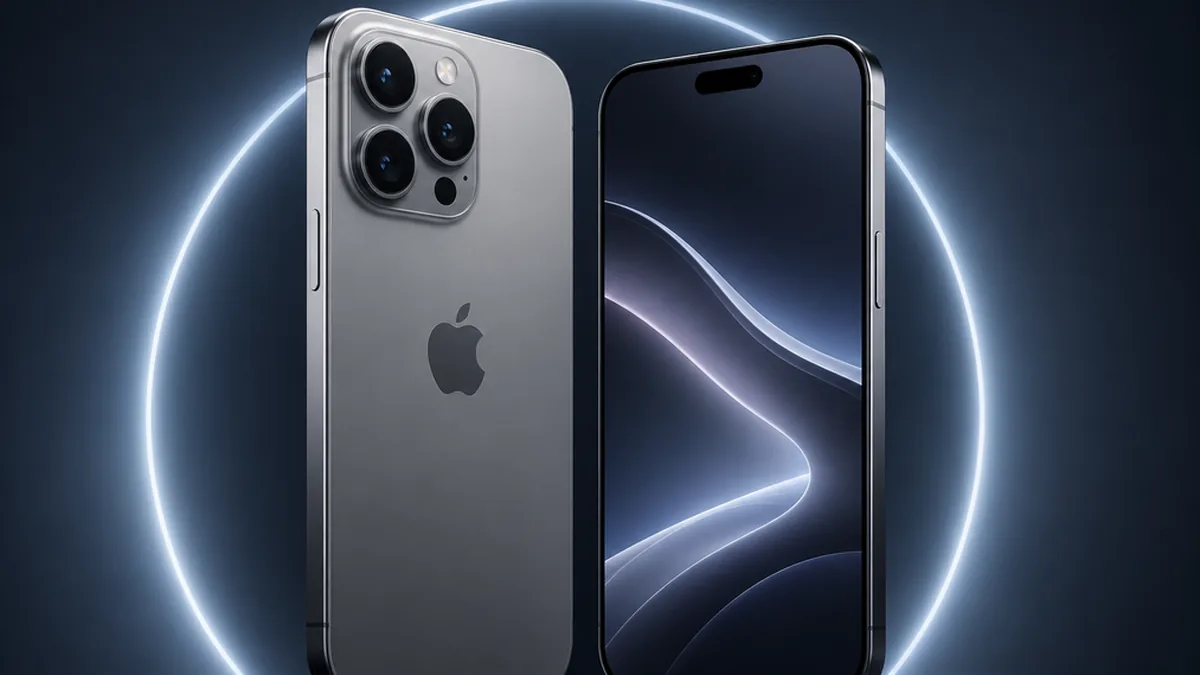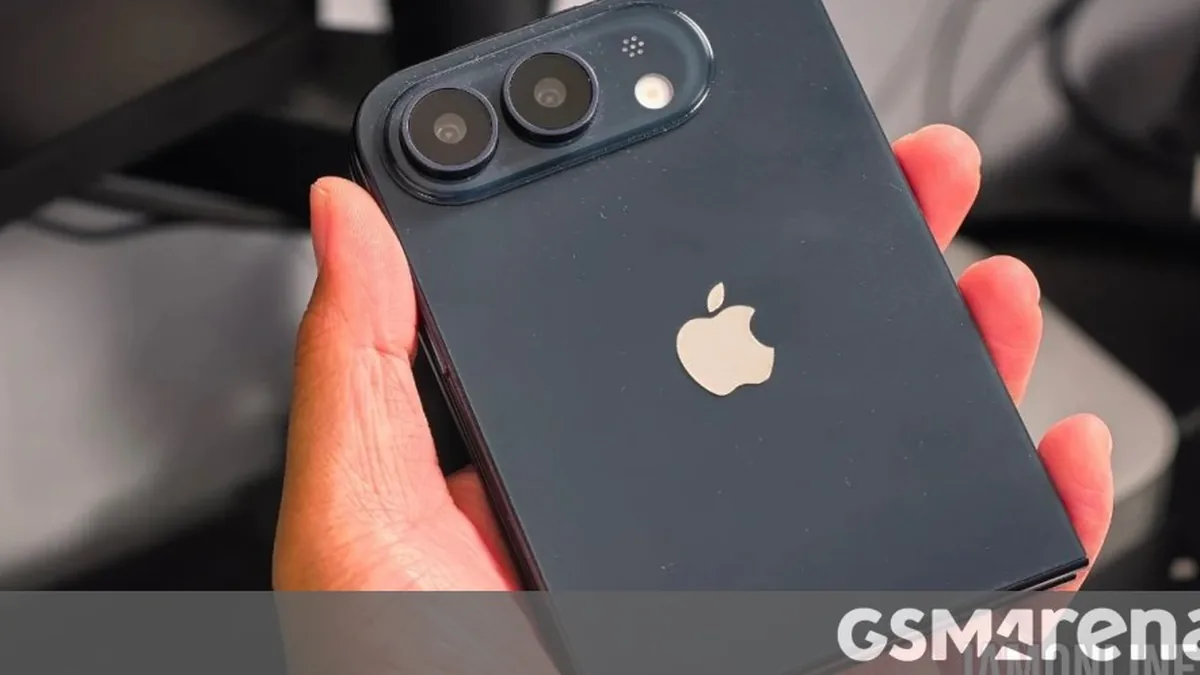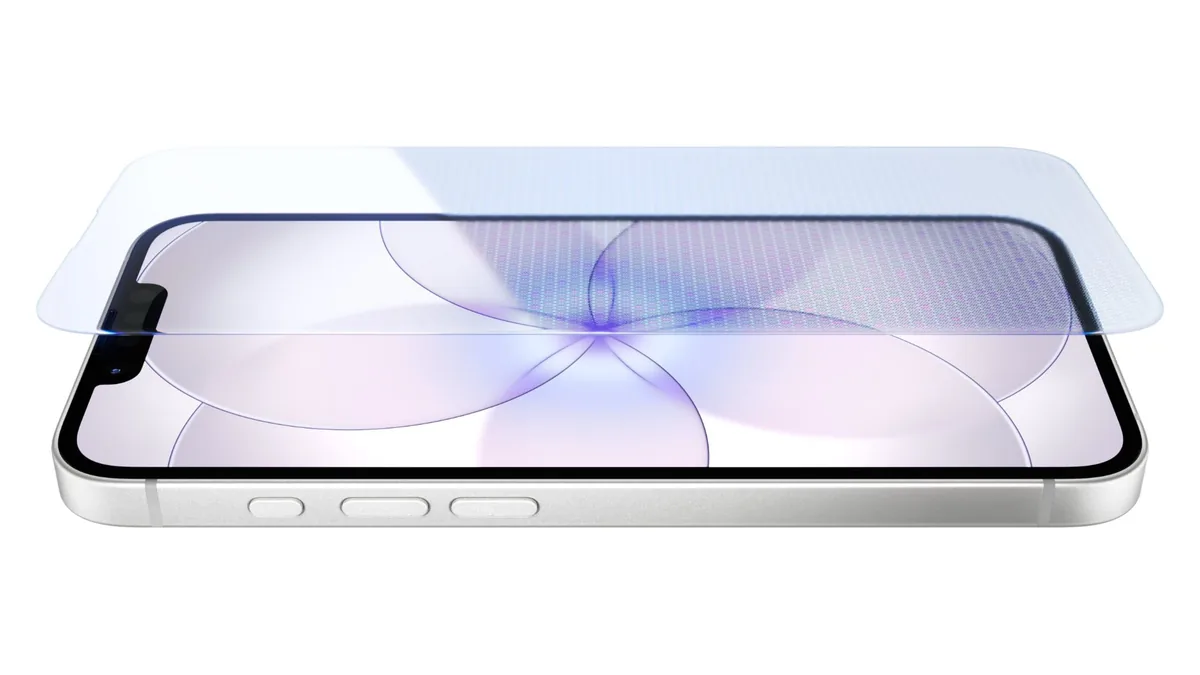
Apple's lower-cost iPhone strategy keeps returning to the same uncomfortable question: how much modern iPhone experience should the cheaper model receive? The latest iPhone 18e display leak suggests Apple may again hold back ProMotion, keeping high refresh rates reserved for more expensive models. That would not surprise anyone who has watched Apple's segmentation playbook, but it would still be frustrating for buyers who now see smoother displays on many midrange Android phones.
The issue is not only refresh rate. ProMotion has become a shorthand for the gap between Apple's standard models and its premium phones. A 60Hz panel can still look sharp, bright, and color-accurate, but scrolling, gaming, and animations feel less fluid beside a 120Hz screen. We have already looked at how iPhone 18 RAM rumors may shape Apple Intelligence features, and display limits could create another visible split.
MacRumors cites a Chinese leaker who claims the iPhone 18e will keep the same display refresh-rate position as the existing lower-end model. If accurate, Apple would be signaling that the e-series is meant to preserve access to the ecosystem, not deliver the full feel of a flagship.
That approach may work commercially. Many buyers choose the cheaper iPhone because they want iMessage, FaceTime, long software support, strong cameras, and resale value. They may not compare refresh rates in a store. But the display gap is becoming easier to notice as Android brands push smoother screens into cheaper devices.
Apple also has to think about battery life and margins. A lower refresh-rate display is cheaper, easier to source at scale, and simpler to optimize. The company may decide that the e-series buyer cares more about price stability than display parity. The danger is that 'good enough' can start to feel like deliberate withholding.
The leak is still early, and Apple's 2027 product line could change before launch. Even so, it fits a familiar pattern. Apple uses display technology as a clear dividing line, then moves features down only when the premium tier has found something else to protect.
If the iPhone 18e stays at 60Hz, the device will need other strengths to feel fair: better battery life, stronger AI support, improved camera processing, and a price that does not drift too close to the standard model. Otherwise, ProMotion will remain the missing feature buyers notice first.
Apple may also be betting that the e-series customer does not upgrade every year. Someone coming from an older LCD iPhone or a low-storage model may still see the iPhone 18e as a major improvement, even without ProMotion. That calculation has worked before. The problem is that display expectations keep moving. Once smoother screens become common in cheaper phones, the absence becomes easier to explain in negative terms: not a careful compromise, but an artificial product wall.
The best-case version of this strategy would be honest pricing. If the iPhone 18e keeps a slower panel but offers strong battery life, long support, modern Apple Intelligence basics, and a clear discount, buyers can make an informed trade. If the price rises while the display stays behind, the leak will feed a different story: Apple protecting Pro margins at the expense of the entry model's feel.