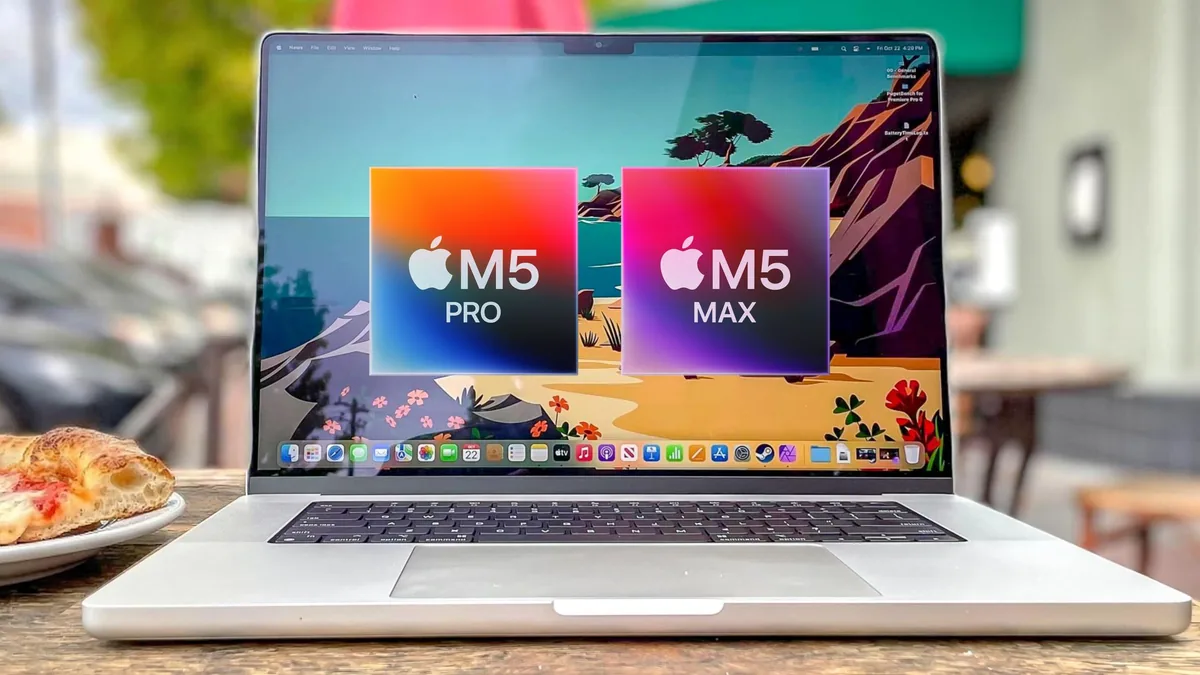
A MacBook Ultra would be a risky name if Apple used it only for a minor laptop variation. The latest report suggests a more practical possibility: Apple could create a higher-end notebook identity while still relying on M5 Pro and M5 Max class chips. That would let the company change the product story without immediately introducing an entirely new silicon branch.
The idea fits Apple's current Mac strategy. The company already uses chip tiers to separate casual users, developers, creators, and workstation buyers. A new laptop lane could focus on display, thermal design, battery, ports, and form factor rather than raw chip branding alone. Our macOS 27 hardware coverage has shown how Apple keeps tying software features back to Apple Silicon.
Tom's Guide reports that a possible MacBook Ultra may use some of the same chips as the MacBook Pro, including M5 Pro and M5 Max options. That sounds less dramatic than a brand-new processor, but it may be easier to ship and explain.
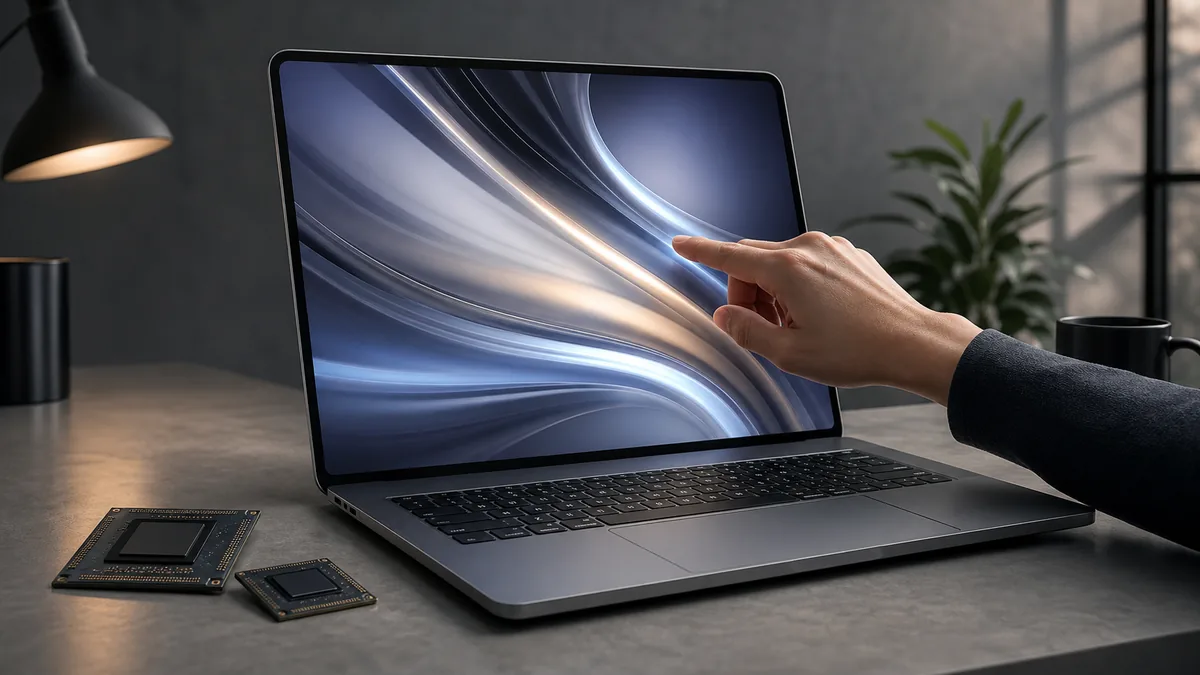
A higher-end MacBook could still justify itself if Apple changes the machine around the chip. More sustained performance, a new display, a thinner design, better cooling, cellular options, or touch input would make the product feel different. Without those changes, the Ultra label could confuse buyers who already understand MacBook Air and MacBook Pro.
The report also matters because Apple has to keep the Mac line fresh while avoiding too many overlapping models. A MacBook Ultra would need a clear customer: someone who wants more than a Pro but does not want a desktop. That could be filmmakers, developers, AI researchers, or creative teams who travel.
Pricing would be the obvious challenge. Apple already sells expensive MacBook Pro configurations. A higher tier has to feel like a meaningful step, not a marketing rename. Otherwise, the product could create more lineup complexity than value.
The chip report makes the possible MacBook Ultra feel more realistic because it lowers the launch barrier. Apple may not need a new chip to test a new laptop category. It needs a clear reason for that category to exist.
A MacBook Ultra could also give Apple room to experiment with features it does not want to force onto every Pro buyer. Touch input, OLED changes, a new enclosure, or a more expensive cooling design would be easier to introduce in a separate high-end lane. That would protect the familiar MacBook Pro while giving Apple a place to test whether professionals want something more specialized.
The name would create expectations immediately. Ultra has already been used for Apple's most powerful chip and its most rugged watch, so buyers would expect a visible leap. If the machine uses familiar chips, the rest of the hardware has to carry the Ultra promise. A better display, more sustained performance, or a new interaction model would need to be obvious the first time someone opens the lid.
The rumored machine would also test how much room is left above the MacBook Pro. Apple already sells powerful laptops with excellent displays and battery life, so the Ultra label has to mean more than a higher price ceiling. A new input method, a different screen class, or a body designed for longer sustained workloads would give professionals a clearer reason to care.