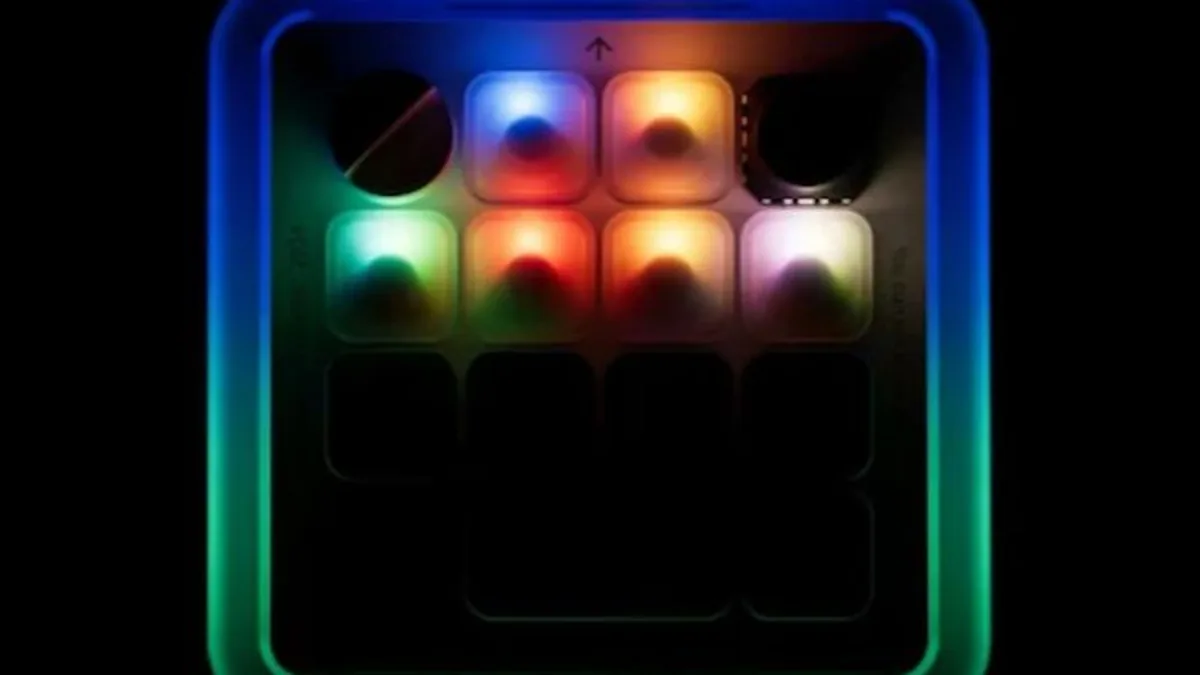
The idea of dedicated AI coding hardware sounds unusual at first because coding assistants have been defined by software: editor plugins, browser chats, terminal tools, and cloud agents. A report about OpenAI Codex Micro changes the mental model. If accurate, it suggests AI coding help may become something carried, docked, or used beside a development machine rather than only opened inside an IDE.
That raises a practical question: what does hardware add? A small device could provide secure local context, quick voice capture, account separation, or a dedicated interface for agent status. It might also serve as a physical reminder that an AI job is running, reviewing, or waiting for approval. The value would not be raw compute alone; cloud models will still do much of the heavy lifting. The value would be workflow control.
Developers already manage more AI state than they did a year ago. Prompts, repo context, code diffs, test results, credentials, and review instructions all need boundaries. We recently covered how mobile AI workflows are becoming pocket-sized, and a coding-focused device would push that idea into software engineering: AI work that follows the developer without turning every phone notification into a code review.
Bhaskar English reports that OpenAI's first hardware is not a smartphone, but a device designed for the company's AI coding assistant. The report should be treated carefully until OpenAI provides full details, yet the concept is plausible because AI coding tools are becoming operational systems rather than simple autocomplete features.
Security would be the first concern. A coding assistant can see proprietary source, environment variables, dependency choices, and sometimes production workflows. A dedicated device would need strong account controls, local encryption, clear approval steps, and predictable data handling. If it is merely a stylish remote control for cloud prompts, developers may not trust it with serious work.
The second concern is interruption. Coding requires concentration, and a hardware assistant could either reduce context switching or add another screen that demands attention. The best version would show only important agent states: waiting for a decision, test failed, patch ready, conflict needs review. The worst version would become another notification surface in an already crowded desk setup.
There is also a market question. Individual developers may not buy a separate AI coding device unless it saves real time. Teams and enterprises might be more interested if it supports audit trails, role-based approval, and controlled agent execution. That would make the hardware less like a consumer gadget and more like a physical endpoint for managed AI development.
The Codex Micro report is interesting because it treats coding AI as something that may deserve its own hardware language. Whether the product becomes real or not, the direction is clear: AI coding assistants are moving from suggestions to delegated workflows. Once agents start running tasks, testing code, and waiting for human approval, a dedicated control surface begins to make more sense than it did in the autocomplete era.
The hardware idea also exposes a naming challenge. Developers will not adopt a device because it carries an AI label; they will adopt it if it fits real habits such as reviewing patches, approving runs, capturing tasks, or separating work credentials. A focused tool could work, but a vague AI gadget would struggle against laptops and phones already on the desk.