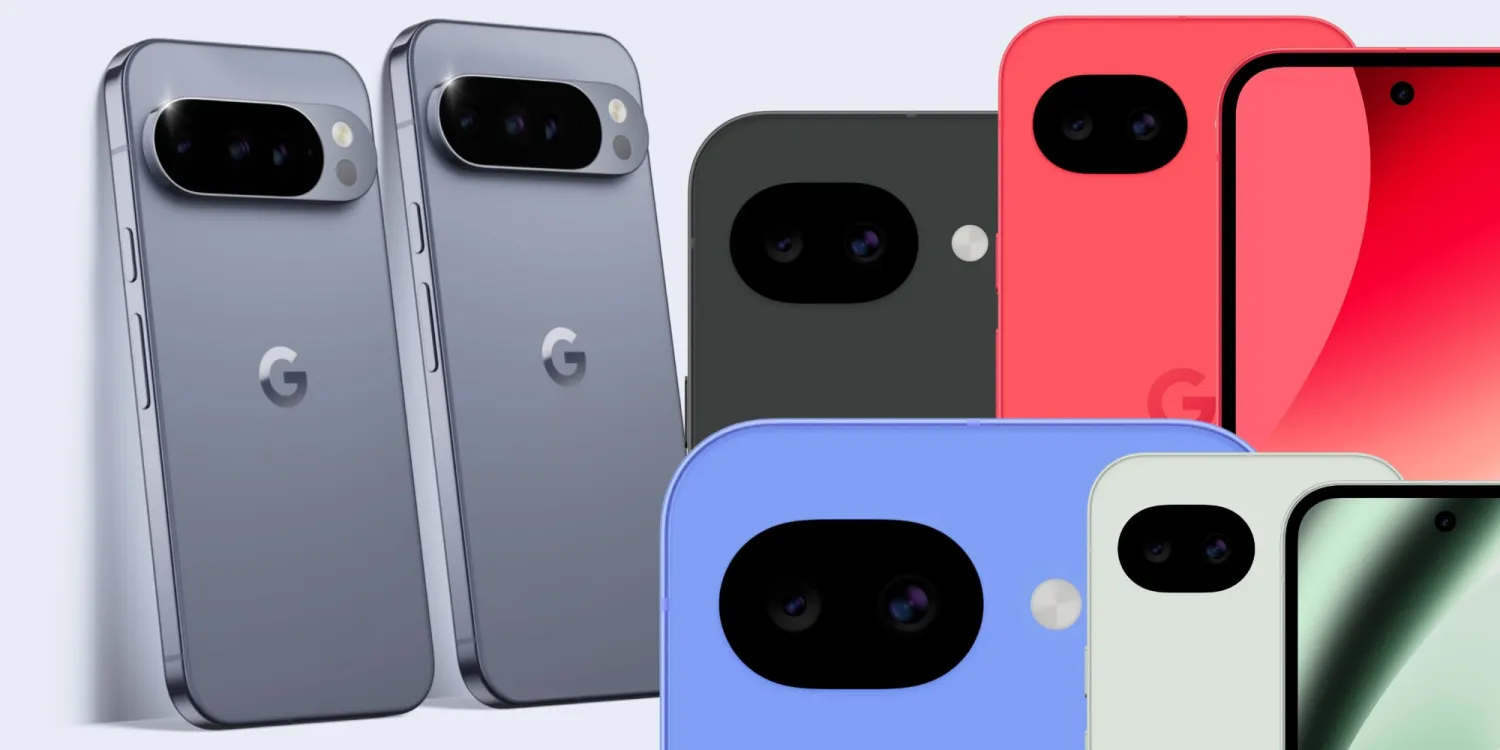
Pixel 10 discounts during Prime Day are not leaks, but they tell us something important about the smartphone market. Timing has become part of the product strategy. A phone can launch with strong AI features, a clean camera story, and long updates, yet still depend on retail windows to reach buyers who wait for a price signal before upgrading.
Google's Pixel line is especially sensitive to pricing. Enthusiasts appreciate the camera processing and Android-first features, but mainstream buyers often compare Pixels against discounted Samsung phones, older iPhones, and carrier bundles. A visible price drop can make Google's software strengths easier to choose.
The Pro XL angle matters because large premium phones are getting expensive across the board. If buyers see a significant Pixel discount while Apple and Samsung pricing feels high, Google gets a chance to turn its AI and camera pitch into a more practical value story. That can matter more than another feature demo.
9to5Toys reports that Pixel 10 and Pixel 10 Pro XL Prime Day prices dropped lower, putting the phones in front of buyers during the final hours of the sale. The deal framing is retail-focused, but the competitive signal is broader.
We have covered how small Pixel software changes can travel quickly through the Android world in our story on Pixel interface updates and their visibility. Pricing can travel just as fast. A good deal changes the way people evaluate the same hardware.
Google still needs consistency. Discounts help, but they cannot replace strong battery life, reliable modems, fast support, and AI features that feel useful after the first week. The Pixel 10 pricing moment shows that Google is not only competing on features. It is competing on when people decide their current phone is finally worth replacing.
Retail timing can also protect Google from early-launch skepticism. Pixels often face intense scrutiny around battery, heat, modem behavior, and bugs. A strong discount later in the cycle gives cautious buyers a second reason to look after initial reviews and software patches have clarified the phone's strengths.
The challenge is avoiding the perception that Pixels should never be bought at full price. If discounts become too predictable, launch buyers feel punished and later buyers wait. Google has to balance aggressive promotions with enough price discipline to keep the brand premium.
Still, the deal window is useful for Android competition. It can pull buyers away from older iPhones, Samsung mid-cycle discounts, and cheaper Chinese flagships. The Pixel 10 does not have to outsell everyone to matter. It has to keep Google's version of Android visible in the premium conversation.
Carrier behavior will matter as much as Amazon pricing. Many phone buyers never see unlocked discounts because they shop through monthly plans. If Google can align retail deals, carrier promotions, and trade-in values, the Pixel 10 family has a better chance of reaching people who like the software but hesitate at full flagship pricing.
For Google, every discount is also a chance to put Pixel AI features into more hands. The company benefits when more users try call tools, photo editing, recorder features, and clean Android updates directly. Wider usage can strengthen the Pixel story more effectively than another isolated feature announcement.