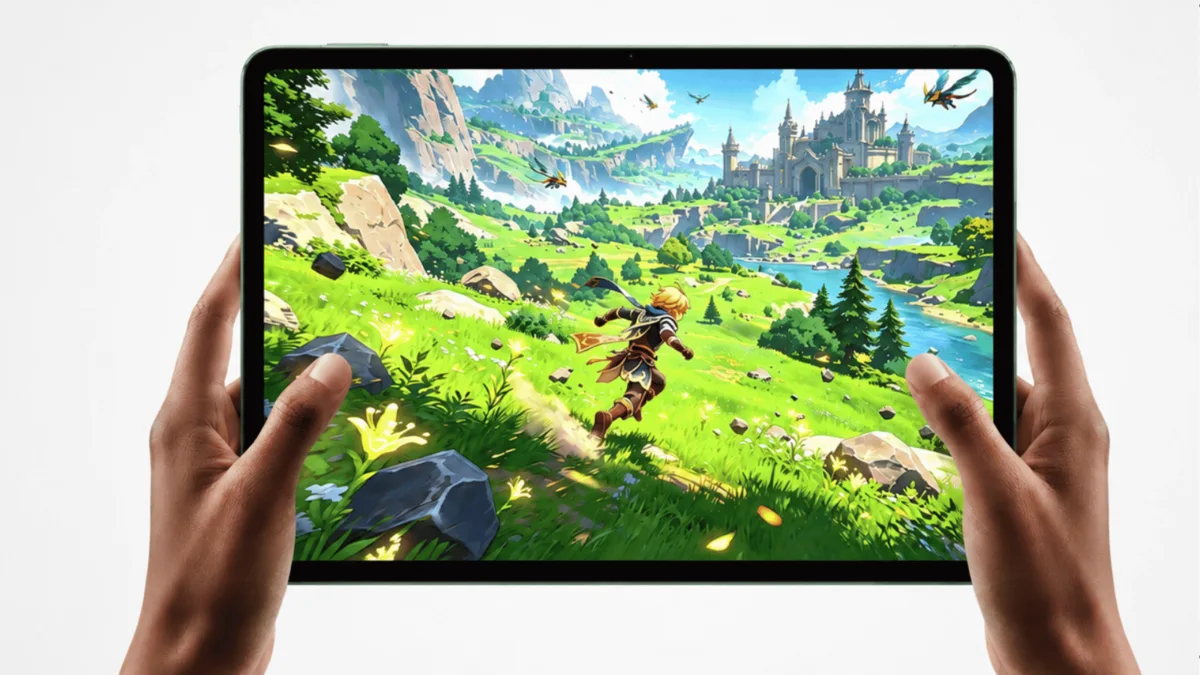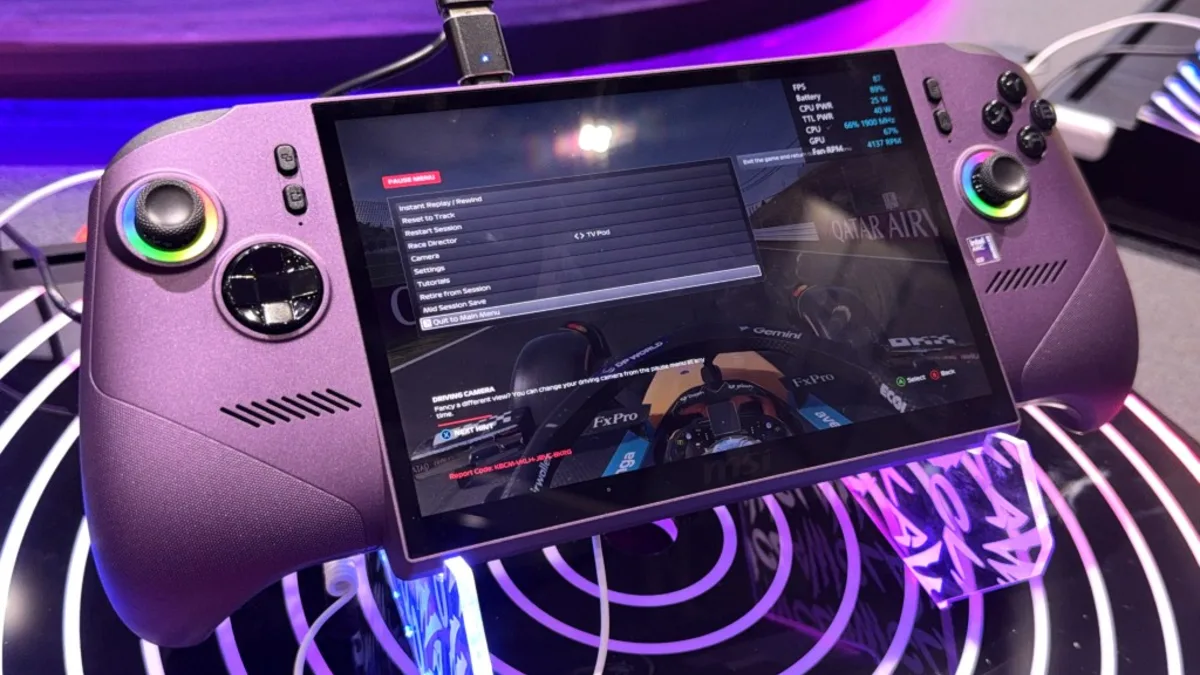
The RedMagic Game Tablet 5 Pro screen leak is another sign that mobile gaming hardware is borrowing aggressively from esports monitors. A 185Hz display on a tablet may sound excessive to casual users, but for RedMagic's audience the number is part of the promise. The device is not trying to be a normal family tablet. It is trying to be a handheld gaming machine with Android flexibility.
High refresh rates can make games feel smoother, but the real value depends on the full system. The panel needs touch response, stable performance, enough battery, and thermal control to support long sessions. A 185Hz screen is impressive only if the device can actually feed it with frames and keep input latency low.
That is why gaming tablets are becoming more specialized. A general tablet can prioritize thinness, streaming, and note-taking. A gaming tablet has to think about grip, speakers, cooling vents, charging while playing, display sampling, shoulder accessories, and software modes that keep notifications out of the way. RedMagic's brand gives it permission to chase those choices directly.
The screen details were reported by 三易生活, and they line up with the direction we saw in the RedMagic 11S Pro gaming phone. The line between gaming phone, tablet, and handheld console keeps getting thinner.
Refresh Rate Is Only the First Promise
A 185Hz panel gives RedMagic a strong headline, but gamers will judge consistency. Competitive titles need steady frame delivery, not a peak number shown in a settings menu. Heat buildup, background processes, and battery-saving behavior can all reduce the benefit if the tablet cannot sustain performance.
Game support is another issue. Not every Android title will run at extreme frame rates, and some popular games impose their own caps. RedMagic can still benefit from a fast panel through smoother UI and lower latency, but the marketing needs to match real compatibility. Enthusiast buyers will test it quickly.
The tablet form factor has one advantage over phones: more room. More space can mean a larger battery, better cooling, louder speakers, and a screen big enough for complex controls. The downside is portability. A gaming tablet must justify why someone should carry it instead of using a phone or a dedicated handheld PC.
The leak suggests RedMagic believes there is room for a high-refresh Android gaming tablet that does not apologize for being specialized. If the display, thermals, and software all work together, 185Hz could be more than a spec. It could define the device's reason to exist.
The accessories around the tablet will be worth watching as well. High-refresh gaming on a large screen often needs a controller, cooling support, or a stand to feel comfortable for long sessions. RedMagic can turn the device into a fuller mobile setup if it thinks beyond the panel. A great screen starts the pitch, but the surrounding ecosystem decides whether players keep using it after the launch excitement fades.
Pricing will decide how forgiving gamers are. A specialized tablet can command a premium, but only if it beats ordinary tablets at the games people actually play. RedMagic needs to show stable frame rates, fast charging, and comfortable control options clearly, because enthusiasts will measure the device by sessions, not slides.