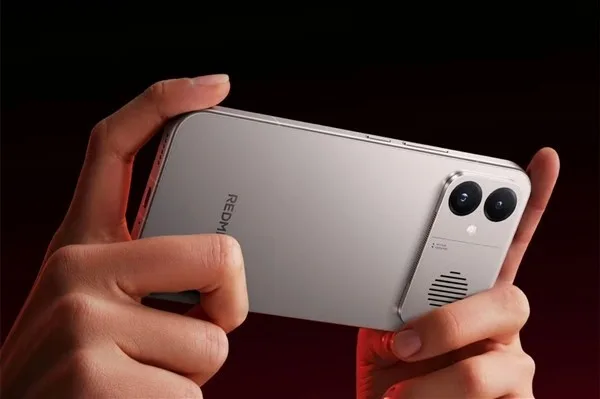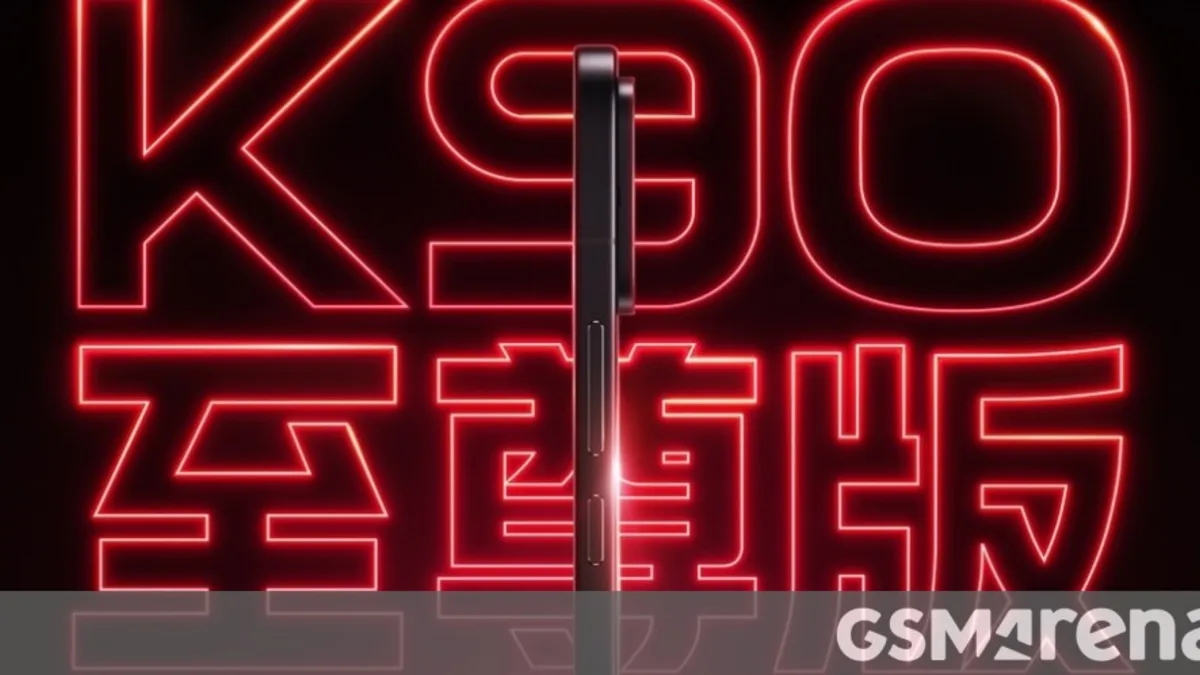
The Redmi K90 Ultra has moved from rumor chatter into the preorder stage, and that usually means the launch window is no longer distant. Redmi is expected to introduce the phone in China later this month, with early reservations already live and a performance-first message around the 3000 yuan price band. That combination matters because Redmi does not need to win the luxury flagship race to create pressure. It only needs to make high-end speed look reachable.
This is the kind of phone that can shape buyer expectations before anyone has touched the final retail unit. Preorders tell the market that Redmi is ready to convert interest into orders, while the reported price range gives enthusiasts a reason to wait instead of buying a current mid-range device. A phone around CNY 3000 can sit close enough to mainstream budgets while still borrowing the language of gaming hardware, cooling, and benchmark strength.
The leak also lands at a useful time for Xiaomi's sub-brand. The Chinese Android market is crowded with phones that promise giant batteries, high-refresh displays, and aggressive charging, so the K90 Ultra needs a simple identity. A late June launch, a performance slant, and a familiar Redmi value pitch make that identity easy to understand. The remaining question is whether Redmi will balance the speed story with enough camera and software polish.
GSMArena reported that the Redmi K90 Ultra is due to be unveiled this month in China, that preorders have already started, and that the phone is being positioned around a roughly CNY 3,000 price point. That is not a full spec sheet, but it is enough to place the device in the exact segment Redmi knows how to attack.
The most interesting part is not only the price. It is the timing. A preorder phase before the formal reveal lets Redmi measure demand and keep the model visible during a busy summer launch cycle. It also gives retailers a reason to push the phone before rivals respond with discounts. Redmi has often used that early momentum well, especially when the device is meant to be judged as a performance bargain rather than a design showcase.
That strategy matches the broader Redmi pattern we have been watching, including the earlier Redmi K90 Extreme leak around flagship power below 3000 yuan. Buyers in this range are not just counting cores. They care about battery size, charging speed, display behavior in games, heat management, and whether the phone still feels smooth after months of heavy use.
Redmi's challenge is that performance claims have become cheap to make. Many phones now advertise advanced cooling systems and gaming modes, but sustained performance is what separates a useful gaming phone from a benchmark headline. If the K90 Ultra can keep frame rates stable, charge quickly without getting awkwardly hot, and avoid cutting too deeply on the camera system, it could become one of the easier phones to recommend in its price class.
For now, the preorder news is best read as a launch signal, not a verdict. It confirms that Redmi wants attention before the official announcement and that the K90 Ultra is being framed as a value-performance device from the beginning. If the final hardware supports that framing, late June could bring another reminder that China's most interesting phone fights often happen below the premium flagship tier.