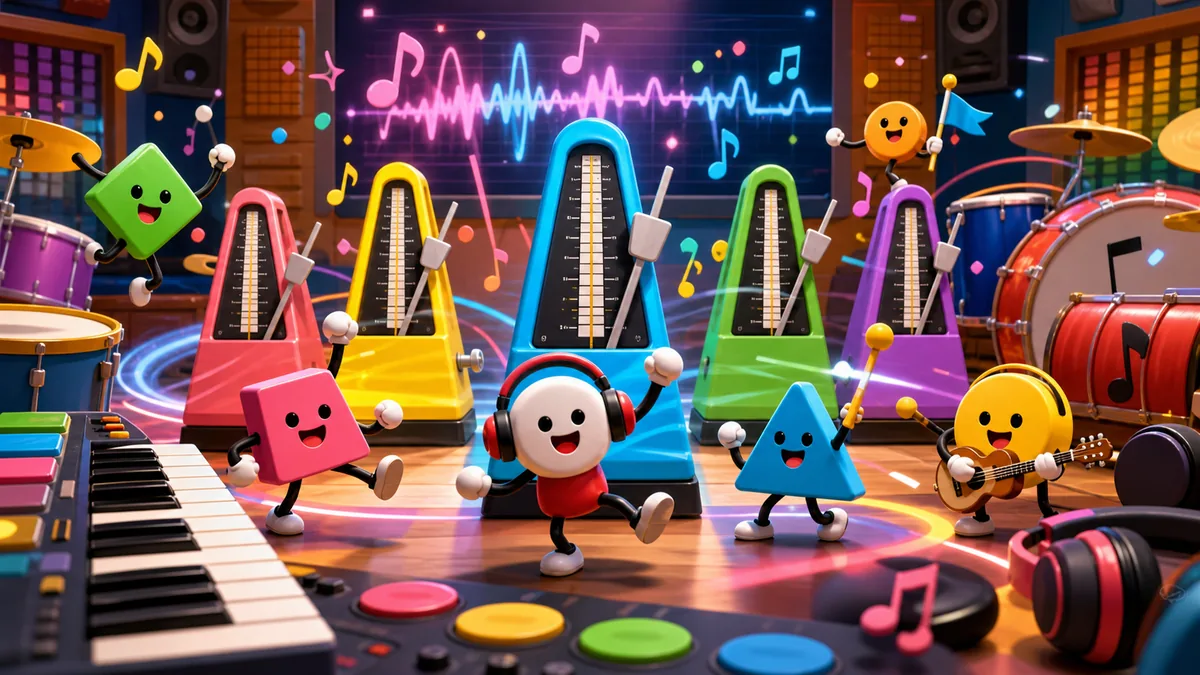
Rhythm Heaven Groove may not look like the biggest Nintendo Direct announcement, but it could become one of the most important summer games for Switch owners. Rhythm Heaven works because it strips games down to timing, surprise, sound, and visual jokes. It does not need a giant world or a complex progression system. It needs the player to feel the beat and smile when the joke lands.
The July 2 release date is well placed. It arrives soon enough to keep the Switch and Switch 2 calendar active after the showcase cycle, and it offers a lighter alternative to the year's heavier RPGs and action games. That matters because not every player wants a 60-hour commitment in the middle of summer.
The reported lineup of more than 80 rhythm games and multiplayer elements gives Groove enough scale to feel like a full release rather than a small nostalgia project. The series has always been best when its ideas move quickly. A large set of short challenges can make the game ideal for handheld play, parties, and repeated attempts at perfect timing.
GamesRadar reported during its Nintendo Direct live coverage that Rhythm Heaven Groove opened the show, includes more than 80 games, features new modes and multiplayer, and launches July 2 for both Switch and Switch 2.
That cross-generation release is smart. Rhythm Heaven does not need to be locked to new hardware to feel relevant. Making it available across both systems increases its audience and preserves the local multiplayer energy that makes these games travel by word of mouth. Switch 2 can still benefit through sharper presentation and smoother responsiveness.
The timing focus connects to our coverage of Switch Sports Resort testing physical play on Switch 2. Both games depend on immediate feedback. One asks whether motion feels right. The other asks whether audio and input timing are exact enough to make failure feel funny instead of unfair.
Multiplayer could broaden the appeal if it keeps the series' odd timing intact. Rhythm Heaven is not naturally a competitive game in the same way a fighter or racer is, but shared rhythm challenges can create the kind of couch laughter Nintendo understands well. The trick is making group failure entertaining instead of chaotic noise.
Accessibility settings will also be important. Rhythm games can exclude players quickly when audio latency, hearing differences, or visual processing issues get in the way. Calibration tools, clear cues, and optional practice modes would help Groove stay welcoming without weakening its timing challenge.
The soundtrack has to be more than background support. Rhythm Heaven's best stages turn music, animation, and joke timing into one object. If Groove adds memorable songs that players hum after closing the game, the minigames will travel much further through clips and word of mouth.
Rhythm Heaven Groove's challenge is not scope. It is precision. Rhythm games are brutally honest about latency, visual cues, and sound mixing. If Nintendo gets those fundamentals right, Groove could become the kind of smaller release that stays installed for years. It may not dominate the showcase headlines, but it has the potential to become a daily joy machine.