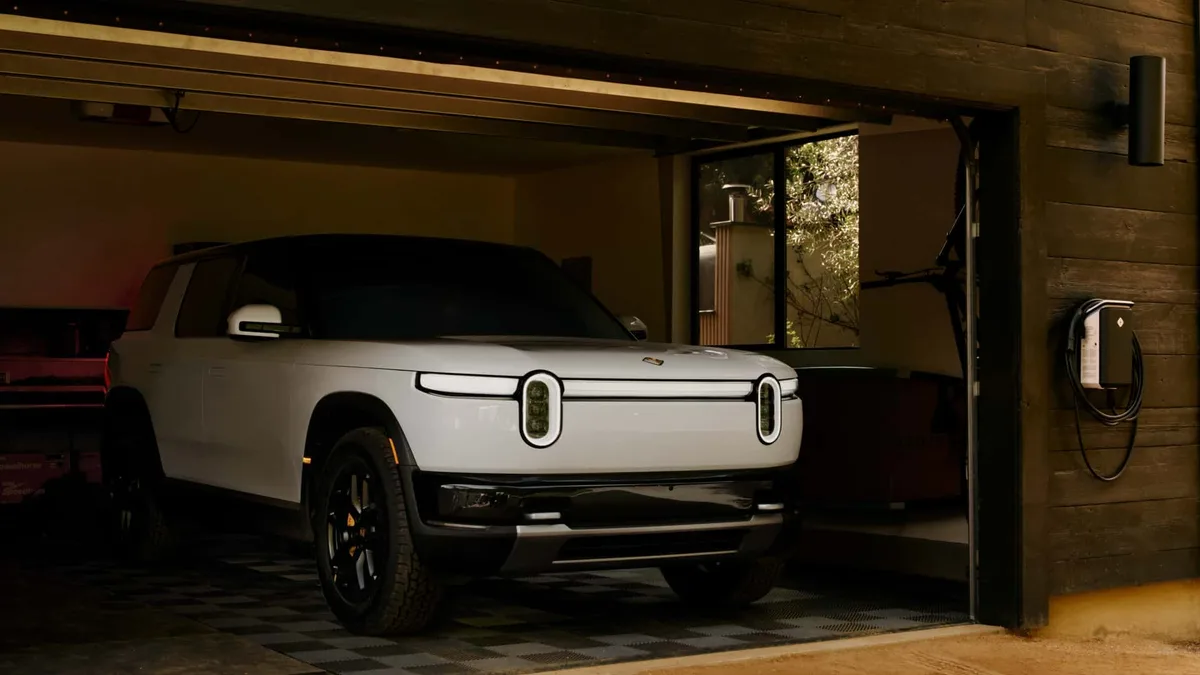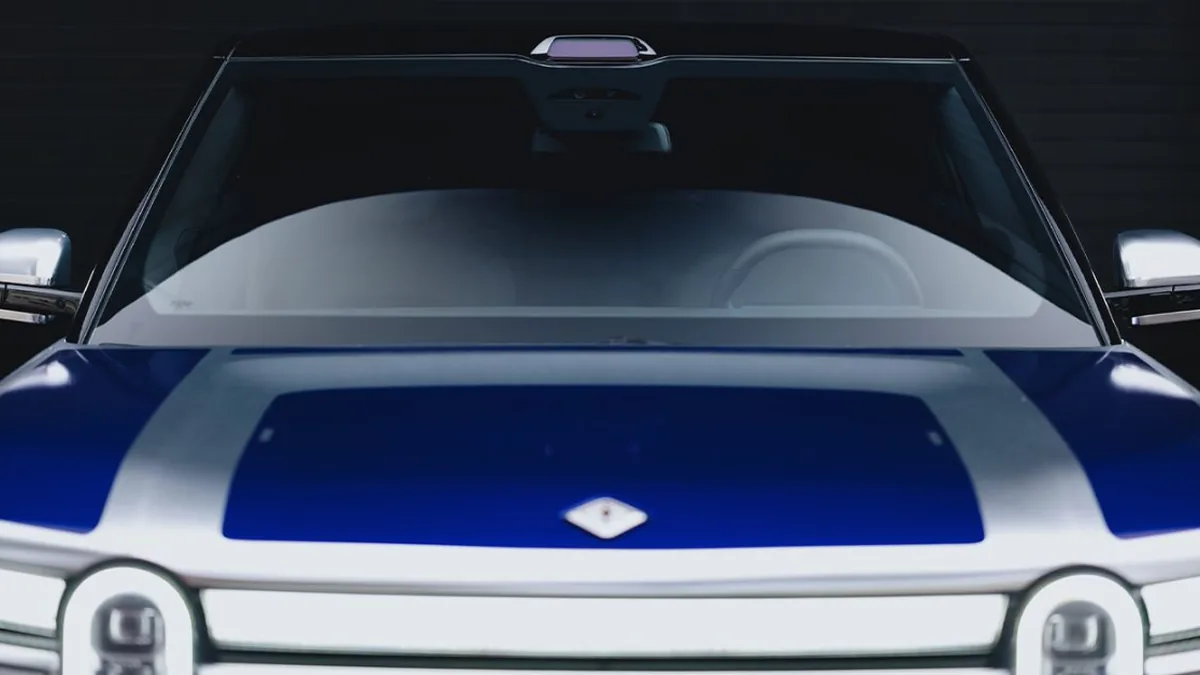
A Rivian R2 spotted with LiDAR is more than a prototype curiosity. The R2 is supposed to be Rivian's more accessible vehicle, so every visible sensor choice matters. If Rivian is testing LiDAR on or near the production-intent vehicle, it suggests the company is still deciding how much autonomy hardware belongs on a model that has to reach a wider market without losing the brand's technology appeal.
LiDAR remains one of the most divisive hardware choices in driver assistance. Some automakers see it as an important layer for depth perception and redundancy. Others argue that cameras and radar can do enough if the software is strong. Rivian does not need to settle that industry argument in public, but the R2's hardware will show how the company balances cost, design, and future autonomy ambitions.
The sighting also matters because the R2 has to carry Rivian beyond early-adopter pricing. A sensor that looks elegant and integrated is easier to justify than a bulky roof attachment, especially on a vehicle meant to compete for families and mainstream EV buyers. We recently covered how a Tesla Cybercab specs leak made autonomy hardware feel more concrete, and Rivian is facing a similar visibility test.
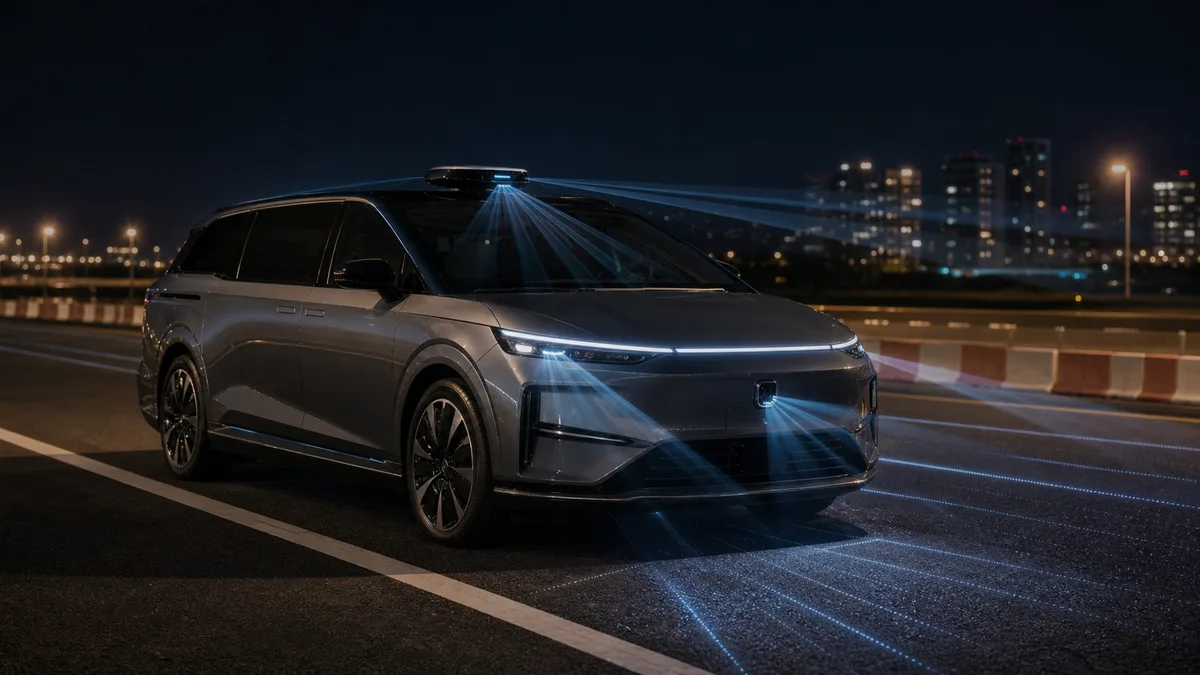
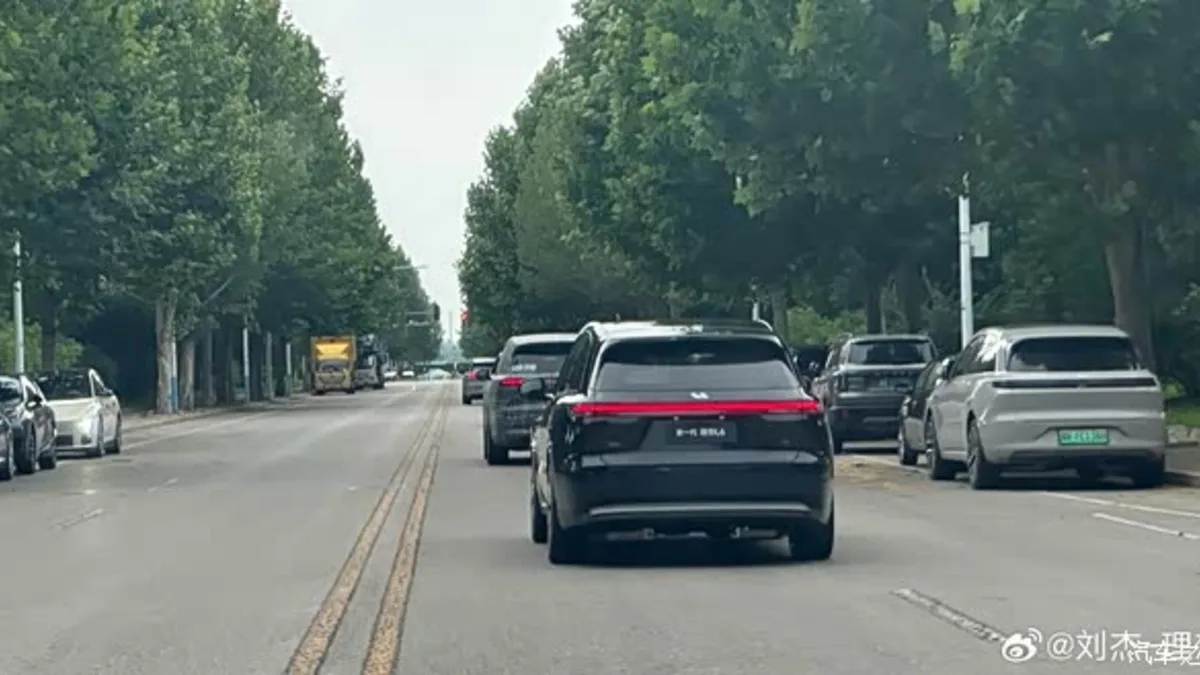
Electrek reports that a Rivian R2 was spotted with LiDAR near the company's headquarters, and that the integration looks cleaner than many LiDAR setups. A spotted prototype does not prove final production hardware, but it does reveal what Rivian is actively testing.
Cost is the obvious constraint. The R2 cannot become affordable if every advanced sensor pushes the price upward. Rivian may be testing LiDAR for higher trims, future software packages, validation vehicles, or limited features rather than making it standard on every unit. That would let the company keep a technology path open while preserving a more approachable entry price.
Design is the second constraint. EV buyers care about range, charging, interior space, and software, but they also notice awkward sensors. A cleaner LiDAR integration could help Rivian avoid the taxi-prototype look that some sensor-heavy vehicles have. If the sensor blends into the roofline or windshield area, it can support advanced features without making the R2 feel unfinished.
The software promise will need discipline. Hardware alone does not make a vehicle autonomous, and consumers are becoming more skeptical of vague self-driving claims. Rivian should be clear about what the R2 can do at launch, what might arrive later, and what requires driver supervision. A well-integrated sensor is useful only if the feature set is honest and reliable.
For now, the LiDAR sighting makes the R2's autonomy plan more visible without confirming the final package. It suggests Rivian is testing serious hardware options while trying to keep the vehicle attractive. If the company can combine clean design, careful pricing, and trustworthy driver-assistance software, the R2 could make advanced EV tech feel less like a luxury experiment and more like a mainstream feature.
The R2 is important because it has to scale Rivian's identity without making the brand feel ordinary. Autonomy hardware is one way to keep the technology story alive, but it has to support the vehicle's main promise: a smaller, more reachable adventure EV. Clean LiDAR integration would help only if it protects that broader mission.