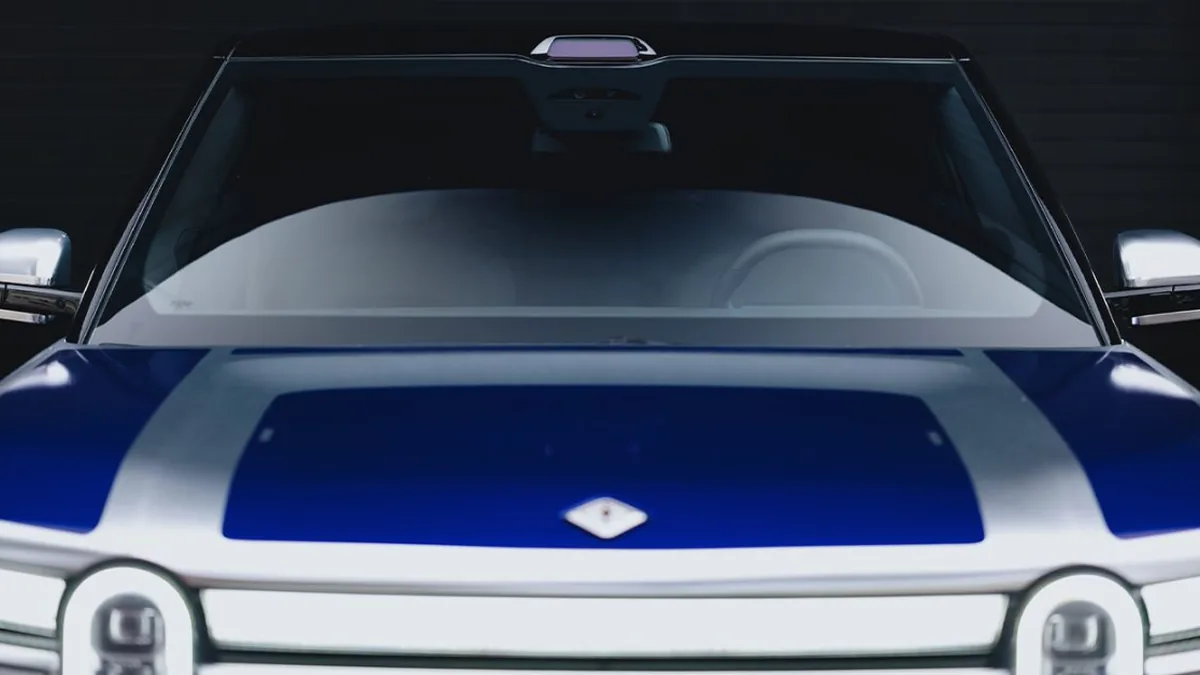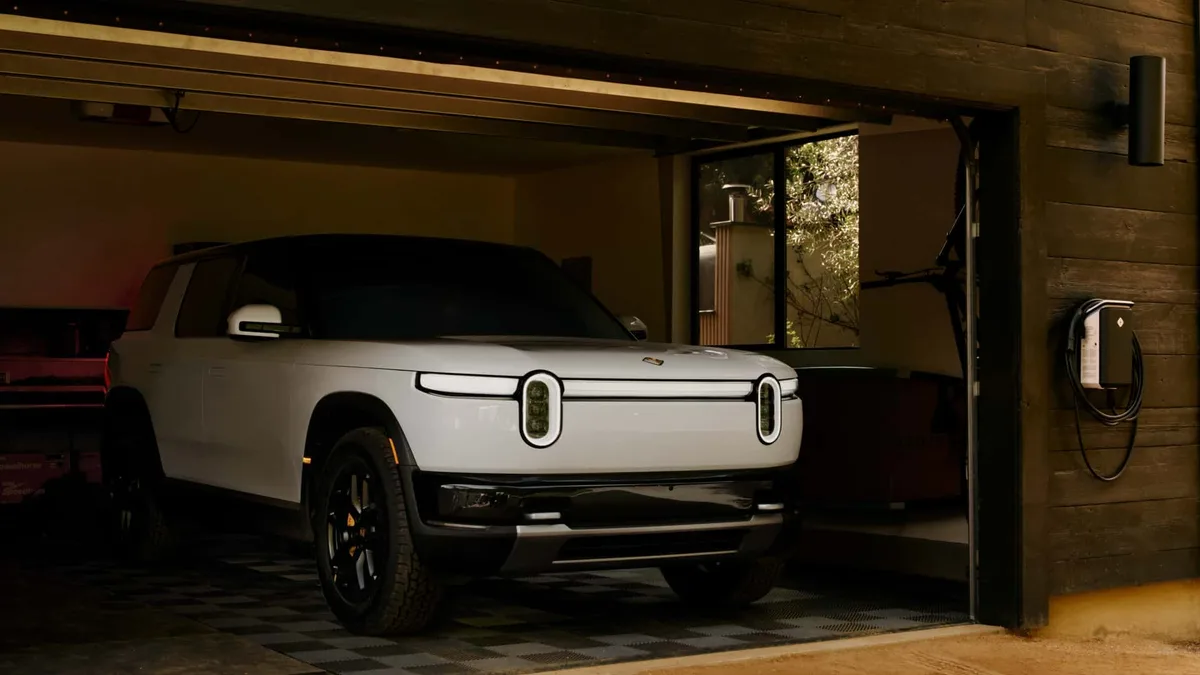
The Rivian R2 resale markup story says something useful about EV demand even before the model becomes widely available. When early pricing chatter or reservation interest turns into resale speculation, it usually means buyers see a gap between the vehicle they want and the supply they expect.
Rivian needs the R2 to be more than a smaller R1S. It has to prove the company can move closer to mainstream pricing while keeping the design character, adventure image, and software polish that made the brand stand out.
The report sits beside our look at Rivian R2 autonomy hardware sightings. One story is about sensors and product readiness; the other is about whether demand may run ahead of production.
InsideEVs framed the R2 resale angle around how quickly interest can show up in used-market expectations. That is a useful signal because EV launches are often shaped by allocation, wait times, regional availability, and early-owner flipping.
The practical risk is frustration. If customers expect an attainable electric SUV and then face markups, long queues, or scarce trims, some will wait while others will move to Tesla, Hyundai, Kia, Ford, or used luxury EVs.
For Rivian, controlled production ramp matters as much as hype. Strong demand is good, but only if quality, service capacity, and delivery communication keep pace. A messy launch can turn enthusiasm into complaints very quickly.
The resale angle also reveals confidence in the R2's position. Buyers appear to see it as one of the few EVs that could combine size, range, design, outdoor credibility, and a less intimidating price than Rivian's larger models.
There is still a speculative layer here. Asking prices do not always equal completed sales, and early-market signals can overstate what ordinary buyers will pay once more units arrive.
The next data to watch is reservation conversion, delivery cadence, trim mix, and whether early listings actually close above sticker. Those numbers will separate real scarcity from launch-week noise.
The R2 also sits in a price band where expectations are different from the R1S. Buyers may love the Rivian brand but still compare monthly payments, insurance, charging access, and service distance carefully. Markups can damage that value story if early scarcity makes the vehicle feel less attainable than promised.
Rivian's best defense is transparency. Clear delivery windows, honest trim availability, and visible production progress can keep reservation holders patient. If people feel they understand the timeline, they are less likely to reward speculative listings or assume that scarcity means the company is losing control of the launch.
The used-price signal also affects suppliers and investors. Strong early demand can support confidence in Rivian's next production phase, but it raises the stakes for manufacturing quality. A smaller, more affordable model has less room for expensive fixes, so the company needs demand, margin, and reliability to rise together.
The R2 matters because it could pull Rivian into a much larger market. If demand really is outrunning deliveries, the company has a good problem, but only if it can turn that interest into reliable, fairly priced vehicles.