Affordable EVs do not win only through price. They win when buyers believe the car will behave predictably on a bad day. That is why battery buffer testing matters. A spec sheet can list range, battery size, and charging speed, but drivers want to know what happens when the state of charge drops close to zero and the nearest charger is still a few miles away.
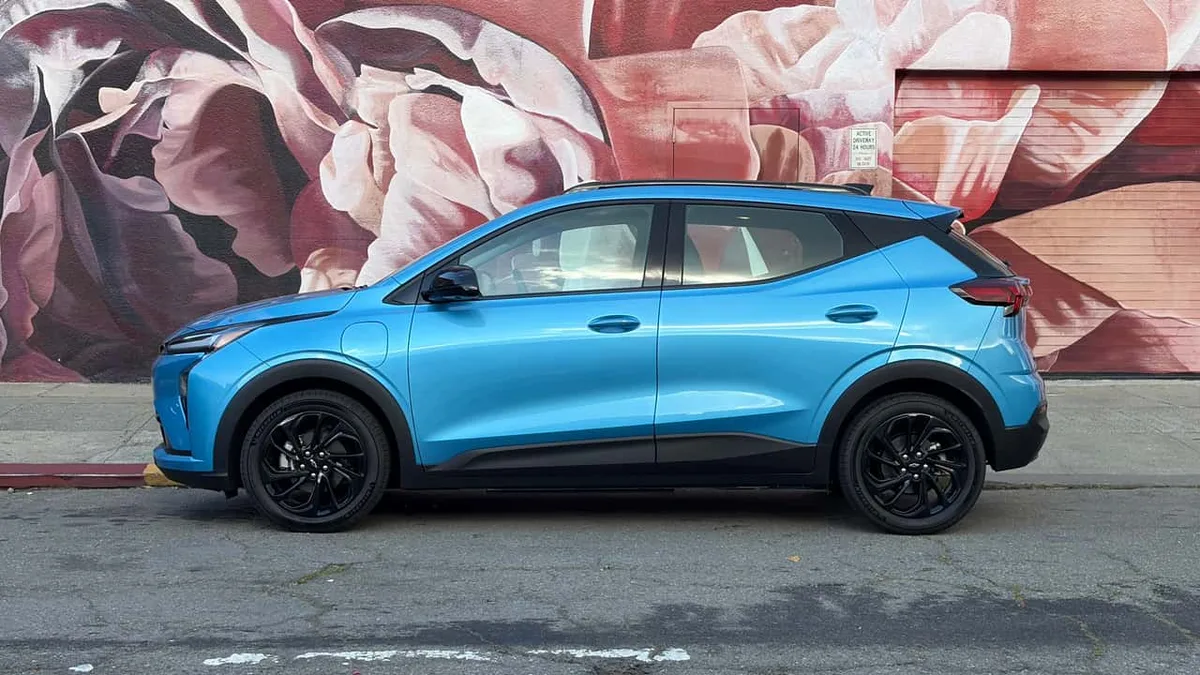
The new Chevrolet Bolt is important because the earlier Bolt helped prove that a relatively affordable EV could become a real daily car. The revived model has to do more. It has to compete in a market where buyers understand charging better, expect stronger software, and compare every EV against a growing list of used and new alternatives.
A low-charge drive test is not the same as a laboratory range figure. It shows how the car communicates with the driver, how much reserve is available, whether performance changes sharply, and whether the vehicle gives enough warning before it finally stops. Those details shape confidence. A nervous driver may recharge early and never use the full range, which effectively makes the car less useful than the official number suggests.
InsideEVs reported on the new Chevy Bolt being driven until it died to examine its battery buffer and reserve behavior. That kind of testing is valuable because affordable EV buyers often care less about peak acceleration and more about whether the car gives them honest information near the bottom of the pack.
The Bolt story also connects with our coverage of GM battery and vehicle-to-grid planning. Battery strategy is no longer only chemistry. It includes software, degradation control, charging behavior, reserve management, and how much of the pack the automaker lets the driver use.
Manufacturers face a delicate balance. A larger hidden buffer can protect battery health and avoid embarrassing roadside failures, but it can also make the advertised capacity feel conservative. A smaller buffer gives drivers more usable range but may increase stress near empty. The best approach is not necessarily the biggest reserve. It is clear communication that lets drivers make informed decisions.
This is especially important for entry-level EVs. Luxury buyers may have multiple vehicles, home charging, or more flexibility. A Bolt buyer may be using the car for commuting, school runs, weekend trips, and one-car household duty. Trust near the edge of range can decide whether the vehicle feels liberating or stressful.
The new Bolt will be judged on price, charging, range, and cabin technology, but its battery buffer behavior reveals something quieter. Mature EVs need to be understandable. They need to tell the truth under pressure. If Chevrolet can make the Bolt feel predictable when the battery is low, it will have solved one of the practical problems that still keeps some mainstream buyers cautious.
That predictability could matter more than a flashy headline number. Affordable EV shoppers often compare monthly payments, commute needs, charging access, and family confidence. A car that handles the final few miles gracefully can reduce anxiety in a way that marketing range cannot. The Bolt's job is to make electric driving feel normal, especially when conditions are imperfect.