EV battery health is one of the most important numbers owners care about, but it is also one of the easiest to misunderstand. Range estimates move with weather, driving style, tire choice, speed, charging habits and software calibration. A battery-health test can add clarity, yet even that number needs context. One worrying result can start a large conversation because batteries are the most expensive part of the vehicle.
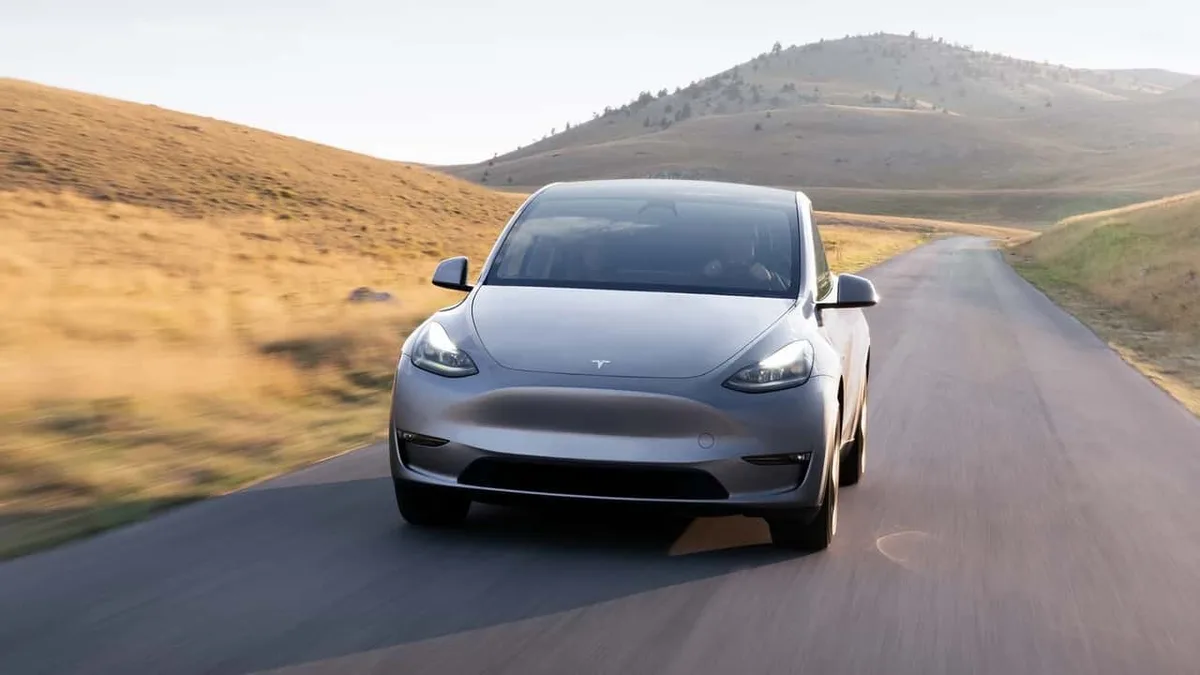
A recent low-mileage Tesla Model Y case is a good example. The headline concern is simple: after relatively modest use, the vehicle showed a battery-health result that the owner considered unacceptable. For potential EV buyers, that kind of story can be more persuasive than a spec sheet. It touches the core fear behind used EV shopping: what happens if the battery ages faster than expected?
InsideEVs reported that the 2025 Model Y had been driven for around 18 months and just over 13,000 miles before Tesla's own battery-health test produced the concerning result. The important detail is that this was not only a dashboard guess. It came from a formal diagnostic flow, which makes the owner reaction understandable.
The story connects with our earlier look at why battery intellectual property is becoming an EV advantage. Battery chemistry, pack design, thermal management and software are now competitive differentiators. Automakers can no longer rely on the general idea that EV batteries last a long time. They need to communicate how health is measured and what owners should expect.
One case does not prove a broad Model Y problem. Individual packs can behave differently, tests can be affected by calibration, and service departments may need to investigate before drawing conclusions. But individual cases still matter because they expose how little many owners understand about battery diagnostics. If the test result looks bad, the owner needs a clear explanation, not vague reassurance.
Used EV markets will make this issue more important. Buyers will increasingly ask for battery reports the way used-car shoppers ask for accident history. A simple percentage may not be enough. People will want to know usable capacity, fast-charging history, warranty status, temperature exposure and whether the vehicle has received software changes that affect range. The industry needs better standardization before confusion becomes a resale penalty.
Automakers should also be careful with range marketing. A big advertised range number helps sell new cars, but owners judge trust over years. If real-world health appears to fall quickly, even in isolated cases, the company must respond with transparent service processes. Battery warranties are useful, but they are not a substitute for good communication.
The Model Y degradation story is less about one vehicle than about the maturity of EV ownership. As electric cars become mainstream, battery health cannot remain a mystery box. Owners need understandable tests, service teams need consistent explanations, and buyers need confidence that range loss is being measured fairly. EV adoption depends on that trust as much as it depends on charging speed or sticker price.
Clear reporting would also help good packs get credit. If most vehicles age normally, standardized diagnostics can prove it and protect resale values. The same transparency that exposes weak cases can reassure cautious buyers that a used EV has been measured honestly rather than judged by dashboard range guesses.