Electric vehicles are gradually becoming more than transportation products. They are turning into batteries on wheels, grid assets, home backup systems, and energy management tools. That shift matters because it changes how automakers think about value. A car sold once can become part of an energy relationship that lasts for years.
General Motors' latest energy push points in that direction. Sodium-ion batteries are not a simple replacement for lithium-ion in every use case, but they can offer advantages around cost, materials, and supply diversity. Vehicle-to-grid technology adds another layer: the vehicle does not only consume electricity, it can send power back when the grid or a home needs it.
InsideEVs reported on GM's work around sodium-ion batteries and vehicle-to-grid technology. The important point is not one single battery chemistry. It is the broader ambition to make EVs fit into energy systems more intelligently, especially as charging demand and renewable power volatility grow together.
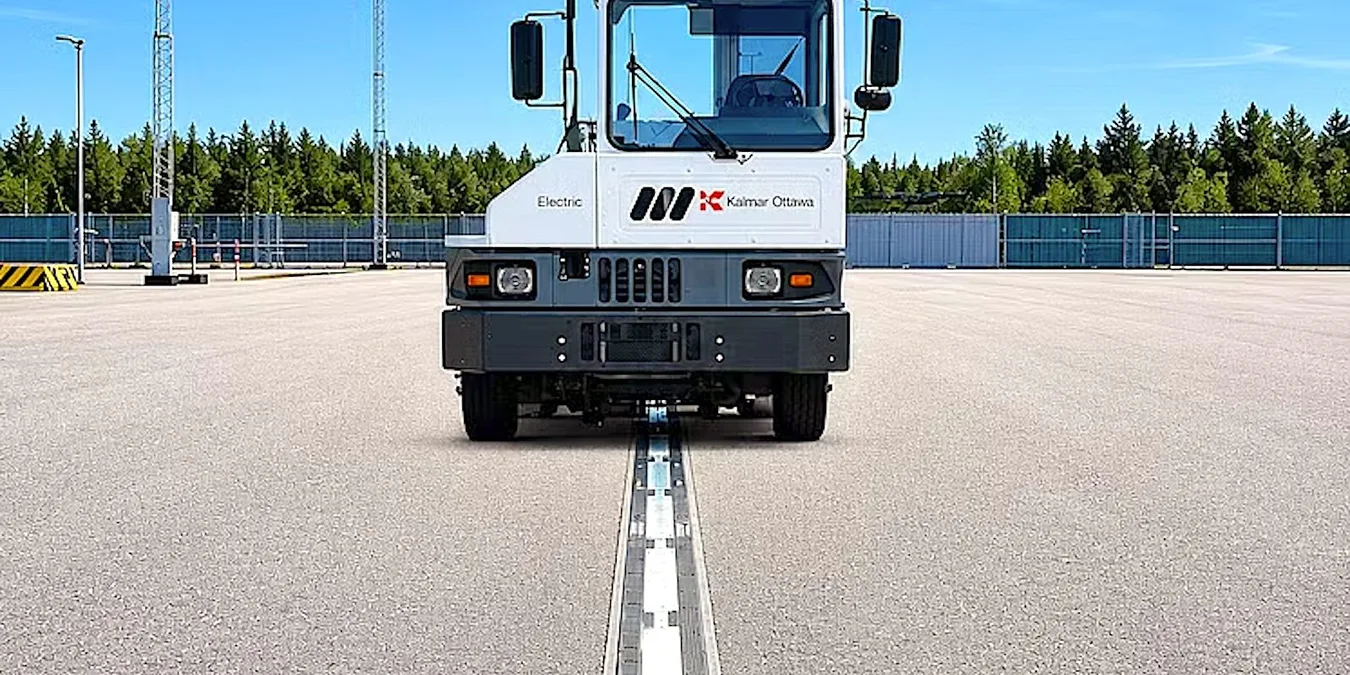
Industrial charging experiments are moving in a similar direction, as seen in our in-road charging coverage. Whether the vehicle is a passenger EV, a terminal tractor, or a fleet vehicle, the charging conversation is becoming more dynamic. The best setup may depend on site behavior, grid conditions, electricity pricing, and how predictable the vehicle's schedule is.
For homeowners, vehicle-to-grid sounds attractive because it turns a parked EV into backup power. For utilities, it could help smooth demand if enough vehicles participate. For automakers, it creates a chance to sell services, software, and energy products beyond the car itself. But the execution has to be simple. Most consumers will not tolerate a system that requires constant manual decisions or makes battery warranty questions confusing.
Sodium-ion batteries also need realistic positioning. They may be strongest where cost, safety, and supply chain resilience matter more than maximum energy density. That could include entry-level EVs, stationary storage, or specific fleet applications. The chemistry does not have to beat lithium-ion everywhere to be useful. It only has to solve the right problems at the right price.
The bigger story is that automakers are trying to escape the narrow definition of an EV as a plug-in version of a gas car. The next battle is about energy orchestration. If GM can make batteries, charging, home backup, and grid participation feel like one dependable system, it will be selling infrastructure, not just vehicles.
The hard part will be making the value visible. Vehicle-to-grid features can sound abstract until a customer sees a lower utility bill, backup power during an outage, or a fleet manager reducing peak demand charges. Automakers and utilities will need clean interfaces, understandable incentives, and warranties that do not make owners nervous about battery wear. If those pieces are confusing, the technology will remain a niche feature. If they are simple, EVs could become one of the most distributed energy assets the grid has ever added.
Dealers and installers will also become part of the story. Selling an energy-capable EV is different from selling a normal vehicle. Customers may need home hardware, utility enrollment, rate-plan guidance, and clear safety explanations. If automakers want these features used, they must make the buying and installation process feel as dependable as the car itself.