Electric aviation has always had a simple promise and a stubborn physics problem. Motors can be efficient, clean, and mechanically simpler than turbines, but batteries are heavy. For aircraft, weight is everything. That is why solid-state battery progress matters: even incremental gains in energy density, safety, and thermal behavior can open use cases that conventional batteries struggle to reach.
A crewed solid-state flight does not mean electric airliners are around the corner. It does mean the technology is moving from concept toward demonstration in a domain where proof matters. Flying with people aboard changes the credibility of a claim. It forces questions about safety, certification, endurance, charging, and system integration.
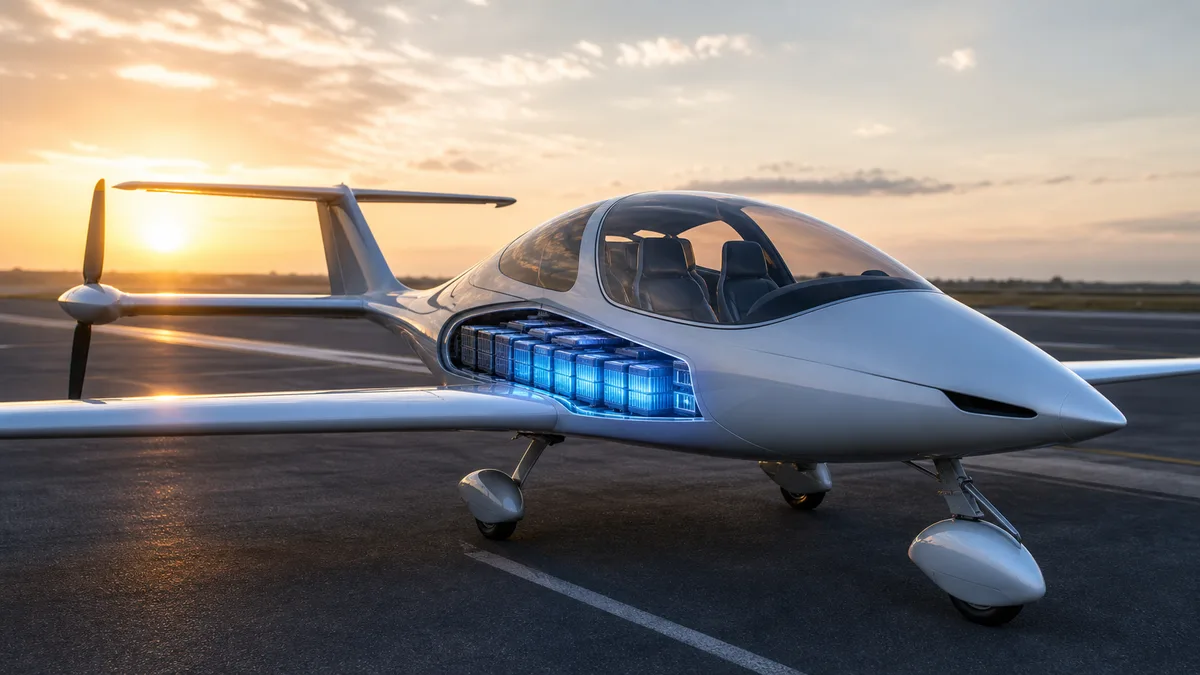
Slashdot highlighted the reported first crewed, fixed-wing flight powered by solid-state batteries. The milestone is best understood as a signpost. It suggests electric aviation may advance through focused aircraft categories before it challenges long-haul commercial flight.
The story belongs next to the broader space and transportation shift we covered in the SpaceX IPO analysis. Both show that hard transportation technology is attracting more attention as infrastructure, not just as invention. The difference is that aviation has a stricter weight and certification burden, so progress often arrives in narrower steps.
Short-hop aircraft, trainers, regional mobility, cargo drones, and specialized utility flights may be the early beneficiaries. These categories can tolerate limited range if the economics, maintenance profile, and noise benefits are strong enough. Electric propulsion could make some flights cheaper and quieter even before it becomes suitable for mainstream passenger aviation.
Solid-state batteries still have to prove manufacturability, cycle life, charging behavior, and cost. Aviation adds another layer: reliability must be demonstrated under demanding operating conditions, not just in a lab or road vehicle. A battery failure in the air is a different category of risk, so certification will move carefully.
That caution should not hide the importance of the milestone. Electric aviation will not arrive all at once. It will arrive through credible tests, small aircraft, tighter routes, and hard-earned safety data. A crewed solid-state flight makes the path feel more concrete, even if the destination is still years away.
The most realistic near-term impact may be cultural as much as technical. Aviation is conservative for good reasons, and new propulsion ideas need repeated demonstrations before they are trusted. A crewed flight helps move solid-state electric aircraft from presentation slides into the world of pilots, regulators, insurers, and operators. That does not guarantee commercial success, but it changes the conversation. The industry can begin asking operational questions instead of only theoretical ones. For a technology this difficult, that shift is meaningful progress.
Airports and training schools could be early proving grounds. They have predictable routes, maintenance routines, and operators who understand aircraft limitations. If solid-state electric aircraft can earn trust there, the data will be more persuasive than broad promises. Electric aviation needs patient deployment, and small operational wins may matter more than dramatic forecasts.
The useful signal is steady credibility, not hype. Aviation progress earns trust one verified flight at a time.