Electric heavy trucks are often judged by the wrong question. People ask whether they can replace every diesel route immediately, and the answer is still no. But fleets do not change all routes at once. They look for lanes with predictable distance, depot charging, repeatable payloads and enough operating hours to justify a new vehicle class. That is where battery-electric semis are starting to find real work.
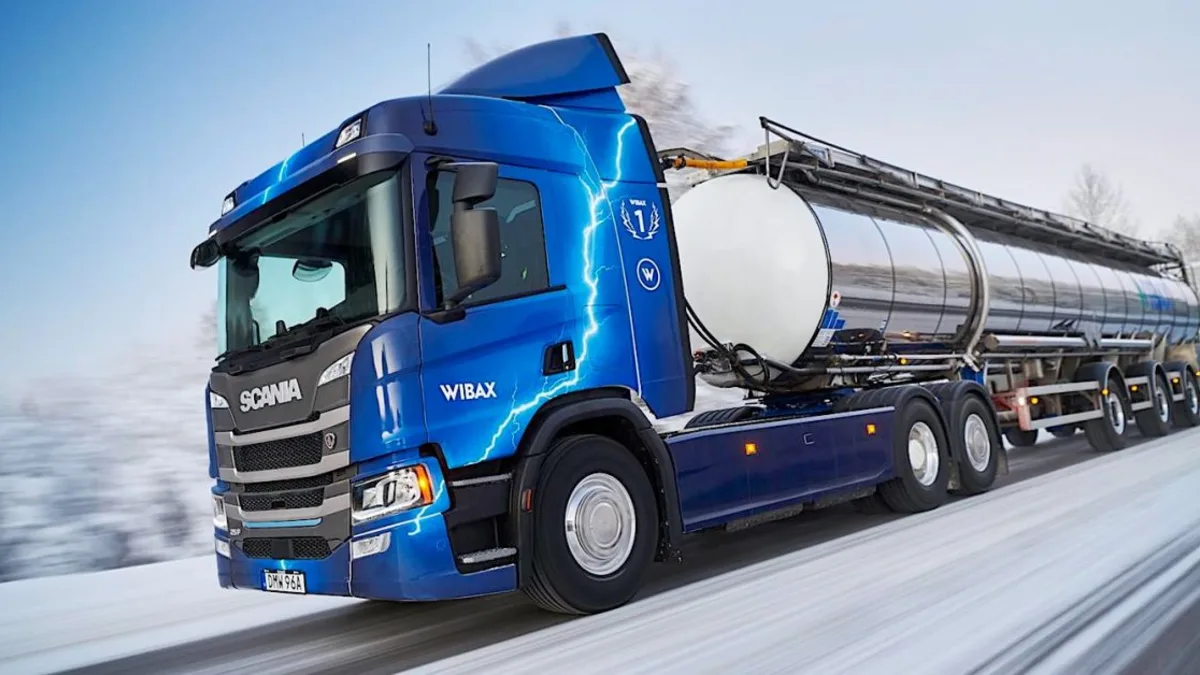
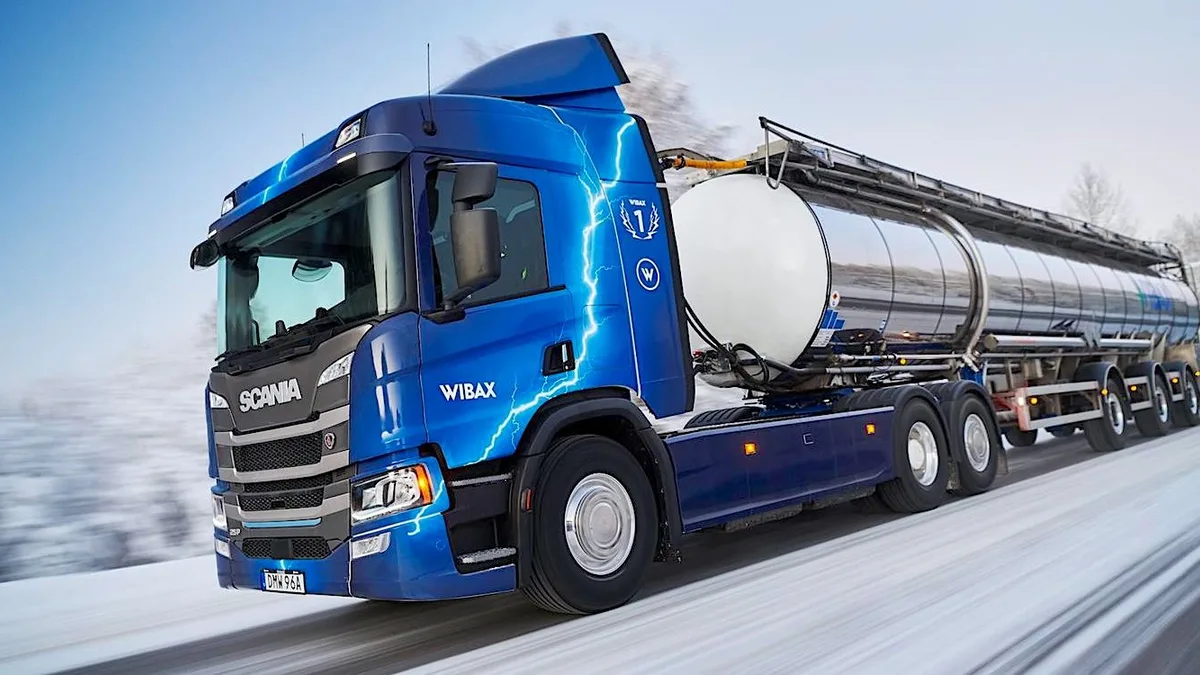
A 105-unit order for Scania electric semis matters because it moves the conversation away from one-off demonstrations. A few test trucks can be a marketing project. More than 100 vehicles require charging plans, maintenance training, driver scheduling, route design and financing. That kind of deployment forces the operational details into the open, which is exactly what the heavy EV market needs.
Electrek reported that Swedish bulk transport specialist Wibax placed the order with Scania for battery-electric trucks. The buyer is important because bulk logistics usually values reliability, uptime and predictable cost more than novelty. If a fleet operator is willing to plan around electric semis at this scale, it suggests the business case is becoming more specific and less experimental.
The same practical lens appeared in our coverage of GM's sodium battery and vehicle-to-grid push. EV adoption is no longer only about the vehicle; it is about what the vehicle can do inside a broader energy and operations system. Heavy trucks make that even clearer. Charging windows, grid contracts and depot equipment can matter as much as motor torque.
Electric semis have strong advantages on the right routes. Depot-based charging can reduce dependence on public infrastructure. Regenerative braking can help in stop-and-go or regional duty cycles. Electric drivetrains reduce some maintenance items. Drivers may also benefit from quieter operation and smoother acceleration. Those advantages do not erase battery weight or charging time, but they can create a better total-cost equation in carefully selected lanes.
The challenge is that fleets must manage energy like fuel and infrastructure at the same time. A diesel truck can refuel quickly almost anywhere. An electric truck needs planned charging capacity, backup options and software that understands dispatch timing. That shifts some fleet expertise from procurement to energy management. Operators that learn this early may gain an advantage as regulations and customer emissions requirements tighten.
Scania also benefits from a regional context where electric logistics can be supported by European policy, shorter route structures and corporate climate commitments. The U.S. market may follow a different timeline because distances, charging availability and incentives vary widely. But the lesson travels: electric heavy trucking works first where routes are controlled and downtime can be designed around.
The Wibax order does not mean diesel semis are suddenly obsolete. It means the replacement map is becoming clearer. Battery-electric trucks are starting to claim the routes where their strengths are obvious and their weaknesses can be planned away. That is how industrial technology usually scales. It starts with the jobs where the math works, then expands as infrastructure, batteries and operating confidence improve.
The next proof point will be utilization. If these trucks stay busy, charge predictably and reduce operating friction, other bulk and regional fleets will have a stronger reason to copy the model.