Scania's 105-unit electric semi truck order is the kind of fleet news that matters more than a flashy prototype. Demonstration trucks are useful, but they do not prove commercial readiness. A bulk order from a transport operator means the vehicle, charging plan, routes, and business case have passed a more serious test.
Heavy transport is one of the hardest parts of the EV transition because trucks have to earn money. Downtime, payload, charging speed, route predictability, battery weight, driver scheduling, and depot infrastructure all matter. A company buying more than 100 electric semis is not doing it only for publicity. It is betting that the numbers can work in daily operations.
The Wibax order also shows why regional freight is likely to electrify before every long-haul route. Many fleet operators know their daily mileage, depot locations, loading patterns, and return-to-base schedules. That makes charging easier to plan than for private drivers roaming unpredictably. Electric trucks can make sense first where logistics are structured.
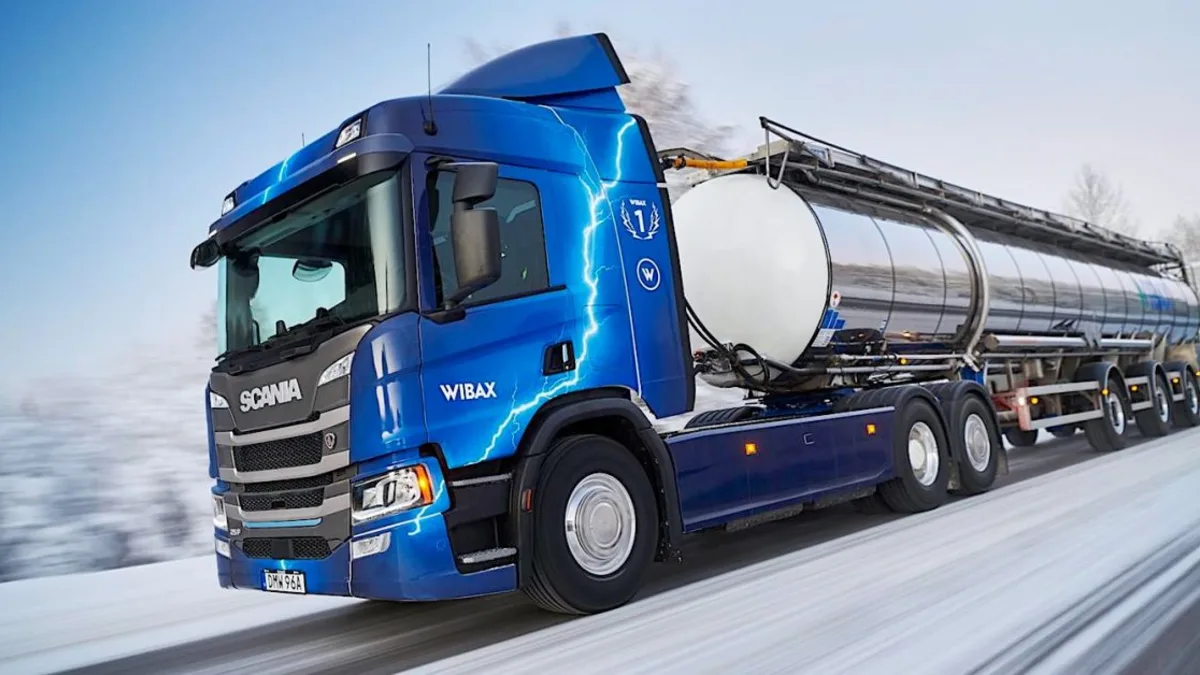
Electrek reported that Wibax has placed a landmark order for 105 battery-electric Scania semi trucks to work on European roads. The deal is significant because it moves beyond a handful of trial vehicles and into fleet-scale deployment.
The order pairs well with other commercial electrification stories, including our coverage of the Maxus eTerron 9 EV pickup debut. Commercial and utility buyers are increasingly being offered electric options that are not just compliance vehicles. They are tools meant to do real work.
Infrastructure remains the core challenge. A fleet can buy trucks only if it can charge them reliably. That means depot chargers, grid capacity, route planning, driver training, and maintenance readiness. The truck itself is only one part of the system. Scania and Wibax will need the surrounding operation to be as mature as the vehicles.
Total cost of ownership will decide whether more fleets follow. Electric trucks can reduce energy and maintenance costs, but upfront prices are high and charging infrastructure is capital intensive. If Wibax can show predictable savings and reliable uptime, the order becomes a reference case for other operators. If there are delays or utilization problems, skeptics will point to them quickly.
The 105-truck order is still not proof that every diesel semi is about to disappear. It is proof that fleet electrification is entering a more practical phase. The next step is not more concept trucks. It is more route data, more depot charging, and more companies willing to place orders large enough to change the roads they operate on.
The Scania deal also highlights a quiet advantage of commercial EVs: the buyer often controls the environment. A private EV owner depends on public chargers, apartment rules, and personal travel patterns. A fleet can build depot charging, assign vehicles to known routes, monitor energy use, and train drivers around a repeatable schedule. That control makes electric trucking more realistic than many people assume. The technology still has limits, but structured operations can turn those limits into planning variables instead of daily surprises.
That is why orders like this deserve attention. They show where electrification is moving from ambition into procurement, scheduling, charging contracts, and daily accountability.