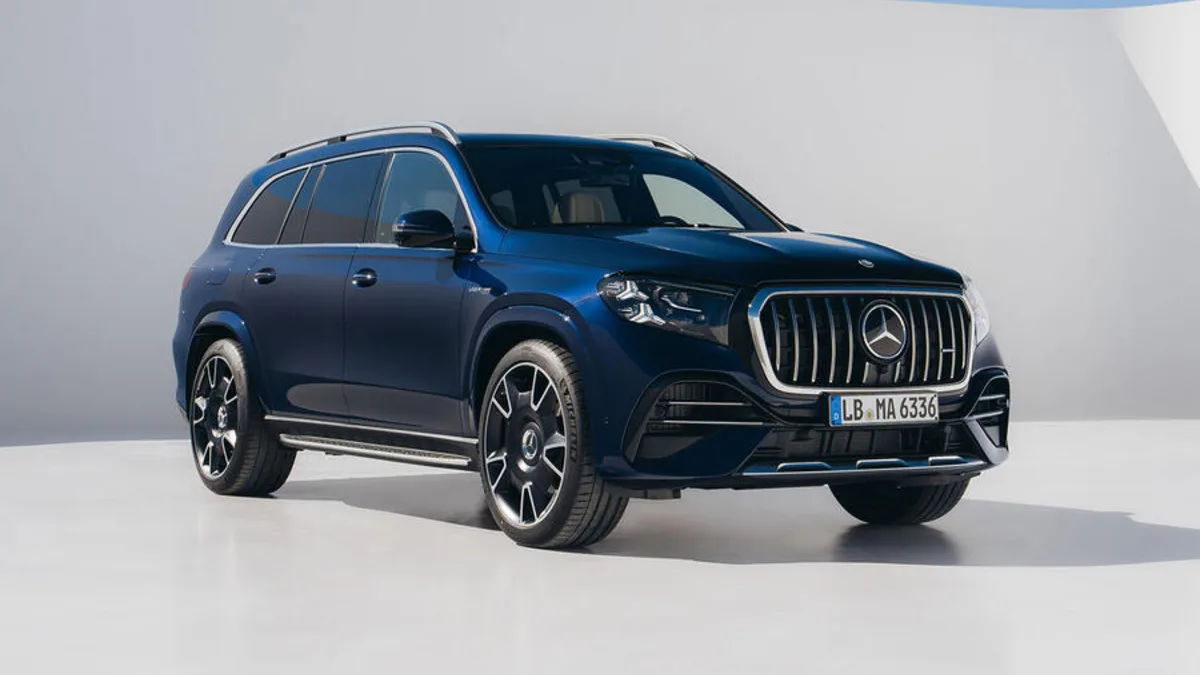
Mercedes-AMG is keeping the big V8 performance SUV alive, and the latest GLE and GLS update shows exactly how the brand wants to do it. Instead of treating electrification as a reason to make every flagship SUV quieter and more distant, AMG has given its largest performance models a new flat-plane-crank twin-turbo V8 with mild-hybrid support. The result is a release aimed at buyers who still want muscle, noise and status in a large luxury SUV package.
The headline number is 627bhp, but the more important point is positioning. The GLE and GLS sit in different parts of the luxury SUV market. The GLE is the more athletic mid-size choice, while the GLS is the larger, more expensive family flagship. Giving both models the same upgraded performance language lets AMG keep its SUV range coherent while still serving customers who need space, towing ability, long-distance comfort and serious acceleration.
Autocar reported that Mercedes-AMG has upgraded the flagship GLE and GLS versions with the new M117 Evo powerplant as part of mid-life updates. The report also notes the engine is meant to improve driveability and efficiency, which matters because large performance SUVs now have to defend themselves on more than peak output.
The update fits the broader performance-EV tension we covered in our BMW M Neue Klasse concept analysis. BMW is previewing a future where electric torque and software define the M experience. AMG is taking a different route here by making the V8 feel more advanced without removing the emotional part of the product. Both strategies are responses to the same problem: performance brands must modernize without losing their identity.
The mild-hybrid layer is important because it gives AMG a way to smooth the engine, support low-speed response and manage emissions expectations without turning these SUVs into plug-in hybrids. That choice may appeal to buyers who do not want to think about charging but still expect modern refinement. It also keeps the character simpler. A big AMG SUV should feel immediate, not like a puzzle of modes, battery states and engine wake-up behavior.
For GLS buyers, the update also matters as a status signal. The biggest Mercedes SUV has to compete with the BMW X7, Range Rover, Porsche Cayenne Turbo variants and high-end electric SUVs. A stronger AMG version makes the GLS feel less like a chauffeur box and more like a performance flagship. That matters in markets where buyers want one vehicle to serve family, business and enthusiast roles at once.
The risk is weight and price. A powerful V8 cannot hide the size of these SUVs, and buyers should expect the best version to be expensive to buy, fuel and maintain. But AMG customers already understand that compromise. The question is whether the updated engine and cabin refinements make the vehicles feel special enough to justify the premium over regular GLE and GLS models.
This release shows Mercedes-AMG is not ready to surrender the big-engine SUV market. The new GLE and GLS update gives loyal AMG buyers a clearer bridge between old-school character and modern regulation. It may not be the future of every performance vehicle, but for buyers who still want a flagship SUV with a serious V8, it keeps the category alive for another cycle.