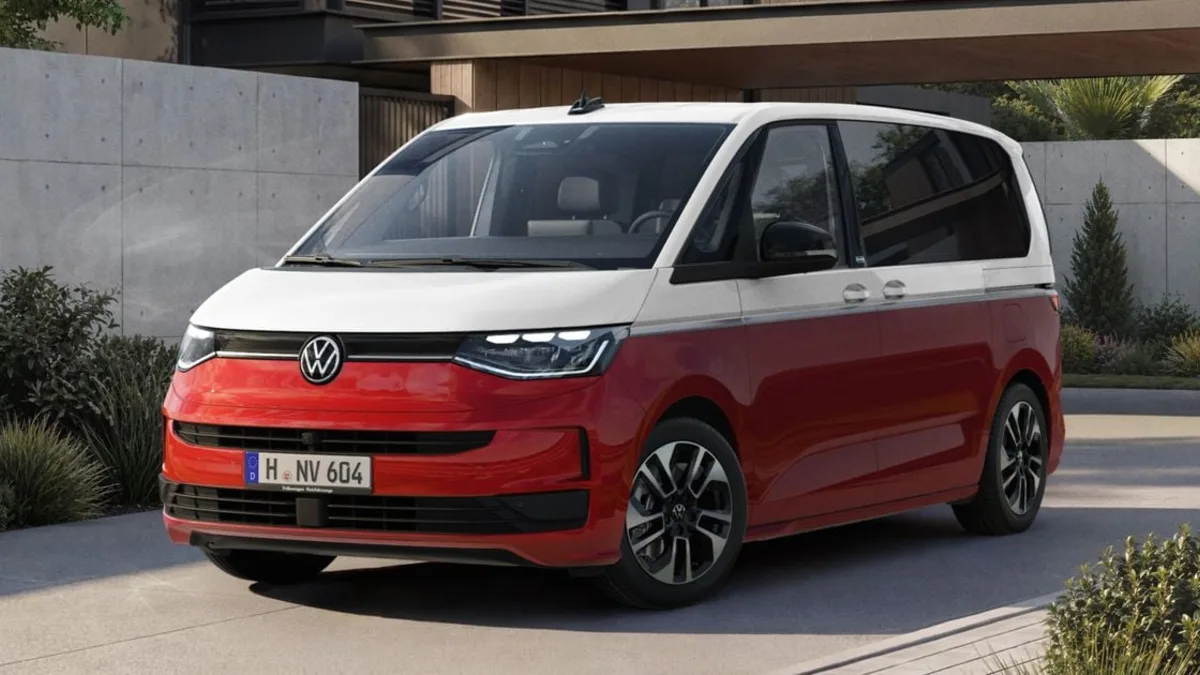
Volkswagen's Multivan facelift is a useful reminder that not every important release has to be a dramatic new SUV or sports car. People movers do serious work in Europe, serving families, shuttle fleets, business users, outdoor buyers and anyone who needs space without moving into a commercial van. The 2027 Multivan and Caravelle refresh keeps that practical role intact while giving the model a cleaner face and a revised cabin.
The exterior change appears measured rather than radical. That is the correct approach for this kind of vehicle. Multivan buyers usually want a product that feels modern and durable, not a design experiment that dates quickly. A sharper front end can make the van look more current, but Volkswagen still needs to preserve the upright proportions and usable packaging that make the model valuable in the first place.
CarExpert reported that the Volkswagen Multivan and Caravelle have been refreshed in Europe with a new face and revised interior. The cabin update is the key part for daily use because vans are judged by seating flexibility, visibility, storage, access and how easy the controls are for drivers who may spend long hours behind the wheel.
The release sits in the same practical-vehicle lane as our coverage of the Scania electric semi order. The vehicles are very different, but both stories show that transportation technology does not only move through glamour segments. Vans, people movers, pickups and trucks often reveal what buyers actually need from new hardware.
The Multivan also has to live in a market where SUVs have taken over many family roles. Volkswagen's advantage is that a van can still do things an SUV cannot. Sliding doors make school runs easier. A low, flat cabin makes third-row access more natural. Cargo space remains more honest. For buyers who prioritize function over image, the Multivan shape still has a strong argument.
Interior revisions will matter because Volkswagen has faced criticism in recent years over touch-heavy controls and cabin usability. If the updated Multivan improves ergonomics, materials or infotainment logic, it could feel like more than a cosmetic facelift. Families and fleet operators notice small cabin frustrations quickly. A van with clearer controls can be easier to recommend than one with a flashier screen.
Europe is also a difficult environment for people movers because emissions rules, city access policies and fuel costs keep changing. Volkswagen needs the Multivan to work across private and commercial use cases without becoming too expensive or too complicated. That means efficient powertrains, sensible service costs and enough technology to feel modern without overwhelming the buyer.
The 2027 Multivan facelift is not about reinventing the van. It is about protecting a useful format in a market obsessed with SUVs. If Volkswagen has sharpened the design and improved the interior without weakening the vehicle's core practicality, the updated Multivan should remain one of the more relevant family and shuttle choices in Europe.
The next thing to watch is how Volkswagen prices the refreshed range across passenger and commercial trims. A van can win loyalty for years when the ownership math is clear, but it can lose buyers quickly if the useful options push it too close to premium SUV money.