The latest Siri AI testing report is interesting because Apple's assistant problem has always been practical, not theoretical. People do not need Siri to sound futuristic for five minutes. They need it to understand messy requests, work across apps, remember context, and complete ordinary tasks without requiring a second attempt.
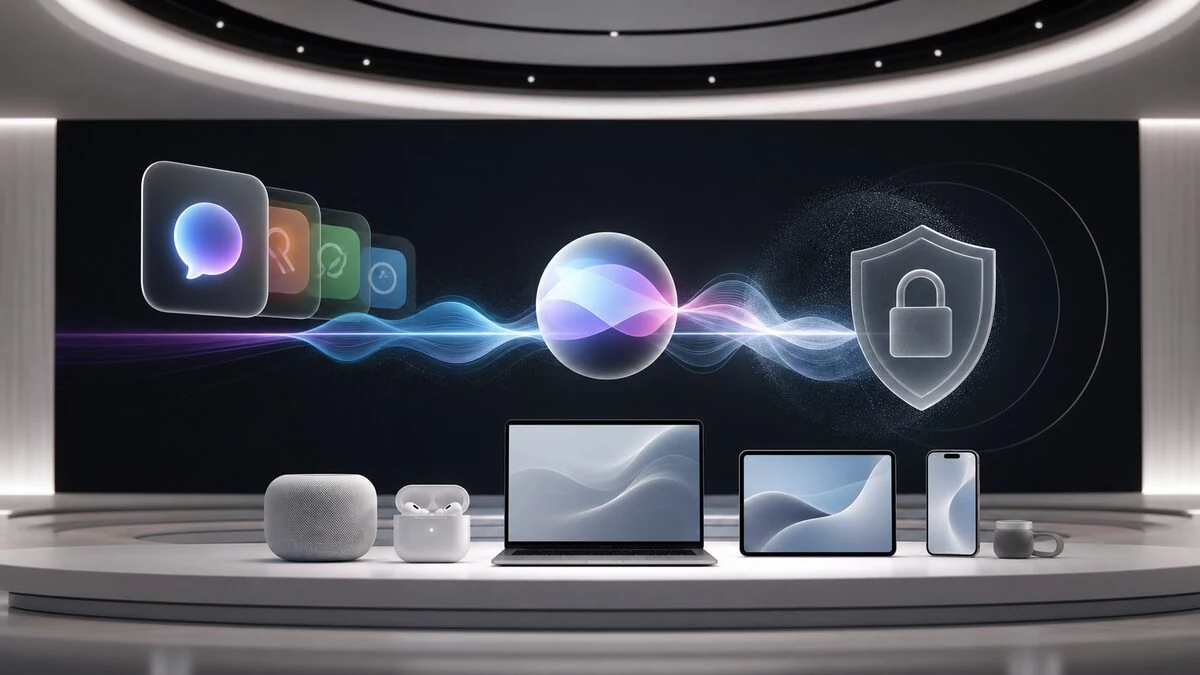
Apple has more to gain than most companies if it gets this right. The iPhone, Mac, Watch, AirPods, and iPad already surround the user. A more capable assistant could tie those devices together in a way that feels private and useful rather than loud.
The story fits with our coverage of Apple wearable ambition. If Siri improves, accessories like AirPods and Watch models become more valuable because voice and context can travel across the whole ecosystem.
Tom's Guide reported the testing angle around new Siri AI features, which is a useful sign because Apple tends to move slowly when privacy, app control, and user trust are involved. Testing does not equal launch, but it does show the assistant work is becoming concrete.
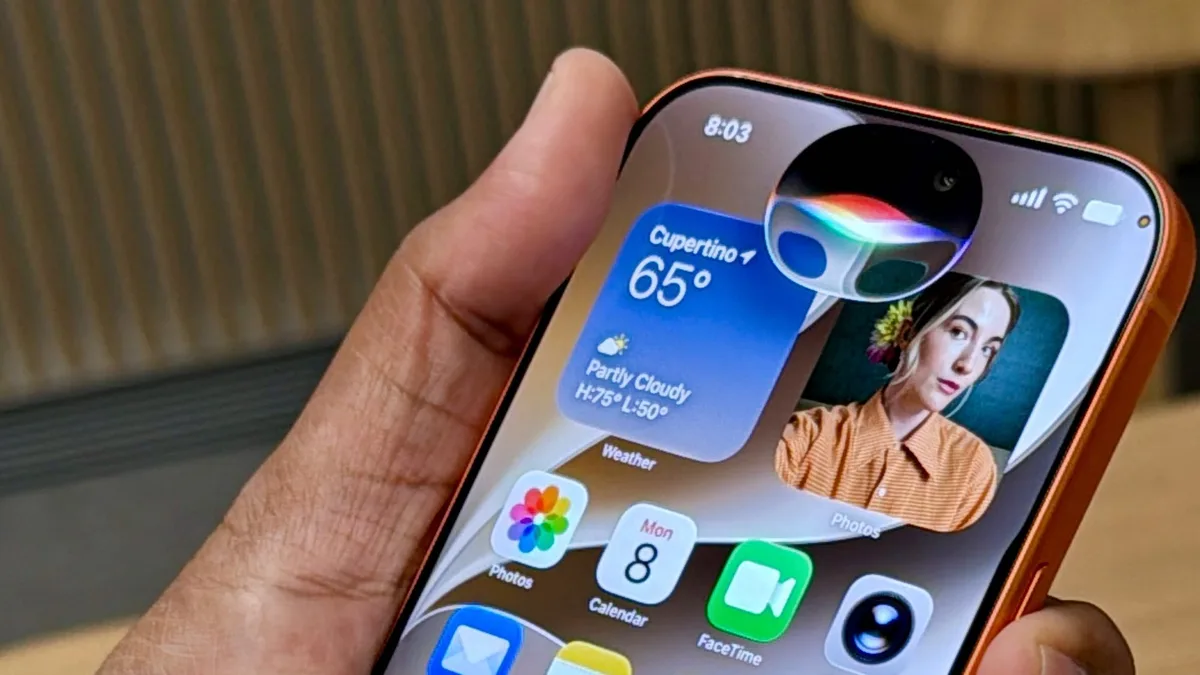
The core feature to watch is action. A better chatbot inside Siri would be nice, but the real upgrade is making the assistant operate apps, understand on-screen context, retrieve personal information safely, and ask for confirmation only when it should.
Privacy is Apple's best argument and hardest constraint. On-device processing can protect sensitive context, but complex assistant tasks may still need cloud help. Apple has to make that handoff understandable without turning every request into a policy lesson.
Developers will also matter. If Siri can perform deeper app actions, third-party apps need clear ways to expose functions and data safely. Otherwise the assistant will work beautifully in Apple apps and feel limited everywhere else.
The risk is expectation. Users have heard promises about smarter assistants for years. If the upgraded Siri launches with a small list of supported actions, Apple will need to communicate carefully so people do not expect a universal agent on day one.
The next credible signal is developer documentation, beta behavior, or app-intent changes that show how much control Siri will actually receive. Those clues are more useful than a polished demo.
Apple's advantage is that it controls both hardware and many default apps, which gives Siri possible context that rivals cannot access as smoothly. The danger is that Apple may move so cautiously that users see only small improvements while competitors train people to expect more adventurous assistants.
The best version of the upgrade would feel almost invisible. Siri should know when to read the screen, when to ask permission, when to open an app, and when to stop because the request touches sensitive data. That kind of restraint is harder to market than a flashy demo, but it is what makes assistants trustworthy.
Language support will also decide how global the upgrade feels. Siri has to work across accents, mixed-language households, regional app habits, and local services. Apple can impress English-speaking reviewers and still disappoint many users if the assistant's most capable features arrive slowly outside a few major markets.
The report suggests Apple is moving toward the version of Siri people wanted all along: less of a voice search box, more of a quiet operator for the device in your hand.