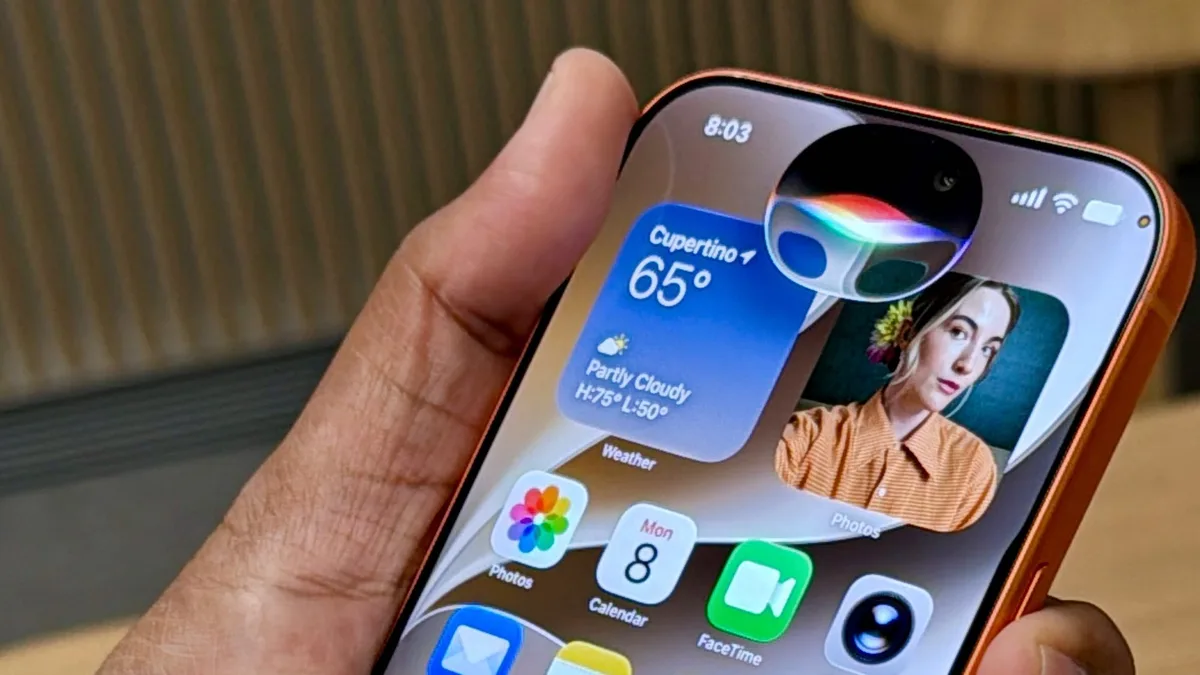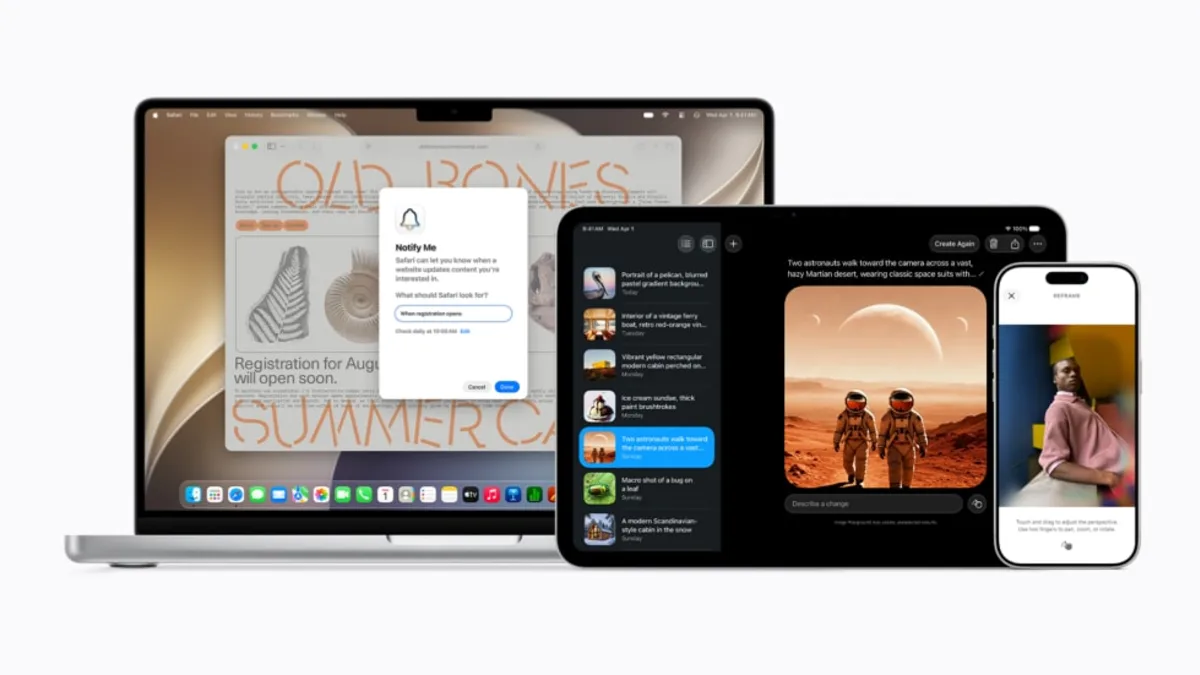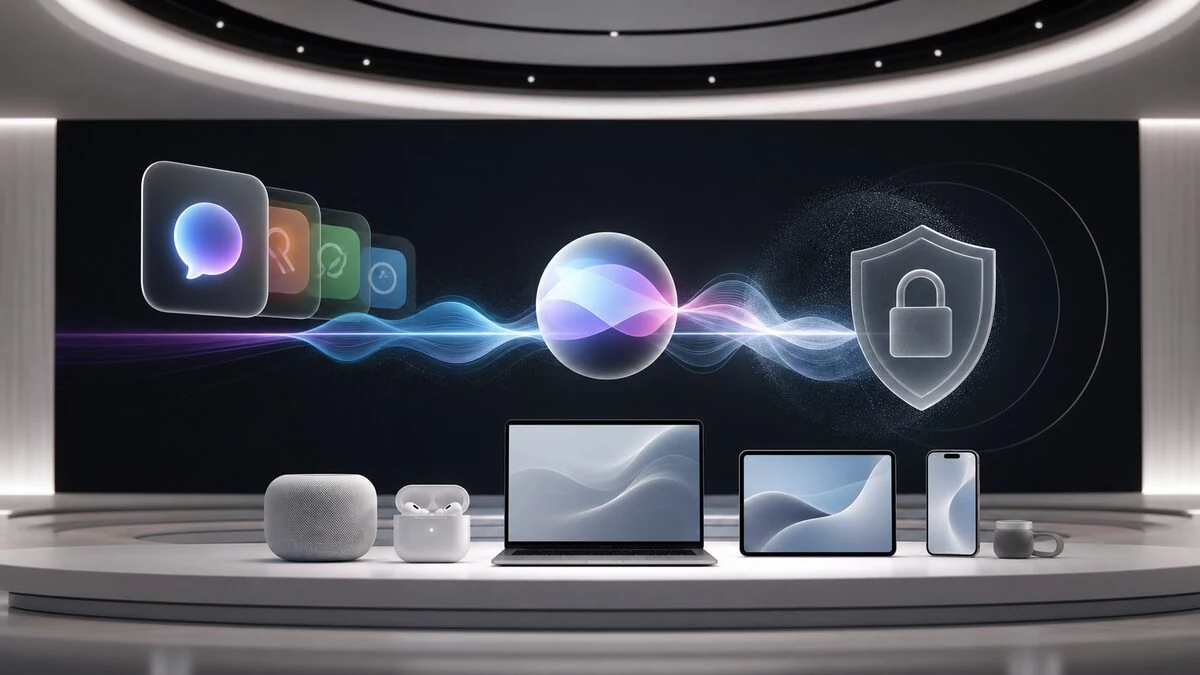
Apple's next developer conference is carrying more AI pressure than usual. TechCrunch previewed WWDC 2026 as a software event where Siri's long-awaited revamp, Apple Intelligence updates, AI agent integrations, and app-level AI features are expected to take center stage.
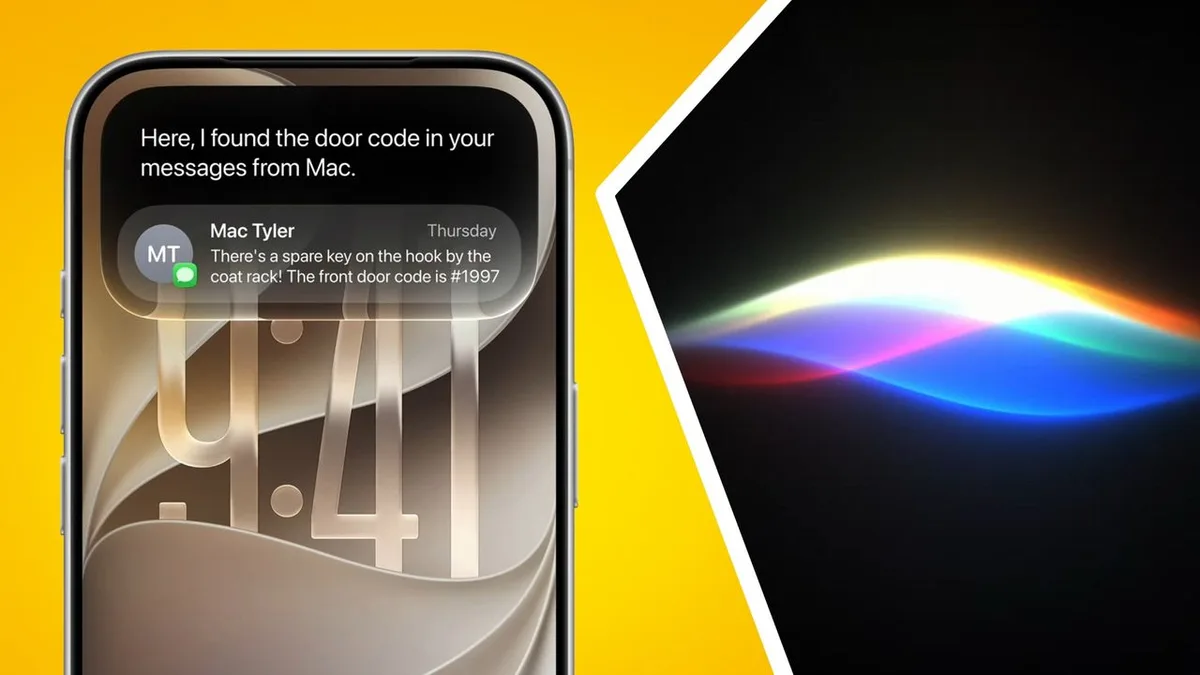
The reason people are watching so closely is not hard to understand. Apple introduced Apple Intelligence with big promises, but Siri has remained the symbol of unfinished business. If WWDC 2026 delivers a more conversational Siri that understands context, handles multi-step requests, and works across apps, Apple can finally make its AI story feel less defensive.
This also connects with the broader mobile software cycle. Android is pushing ahead with its own AI layers, and our Android 17 beta coverage showed how fast platform-level AI and system testing can become part of the phone upgrade story.
What Apple needs to prove
The biggest question is whether Apple can make AI feel deeply native without making it feel invasive. Users will want Siri to understand their screen, calendar, messages, photos, and apps. They will also want to know when that information stays on the device, when it goes to cloud processing, and what controls they have over memory and history.
| Expected area | Why it matters | What to watch |
|---|---|---|
| Siri revamp | Apple needs a modern assistant, not a command parser. | Context, follow-up questions, and multi-step actions. |
| AI agents | Users want help finishing tasks, not just drafting text. | How much control Apple gives third-party apps. |
| Photos and Camera | Visual AI is one of the easiest consumer use cases. | Object recognition, editing, and natural-language fixes. |
| Privacy controls | Apple's brand depends on trust. | Clear memory, deletion, and processing settings. |
The agent piece may be the most important long term. If users can ask Siri to book, edit, summarize, move, compare, and coordinate across apps, Apple gets a new reason to keep people inside its ecosystem. If agents are too limited, third-party AI apps will continue to feel more useful for serious work.
A quieter sign to watch is how Apple talks to developers. If the company gives apps a practical way to expose actions to Siri, the assistant can become more useful without Apple building every workflow itself. If the integration rules are too narrow or too private to be useful, Siri may improve inside Apple apps while staying weaker in the rest of the iPhone experience.
Why it matters for users
For everyday iPhone users, the best version of this story is not another AI demo. It is fewer small chores. A useful Siri could find a file, adjust a calendar plan, summarize a long thread, clean up a photo, compare travel options, or draft a reply while respecting the user's boundaries. That is the kind of practical AI people notice after the keynote ends.
For developers, the key question is whether Apple makes agent access useful without overcomplicating review, permissions, and privacy requirements. If developers can plug into Siri in a predictable way, WWDC 2026 could become an important reset for iOS apps.
Older devices will be part of the reaction too. Apple can make the newest iPhones look more capable with on-device AI, but users with recent hardware will still expect meaningful improvements. The more Apple splits features by chip generation, the more carefully it will need to explain what runs locally, what uses private cloud processing, and what simply is not supported.
The practical takeaway is that Apple does not need to win the loudest AI race. It needs to make AI feel dependable inside the devices people already use. Siri has been the weak point in that story for years. WWDC 2026 is Apple's chance to make it feel like a strength again.