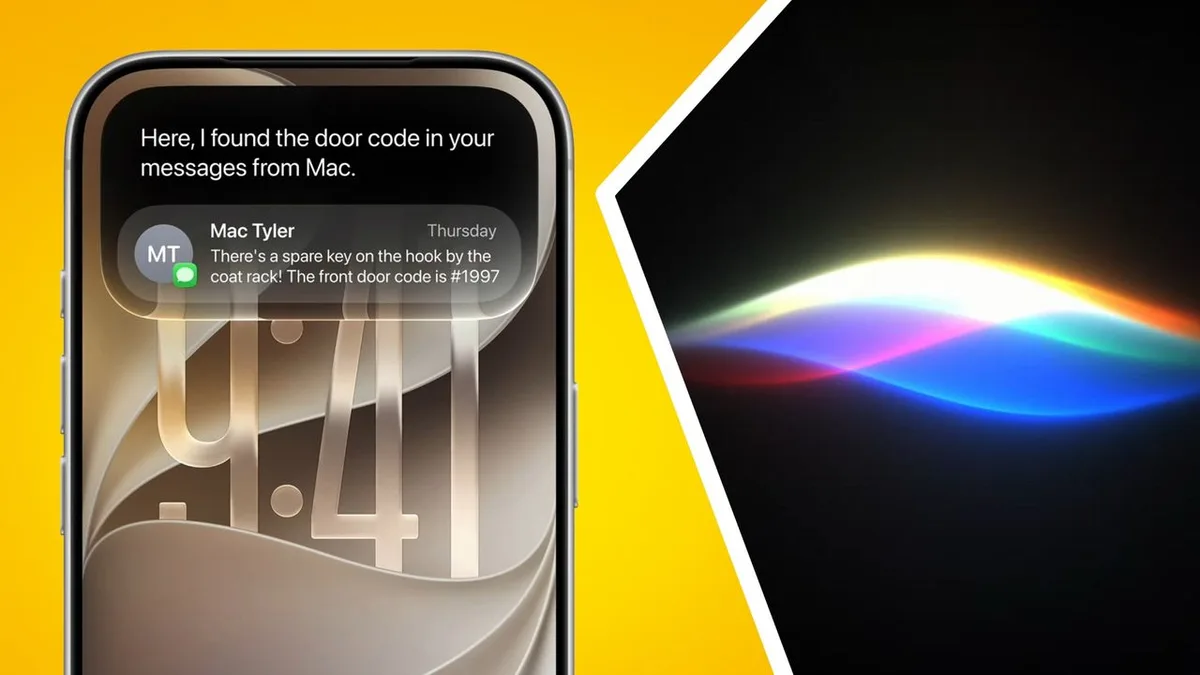
Apple's Siri story has become more than a software delay. It is now a hardware question. The company has acknowledged that the new Siri AI system was effectively rebuilt, and that admission changes how the next iPhone cycle should be read. If Siri is being redesigned to handle deeper personal context and more complex actions, Apple will need devices that can support that work without making the experience feel slow or fragile.
The important part is not that Apple missed its first timing target. Large assistant rewrites are difficult, especially when they must respect privacy, work across apps, and avoid hallucinating inside sensitive personal tasks. The important part is that Apple appears to have decided that the first version was not good enough. That means the company is willing to take reputational pain now to avoid shipping an assistant that feels impressive in demos and unreliable in daily life.
For iPhone buyers, the rebuild puts more weight on memory, neural processing, and on-device model strategy. Apple has already separated some Apple Intelligence features by hardware generation, and a more capable Siri could widen that divide. A phone with more RAM and stronger local inference may not sound exciting in isolation, but it could determine whether the assistant feels instant, private, and useful.
TechRadar reported Apple's comments that the Siri AI work was torn down and rebuilt from the ground up, while noting that an earlier version had apparently been ready last year. That makes the current Siri roadmap feel less like a polish delay and more like a major architecture reset.
The reset may also explain why so many iPhone rumors now orbit memory and AI capability. A better Siri cannot simply answer trivia. It has to understand messages, calendar context, photos, app states, and user intent without exposing more data than necessary. That kind of assistant pushes hardware and software together. It rewards tight integration, but it also punishes underpowered devices quickly.
That is why the Siri news belongs beside our earlier coverage of iOS 27 AI photo tools and Apple's image editing boundary. Apple is trying to make AI feel like part of the operating system rather than a separate chatbot layer. The risk is that every delayed or limited feature becomes a reminder that the platform is still being rebuilt in public.
There is a marketing problem too. Apple has to sell new iPhones without overpromising an assistant that users cannot fully test on day one. If the company is cautious, critics may say it is behind. If it is too bold, every missed task will become evidence that the rebuild failed. The next iPhone cycle may therefore rely on smaller, demonstrable assistant wins rather than one grand claim about a fully transformed Siri.
The good version of this story is straightforward: Apple ships a Siri that understands more, acts more reliably, and uses iPhone hardware efficiently. The bad version is another year of vague AI positioning. The rebuild admission makes the stakes clearer. Siri is no longer just a voice assistant update. It is becoming a test of whether Apple's phone hardware, privacy model, and software discipline can still turn late arrival into a stronger product.