iOS 27's reported alarm fix is the kind of update that looks small until it affects your morning. Smartphone reliability is built on unglamorous details: alarms firing at the right volume, notifications arriving on time, calls coming through, and settings behaving predictably. Apple can announce large AI features and visual changes, but many iPhone users judge an update by whether it makes the device more dependable in daily routines.
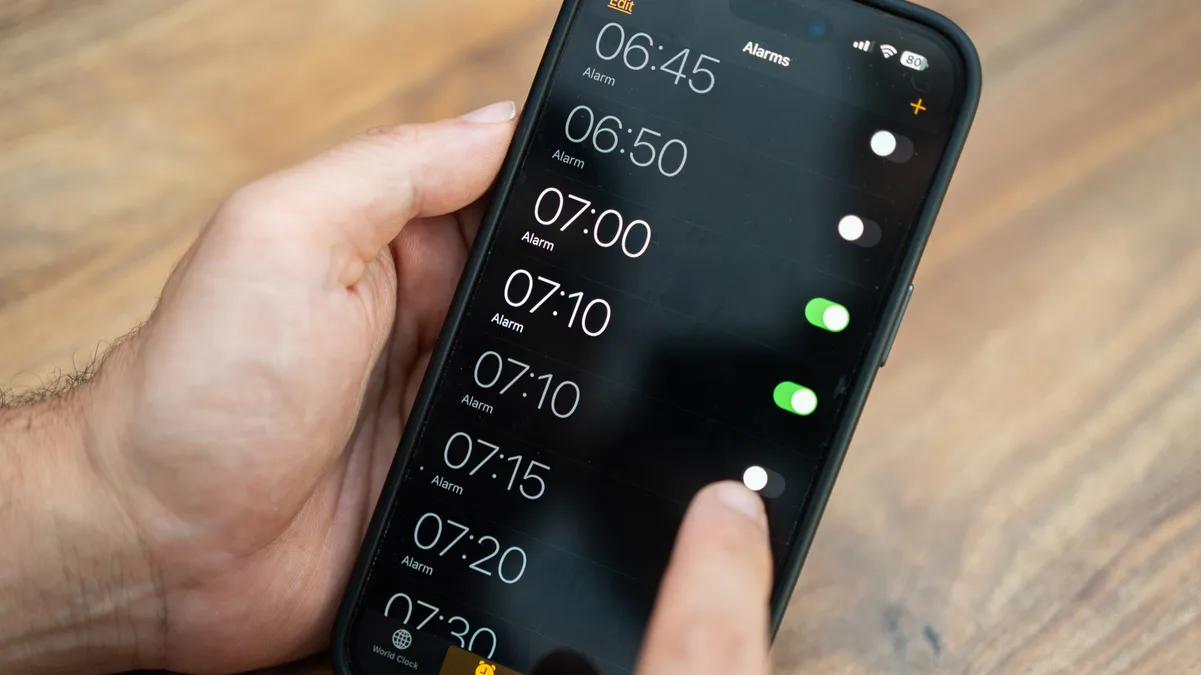
The alarm issue is especially sensitive because people use phones as bedside tools. A missed or too-quiet alarm can mean a late shift, a missed flight, or a ruined school morning. That makes alarm behavior more important than its place in the feature hierarchy suggests. If iOS 27 improves volume handling or gives users clearer control, it turns a basic app into a trust repair.
BGR reported the iOS 27 alarm-volume fix as part of the broader iPhone update cycle. The story stands out because it is not about a flashy new app. It is about Apple addressing a long-running irritation that users actually notice.
That connects with our coverage of iOS 27 recovery tools. Apple appears to be spending part of this cycle on practical quality-of-life changes: recovery, reliability, and everyday control. Those improvements do not always dominate keynote clips, but they make the operating system feel more mature. A phone that is easier to recover and easier to trust is more valuable than one with a dozen features people never open.
The update also arrives at a time when Apple is under pressure to show progress in AI without letting the core iPhone experience become messy. Users may be curious about smarter Siri behavior, but they still expect alarms, messages, battery life, and camera launch speed to work perfectly. The safest iOS release is not the one with the longest feature list; it is the one that adds intelligence without damaging muscle memory.
If the alarm fix works as reported, it will be one of those changes users quickly take for granted. That is not a bad outcome. The best system features often disappear into confidence. You set the alarm, put the phone down, and stop thinking about whether the software will respect the setting. In a year filled with AI promises, that kind of quiet reliability may be one of iOS 27's most useful upgrades.
Apple should also use changes like this to simplify settings language. Alarm volume, attention-aware behavior, Focus modes, silent switch behavior, and sleep schedules can interact in ways that confuse even experienced users. A fix is most valuable when users can understand why the alarm will behave differently tomorrow morning. Clear labels, better warnings, and a simple test option would make the feature feel more trustworthy. This is where Apple can use its design strength without making anything flashy. A phone that explains routine-critical behavior well feels calmer. In the long run, that calm is part of why people stay with an ecosystem. iOS 27 may be judged publicly by AI progress, but private loyalty is often built by small moments where the phone simply does what the owner expected.