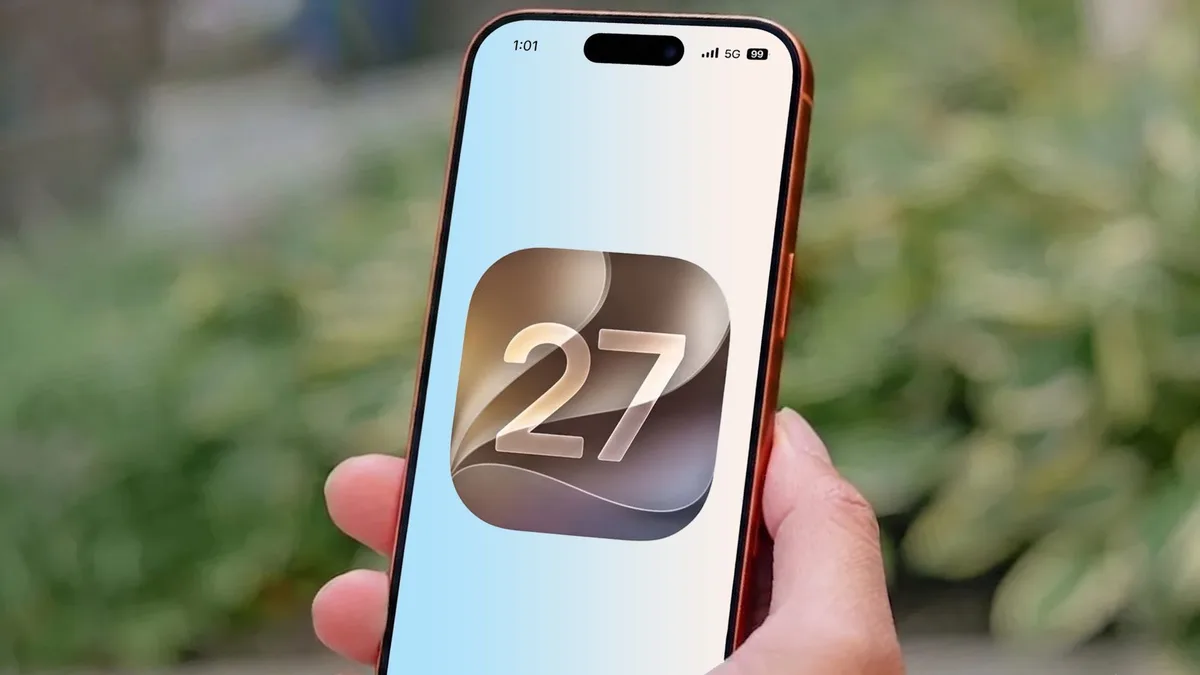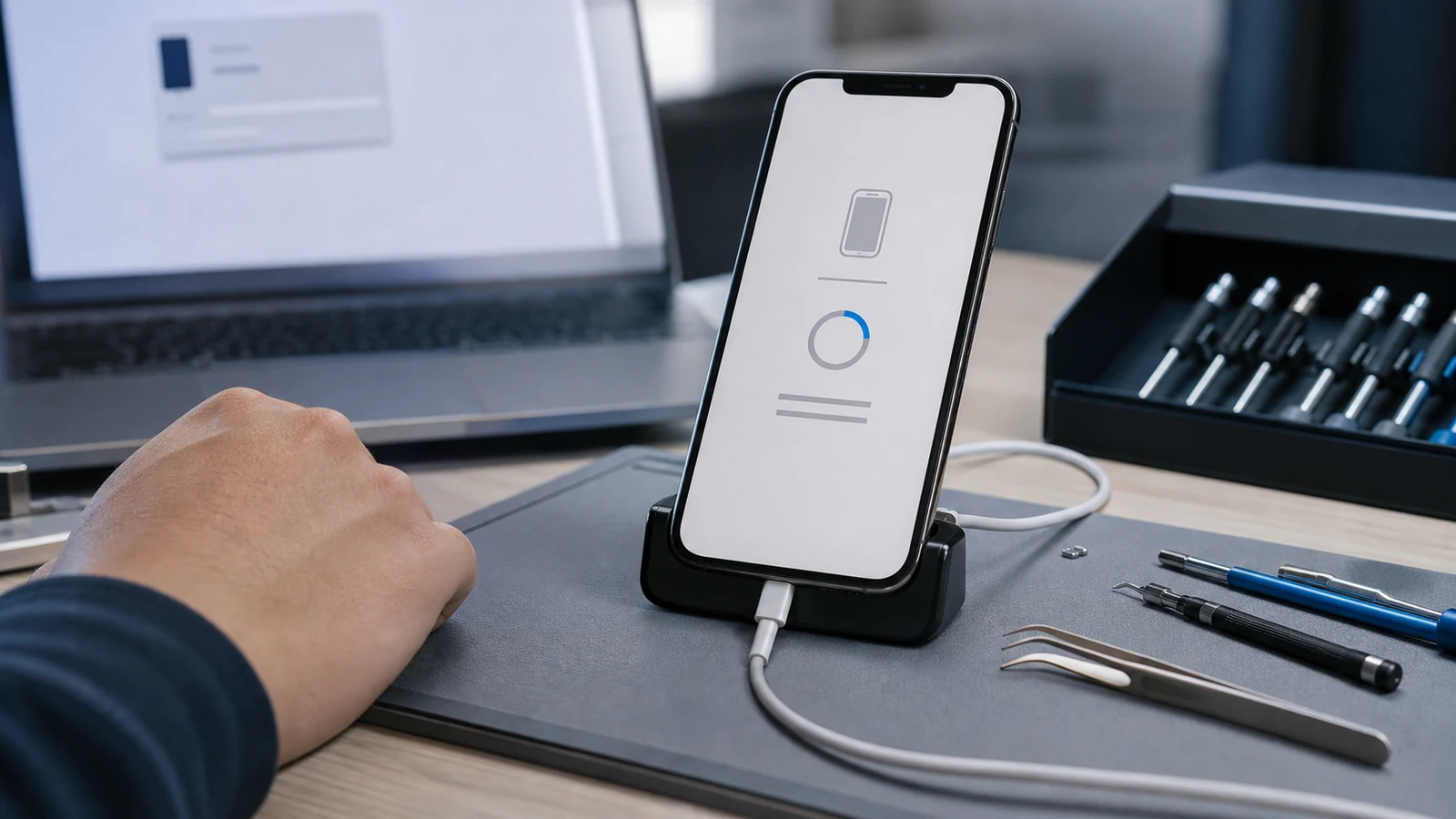
An iPhone recovery feature sounds boring until the moment someone needs it. For years, serious iOS repair usually meant connecting the phone to a Mac or PC, launching Finder or Apple Devices, and hoping the restore path worked. That is not a huge burden for power users, but it is a real problem for people who use a phone as their only computer. A built-in Recovery Assistant in iOS 27 would make the iPhone more self-sufficient at exactly the point where the device is least useful: when the system is failing.
The practical benefit is obvious. If an update goes wrong, a system component breaks, or the phone enters a recovery loop, the device could guide the user through diagnosis and repair without another machine. That would fit Apple's broader move toward on-device management, where setup, transfer, security checks, and account recovery are handled directly on the phone. It would also reduce pressure on stores and support channels for problems that can be solved with a guided system repair.
There is a trust angle too. A recovery tool has to be simple enough for normal users, but strict enough that it does not become a shortcut for attackers or unauthorized unlocking. Apple will likely frame the feature around signed software, account protection, and device integrity. The best version would explain problems in plain language without exposing confusing low-level details, then offer repair steps that preserve data whenever possible.
The iOS 27 feature was reported by cnBeta, which described Recovery Assistant as a way to diagnose and repair system issues without relying on a computer. The source link matters here because this is not a flashy AI feature or camera leak; it is a support workflow change. If Apple ships it widely, it could quietly improve ownership for millions of users who have no idea what recovery mode is until something breaks. The main thing to watch is whether the feature handles only minor repair tasks or supports deeper reinstall paths that previously required desktop software.
The best version of Recovery Assistant would also help families. Many people end up repairing a parent or partner's phone because the restore process assumes a second device, a cable, and some technical confidence. A guided on-phone assistant could reduce that dependency. It could explain whether the problem is network, storage, software integrity, update failure, or something that needs service. Even if it cannot fix every case, better diagnosis would keep users from guessing.
Apple also has to protect data carefully. Users will judge the feature by whether it preserves photos, messages, passkeys, and app state whenever possible. A repair option that jumps too quickly to full erase would feel dangerous. A tiered flow would be better: check, repair, reinstall system components, then erase only when necessary. If Apple gets that hierarchy right, Recovery Assistant could become one of those quiet features that people only appreciate during a bad day.
The feature could also reduce waste. A phone that can recover from more software failures at home is less likely to be replaced early, mailed away, or left unused because the owner cannot complete a desktop restore.