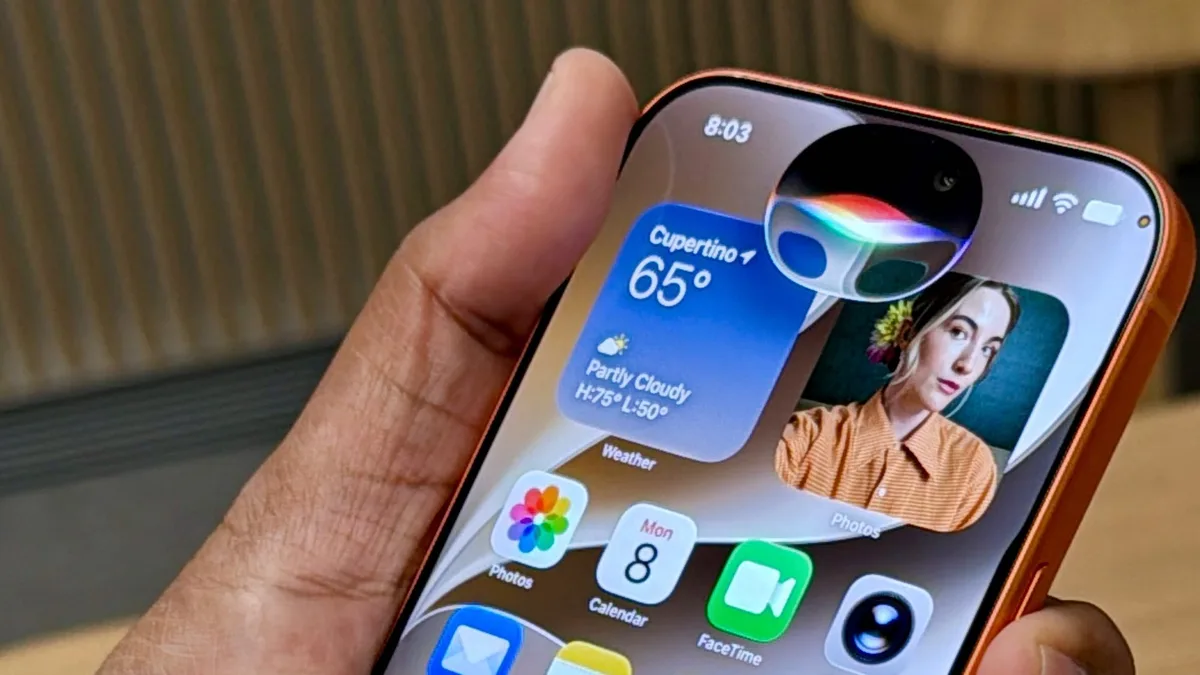
Siri has been the easy target in Apple's software story for years. The iPhone is polished, the ecosystem is sticky, and Apple Intelligence is now part of the company's public direction, but the voice assistant still carries old baggage. A report that Siri could gain AI agent abilities in the future matters because Apple cannot afford to let its most visible assistant remain the weakest part of its AI pitch.
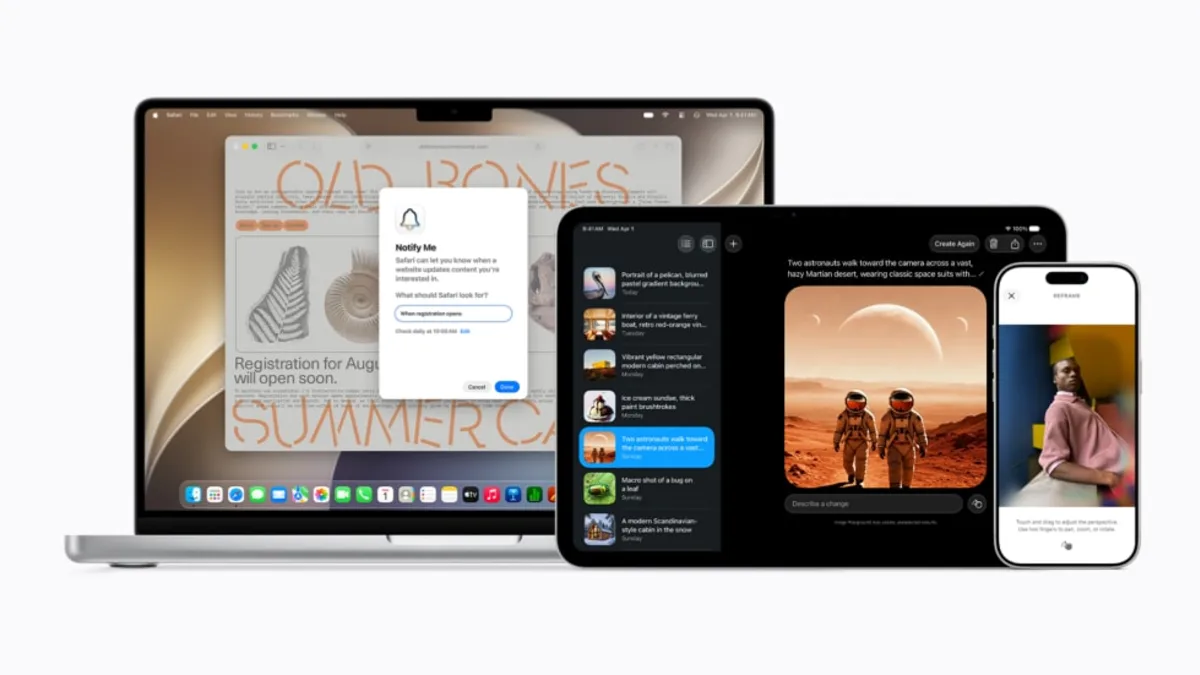
The phrase AI agent is used too loosely across the industry, but the useful version is simple: an assistant should be able to understand intent, use apps, remember context, and complete a task with fewer taps. For Siri, that would mean moving beyond short answers and timers into practical actions across messages, calendar, photos, files, reminders, travel, and shopping. The value is not conversation. The value is finished work.
FoneArena reported on Bloomberg's Mark Gurman saying Apple's redesigned Siri experience is starting to show progress and that a future AI agent direction remains possible. The report frames the delayed assistant overhaul as a long recovery path rather than a single update that instantly solves Apple's AI perception problem.
That distinction is important. Apple has to be careful because agent behavior touches private data and trusted actions. A phone assistant that sends the wrong message, books the wrong trip, or moves the wrong file is not merely annoying. It damages confidence. Apple will probably move slower than rivals, but the company still needs to show that caution is producing better reliability rather than becoming an excuse for weak features.
The pressure is already visible in our coverage of Apple's Siri AI and child-safety updates putting iPhone software under pressure. Apple can no longer rely only on hardware loyalty. Users now compare assistants by what they can actually do, and Android vendors are moving quickly with screen-aware tools, voice shortcuts, and app-level automation.
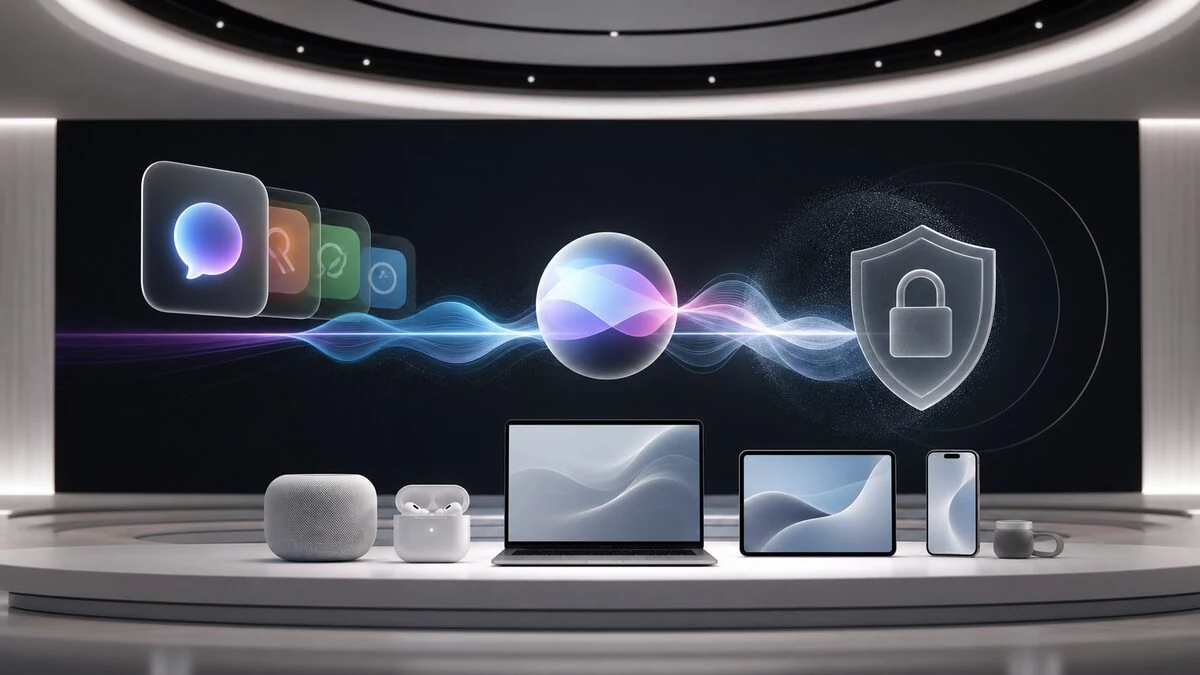
The most convincing Siri agent would feel invisible. It would summarize a thread, pull a document, schedule the follow-up, and set a reminder without forcing the user through a demo-like interaction. Apple has the advantage of controlling the operating system, apps, privacy prompts, and hardware. The weakness is that it must coordinate those pieces without breaking trust.
Developers will also matter. If Siri agent features work only inside Apple's own apps, the upgrade will feel limited. If third-party apps can expose actions safely, Siri becomes a more useful layer across the iPhone. The old Siri failed partly because it could not reliably reach enough of the user's digital life. Agentic Siri needs better permissions, better app hooks, and clearer confirmations.
The report does not mean a fully autonomous Siri is arriving tomorrow. It does show that Apple still sees the assistant as recoverable. That is the right fight to stay in. The iPhone does not need Siri to become a chatbot celebrity. It needs Siri to become dependable enough that users stop avoiding it.
The clearest milestone will be whether people start asking Siri to do work they currently do by hand. Setting a timer is not enough. Planning a route, finding a file, sending a polished update, moving a meeting, and preparing a short summary would be a different level of utility. Apple does not need to ship every agent feature at once, but it does need a path that users can feel improving.