The 100x zoom race is one of the strangest parts of modern phone photography. It is easy to market, hard to use well, and heavily dependent on software. A new comparison across Samsung, Google, and Motorola phones is useful because it treats zoom as a real-world result, not just a number printed beside a camera lens. At extreme magnification, the phone is doing as much interpretation as capture.
That is why these tests matter. Optical reach, sensor size, stabilization, sharpening, subject recognition, and AI reconstruction all collide when a phone tries to produce a usable image at 100x. The best result is rarely the one with the loudest spec. It is the one that holds detail without turning buildings into watercolor, text into smears, or faces into invented shapes.
Camera comparisons also help put other leaks in context. Our iPhone 18 Pro camera leak focused on the main camera because most people use it constantly. Extreme zoom is the opposite: less frequent, more dramatic, and more dependent on computational tricks. A good phone camera system has to handle both ends without misleading users about what is real optical detail and what is software recovery.
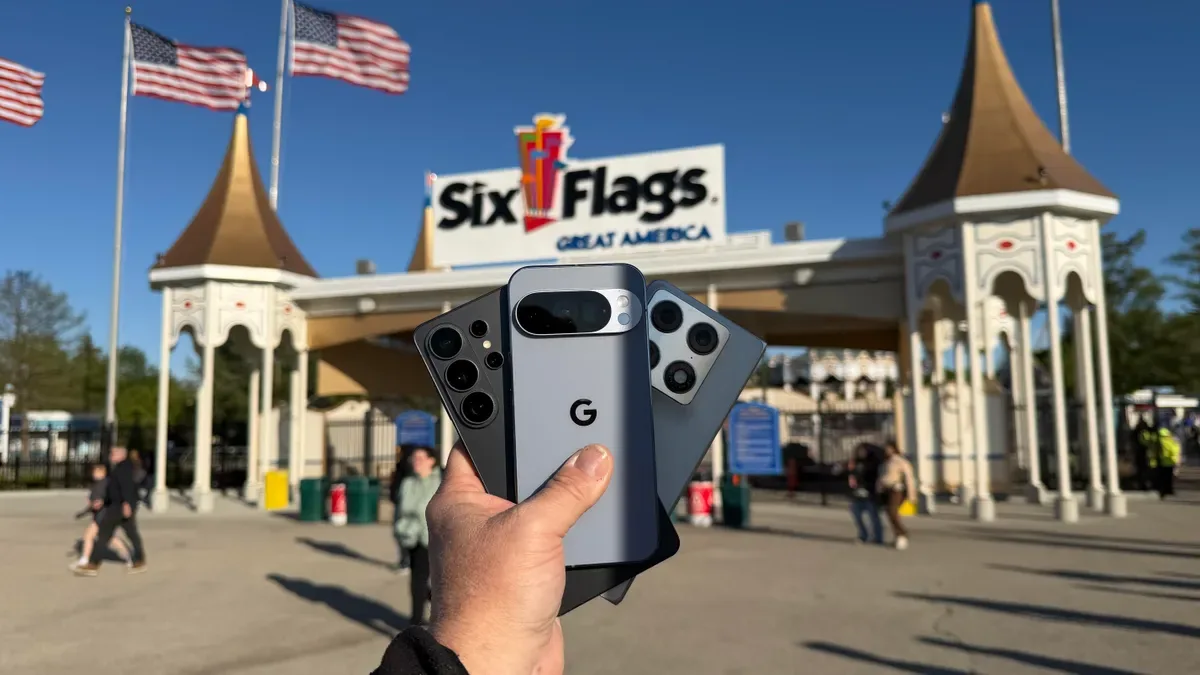
ZDNet tested the 100x zoom cameras of Samsung, Google, and Motorola models and framed the result around which phone handled the challenge best. The value of this kind of comparison is not only the winner. It is the evidence of how differently brands tune the same basic task: getting a faraway subject to look recognizable from a pocket device.
For buyers, 100x zoom should be treated as a bonus, not a foundation. If you regularly photograph sports, wildlife, or distant stage events, a phone can help, but it will not replace dedicated optics. If you occasionally want to read a far sign, capture a skyline detail, or identify something across a field, software-boosted zoom can be genuinely useful. Expectations decide whether it feels impressive or disappointing.
The comparison also shows why camera reviews should include awkward scenes. Perfect daylight samples are not enough anymore. Phones need to be tested against movement, haze, digital zoom, mixed light, and fine text. Those situations reveal the difference between a polished imaging pipeline and a camera app that is covering weaknesses with aggressive sharpening.
The 100x zoom conversation will continue because it looks good in marketing and gives brands a simple number to chase. But the real story is software judgment. The best phone camera is not the one that zooms furthest on paper. It is the one that knows how far it can push the image before the result stops looking trustworthy.
There is a trust issue here as well. When a phone uses AI reconstruction at extreme zoom, users should understand that the final image may be an interpretation rather than a clean optical record. That may be fine for casual memories, but it matters for documentation, evidence, travel signs, or anything where accuracy matters. Phone makers should be clearer about when software is enhancing a scene and when it is inventing detail to make the picture look cleaner.