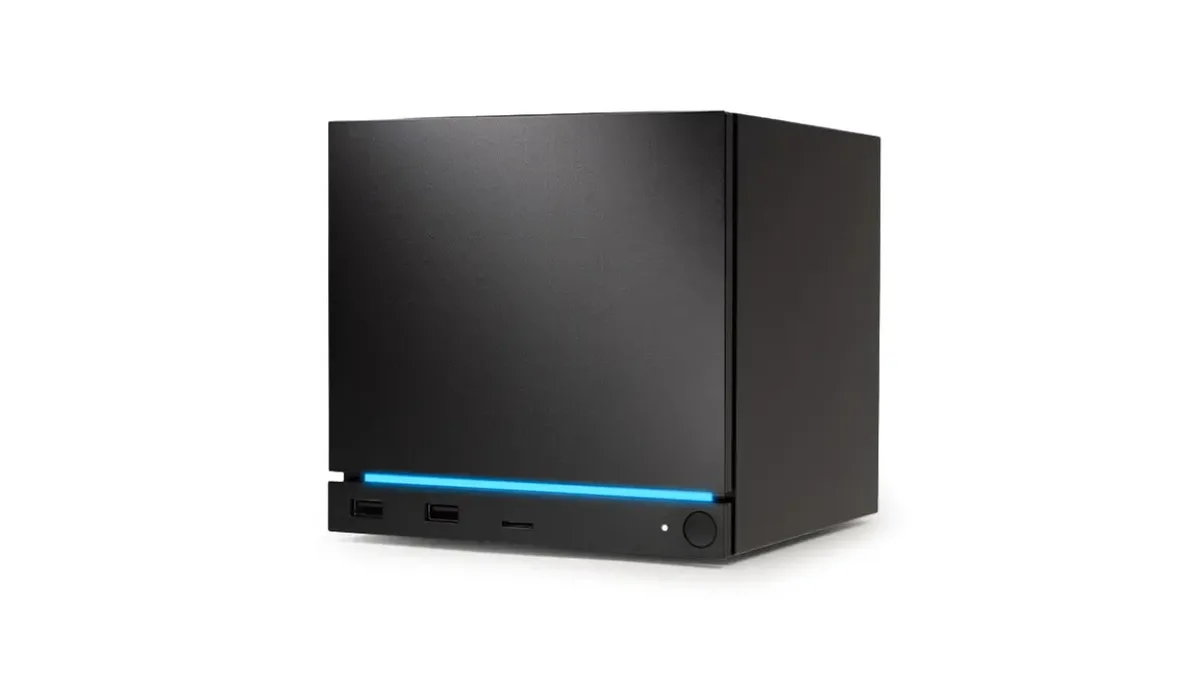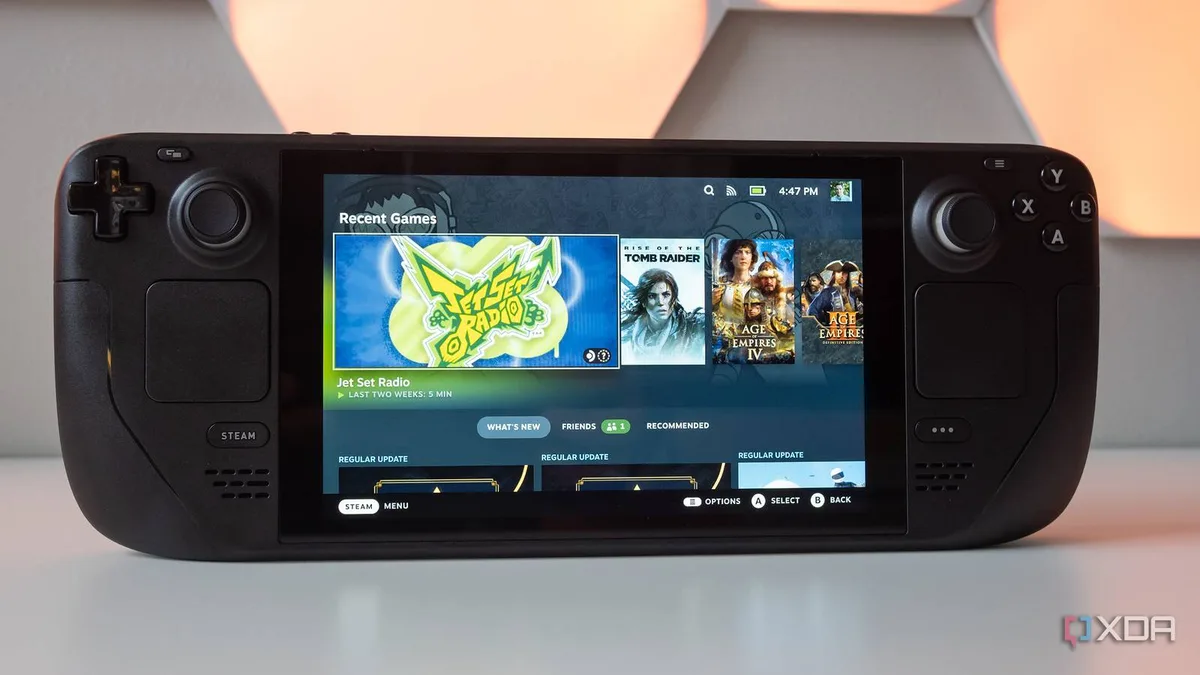
A new Steam Machine rumor matters because Valve is not the same company it was when the first Steam Machines struggled. The Steam Deck changed how people think about Linux gaming, portable PC hardware, and Valve's ability to build a full device experience around Steam. A new living-room box would arrive in a very different market.
Regulatory findings are not launch events, but they often appear when hardware is close enough to need approval. That makes this leak more concrete than a vague forum rumor. If Valve is preparing a Steam Machine-style device again, it would likely be shaped by lessons from the Steam Deck rather than the fragmented strategy of the earlier Steam Machine era.
The living room is still a difficult target. Consoles are simple, affordable, and familiar. Gaming PCs are flexible but messy. A Valve box would need to sit between those worlds: easy enough for couch use, powerful enough for a real Steam library, and polished enough that users do not feel like they are troubleshooting a small PC.
T3 reported that leaked regulatory findings suggest a Steam Machine launch could be only weeks away, possibly before the end of June. The timing is not confirmed by Valve, but the regulatory angle gives the rumor more weight than normal speculation.
What Valve has learned
The Steam Deck proved that Valve can make SteamOS feel approachable. It also proved that Proton compatibility, performance profiles, sleep behavior, and verified game labels can turn PC complexity into a more console-like experience. A new Steam Machine would need to bring those lessons to a TV-first setup.
The rumor also fits with the wider handheld and console-adjacent hardware trend we covered in our gaming phone and handheld analysis. Gaming devices are spreading into more shapes: phones with fans, Windows handhelds, Linux handhelds, cloud boxes, and possibly a new Valve living-room system.
Price will be the hardest question. If Valve prices the hardware like a console, margins may be tight. If it prices the hardware like a compact gaming PC, the audience shrinks. The Steam Deck worked partly because it felt reachable. A Steam Machine needs the same kind of pricing clarity.
Performance targets will also matter. The device does not need to beat high-end PCs, but it has to run popular games well at living-room resolutions. Upscaling, power efficiency, controller support, and quiet cooling may matter more than raw benchmark numbers. Nobody wants a couch console that sounds like a desktop tower.
The leak should still be treated carefully until Valve confirms it. But if a new Steam Machine is close, it could be the clearest sign yet that Valve sees SteamOS as more than a handheld platform. The next step may be returning PC gaming to the TV, this time with a better software foundation.
Valve also has a community advantage that most hardware makers lack. Steam users already review games, test compatibility, share settings, and discuss performance. A living-room Steam Machine could benefit from that culture if Valve exposes the right information inside SteamOS. Verified labels, controller notes, expected settings, and cloud-save reliability would make the box feel less like unknown PC hardware and more like a guided console experience.