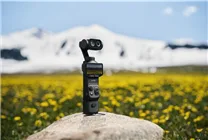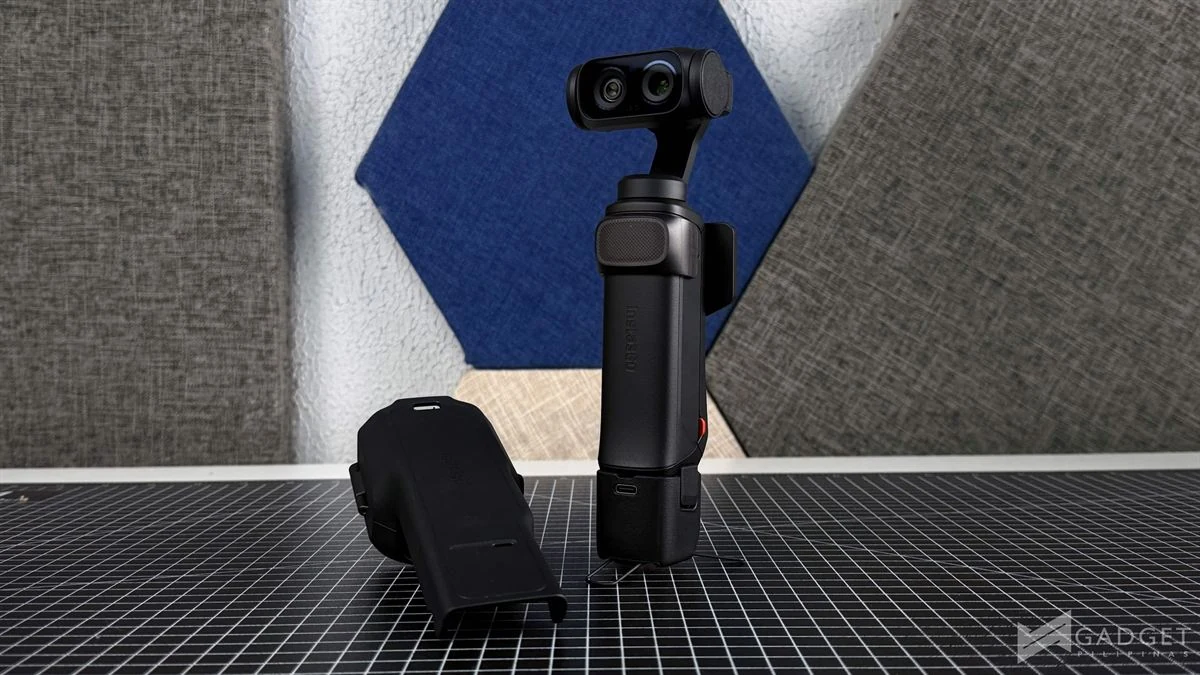
Pocket gimbal cameras are becoming more than stabilized video sticks. The Insta360 Luna Ultra and Luna Pro launch shows how the category is moving toward AI-assisted framing, stronger optics, higher resolution, and creator workflows that used to require larger camera setups. The pitch is simple: make serious-looking video easier to capture without carrying a full rig.
That matters because creators are asking small cameras to do more. They want walk-and-talk footage, product shots, travel clips, vertical video, slow motion, low-light recording, and reliable tracking from one pocketable device. Smartphones can do much of this, but a dedicated stabilized camera still has advantages in ergonomics, movement, and heat management.
The Luna Ultra's dual-lens approach is especially interesting because pocket gimbal cameras often feel limited by a single perspective. Wide shots are useful, but creators also need compression, closer framing, and more flexibility without cropping heavily. A telephoto option gives the device a more complete shooting language.
Gadget Pilipinas reported the debut of the Insta360 Luna Ultra and Luna Pro, highlighting Leica-engineered optics, a Triple AI Chip, a 1-inch Leica-derived imaging module, up to 8K 30fps video, Dolby Vision support, and a Luna Ultra dual-lens setup with wide and telephoto capture.
Why AI tracking is becoming central
AI tracking is not a bonus feature for this category. It is the reason many people buy a pocket gimbal camera instead of using a phone tripod. If the camera can keep a subject framed while the creator moves, cooks, walks, bikes, presents, or records alone, it saves time and makes solo production easier.
This launch belongs beside the broader gadget trend we covered in our June device roundup. The best new devices are not just spec upgrades. They are tools that remove friction from a repeatable activity. For creators, friction is setup time, missed focus, poor framing, bad audio, and shaky footage.
The detachable 2-inch OLED touchscreen also matters because small cameras need quick control. Nobody wants to dig through a phone app for every setting. A good on-device screen can make the camera feel self-contained, while phone control remains useful for remote framing and file transfer.
Battery life will decide whether the Luna line is convenient or merely impressive. Up to four hours sounds useful, but real endurance depends on resolution, tracking, screen use, wireless connection, and heat. High-end modes such as 8K and 4K slow motion can drain small devices quickly.
The Luna Ultra launch suggests pocket creator cameras are entering a more serious phase. Smartphone cameras are still strong, but a dedicated stabilized camera with Leica optics, AI tracking, vertical capture, telephoto reach, and long battery life has a clear reason to exist. The category is no longer only about smooth footage. It is about making a small camera behave like a tiny production assistant.
Audio support will be another quiet deciding factor. A small stabilized camera can produce great footage and still fail a creator if microphones, wireless pairing, wind handling, or sync are weak. Insta360 already understands action and creator workflows, so the Luna line has to treat sound as part of the capture system. Clean video with poor audio still feels unfinished, especially for talking-head and travel content.