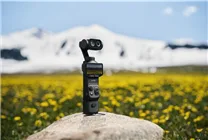
The pocket camera fight between DJI and Insta360 is no longer only about sensors, stabilization, and creator features. It is now a patent fight. That shift matters because compact gimbal cameras have become one of the few gadget categories where hardware design, software tracking, and stabilization algorithms are still visibly moving fast.
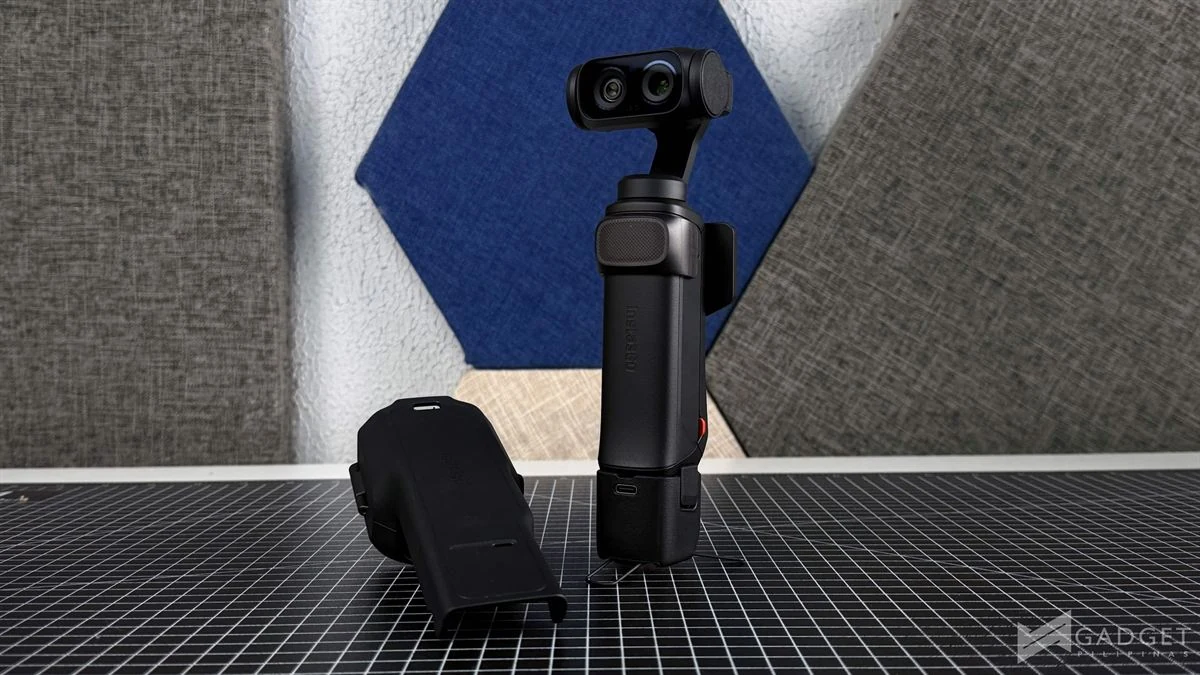
Insta360 recently pushed into dual-camera handheld gimbals with Luna Ultra, while DJI has long defined the category through the Osmo Pocket line. When a market grows quickly and product shapes begin to converge, patent friction often follows. The legal battle is not separate from the product race. It is part of it.
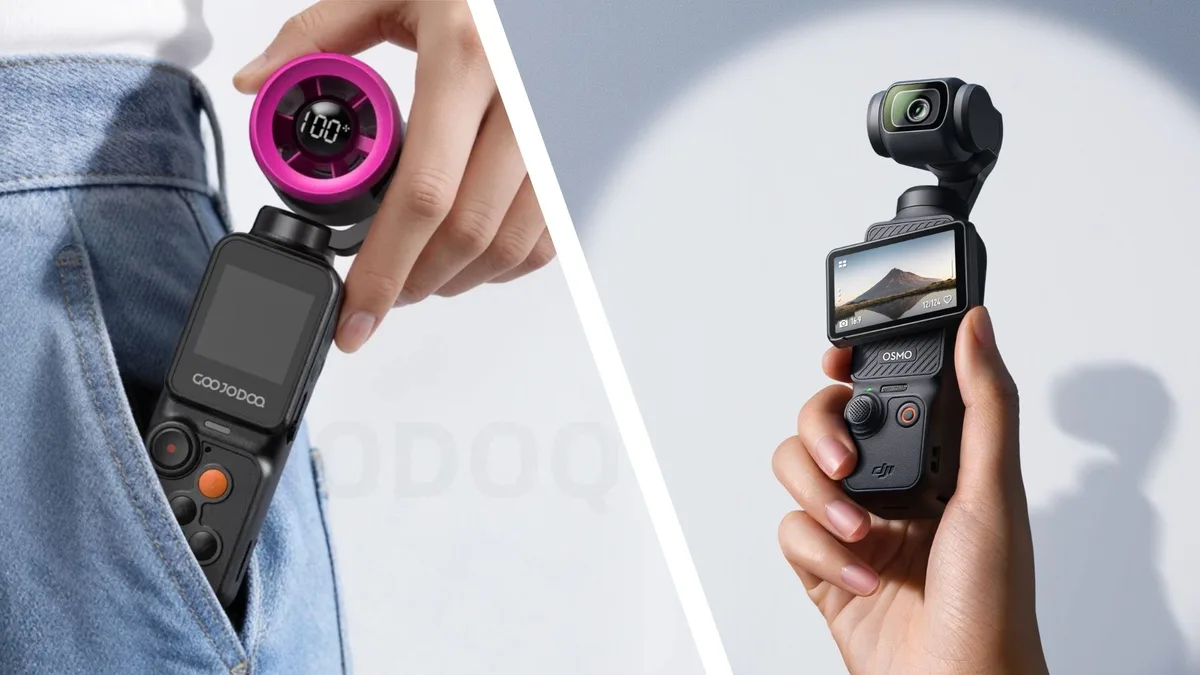
The allegations are broad enough to matter. DJI is said to be targeting design and invention patents tied to its Osmo Pocket technology, including rotating screen appearance, gimbal mode switching, target tracking, electromechanical control, and shooting control. Insta360 is responding with its own patent claims involving gimbal and panoramic camera technologies.
Kuai Technology reported that DJI and DJI Osmo filed patent infringement lawsuits in the Eastern District of Texas against Insta360 and related companies on June 10 and 11 local time, and that Insta360 countered in the United States on June 12 with claims covering five invention patents.
The timing is aggressive. Luna Ultra had just entered the market, and reports around DJIs own Osmo Pocket 4P suggested a June 15 launch with pricing aimed directly at the same creator audience. Legal action at that moment can affect sales channels, retailer confidence, launch messaging, and overseas expansion plans.
This category has been heating up in our own coverage too, including recent attention around Insta360s Luna Ultra push. The appeal is obvious: creators want stabilized video without carrying a full camera rig. The more these devices become mainstream, the more valuable the underlying control and tracking patents become.
The dispute also shows how creator hardware has become strategic. Pocket cameras are no longer just accessories for travel vloggers. They sit beside drones, action cameras, phone rigs, live-streaming setups, and short-video production kits. A company that controls the best stabilization workflow can pull users into its editing software, cloud services, mounts, microphones, and future camera ecosystem. That makes each patent more commercially meaningful than it might appear.
In other words, the lawsuit is about future creator workflows as much as one current camera body.
For buyers, the immediate effect may be limited. Products already on shelves do not stop being useful because companies sue each other. But patent disputes can influence availability, firmware features, import rules, and future product design. If injunction requests succeed, certain models or functions could become harder to sell in specific markets.
The bigger message is that pocket cameras have matured. When a gadget category is small, companies compete mostly through novelty. When it becomes lucrative, patents become strategic weapons. DJI and Insta360 are now fighting over the shape of a market both helped make bigger. Creators may care most about image quality and stabilization, but the next generation of pocket cameras may be shaped just as much in courtrooms.