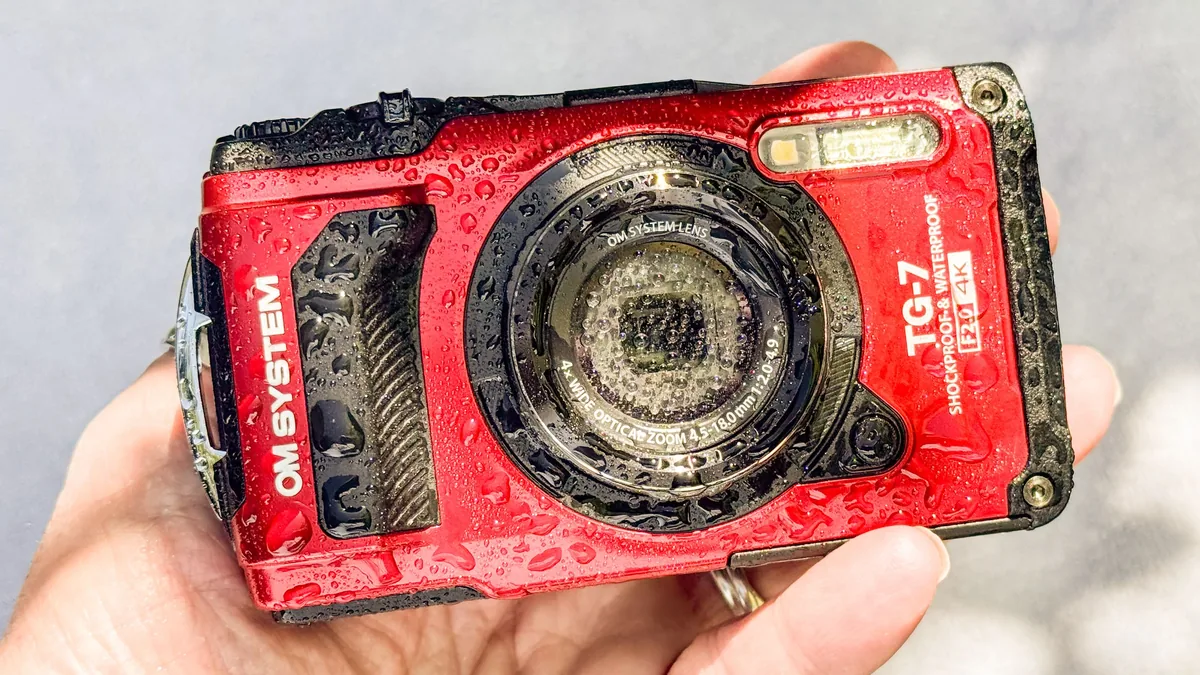
The compact camera never disappeared evenly. Ordinary point-and-shoot models were crushed by smartphones, but waterproof compact cameras survived because they solve a different problem. They are not trying to beat a flagship phone in every photo. They are trying to be the device you can drop, splash, freeze, hand to a child, take into surf, or use on a trail without treating it like a fragile thousand-dollar pocket computer.
That distinction matters in 2026 because phones are excellent cameras but still expensive personal devices. A phone carries banking apps, messages, work accounts, identity, and daily life. Even with water resistance, many people hesitate before taking it into salt water, sand, mud, or rough outdoor conditions. A dedicated rugged compact camera absorbs that risk and keeps the phone safe.
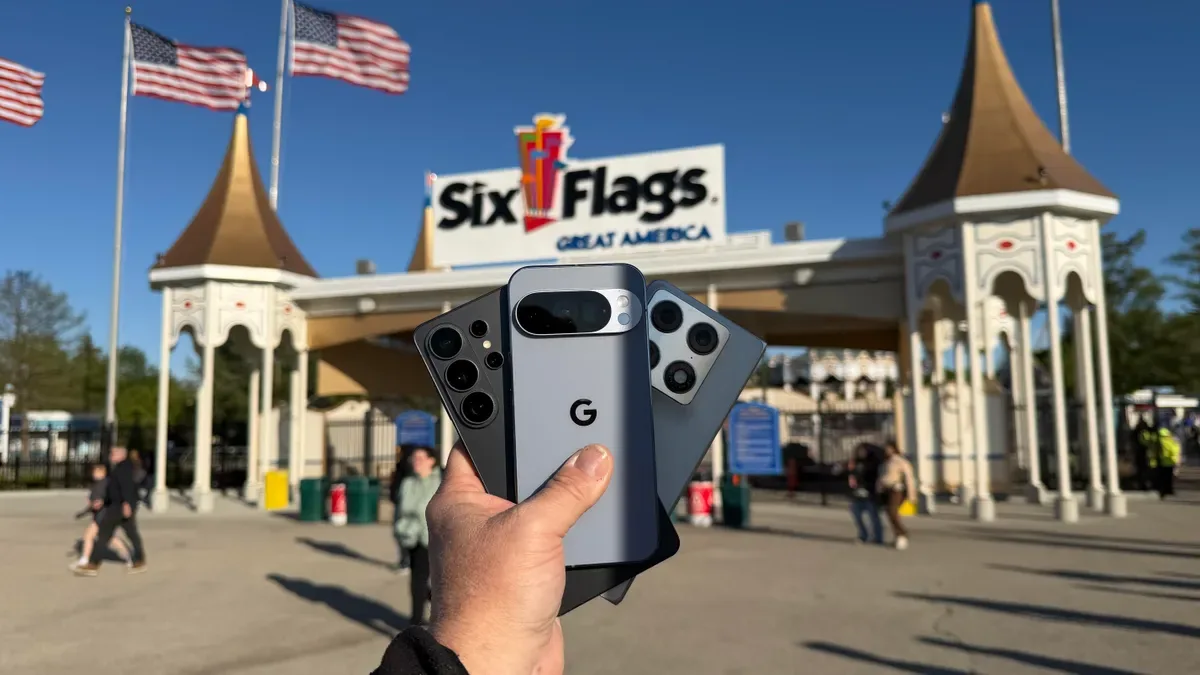
The survival of waterproof cameras also puts smartphone camera marketing in perspective. As we discussed in smartphone zoom camera comparison, phones can perform amazing computational tricks, including extreme zoom. But a camera is not only an image pipeline. It is a tool used in a specific environment. A less advanced camera that can safely go where a phone should not can still be the better choice.
Digital Camera World examined why waterproof cameras helped keep the compact camera market afloat after ordinary digicams faded. That history is useful because it shows that dedicated gadgets survive when they have a clear job. The market did not need endless tiny cameras with average sensors. It still needed tough cameras for beaches, pools, travel, field work, and families.
For buyers, the case for a waterproof compact depends on behavior. If you only take city photos and casual portraits, your phone is probably enough. If you snorkel, kayak, hike in bad weather, document messy work sites, or want a camera kids can use without fear, the dedicated device starts to make sense. The value is not image perfection. It is peace of mind.
Manufacturers should learn from this. The categories that survive smartphone pressure are the ones with a specific physical advantage: ruggedness, optics, ergonomics, battery life, controls, or mountability. A generic compact camera has no reason to exist beside a good phone. A rugged compact that can be rinsed off after a beach day absolutely does.
The waterproof compact story is not nostalgia. It is a reminder that gadgets still win when they respect real conditions. Smartphones dominate because they are always with us, but they cannot make every risk disappear. For the wet, sandy, cold, and chaotic parts of life, a dedicated pocket shooter still has a job.
There is also a social advantage to a rugged camera. At a pool, beach, or campsite, people are often more relaxed handing around a tough dedicated camera than passing a phone full of private notifications and accounts. That changes how photos get taken. Kids can experiment, friends can capture moments, and the owner is not constantly worried about a cracked screen or a lost device. The image quality may be lower, but the number of captured moments can be higher.