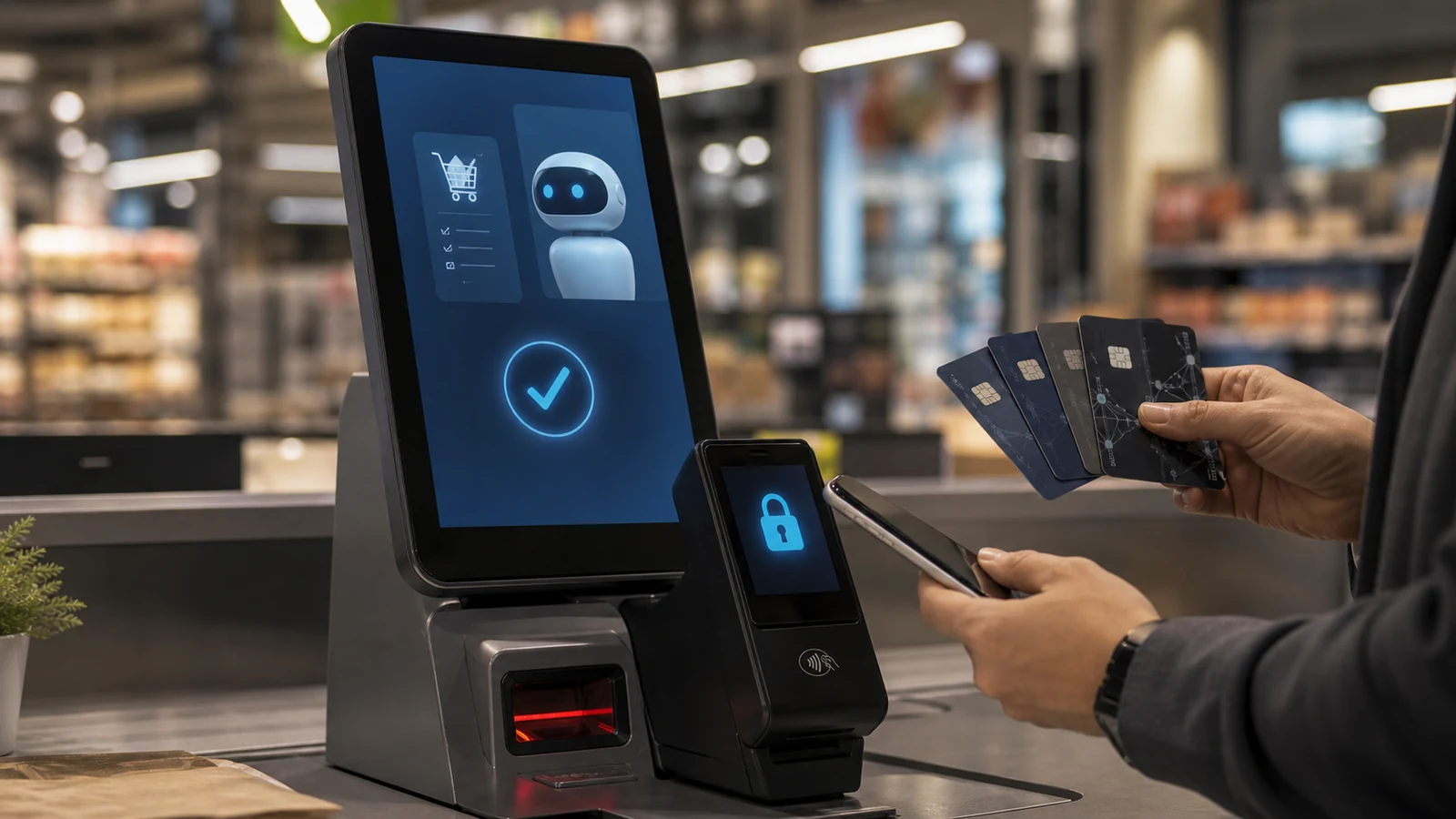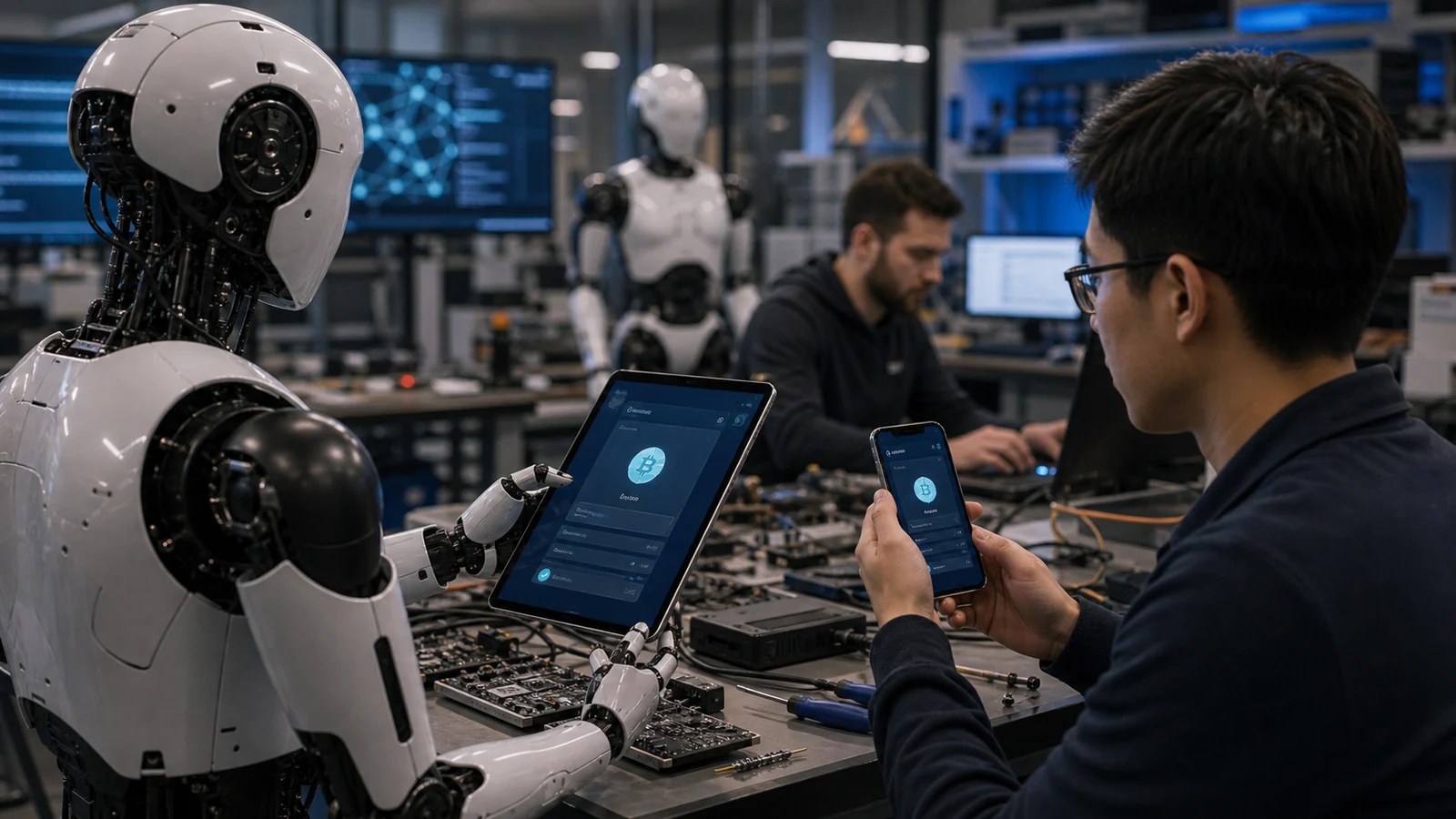
Tether's NEURA Robotics bet is unusual only if stablecoins are viewed narrowly as crypto trading tools. Tether has been moving into energy, AI, infrastructure, and now robotics because the company appears to see stablecoins as a settlement layer for a machine-heavy future. If robots, industrial systems, and AI agents eventually buy services, pay for compute, settle microtransactions, or move value across borders, stablecoins could become part of that payment stack.
Robotics is a hard market, but it is strategically attractive. A useful robot needs sensors, compute, software, batteries, manufacturing, and real customers. It also needs a way to transact if it operates with some autonomy. That does not mean every robot will hold a wallet tomorrow. It means payment companies and stablecoin issuers are thinking about how machines might authenticate, spend, and settle when automation becomes more common.
The investment also gives Tether a story beyond USDT supply and reserves. Stablecoin issuers are under more regulatory and competitive pressure as banks, payment networks, and fintechs enter the market. Investing in AI and robotics lets Tether argue that it is building for future digital infrastructure, not only profiting from crypto liquidity.
Cointelegraph reported Tether's backing of NEURA Robotics in a round that could reach 1.4 billion dollars, with autonomous payments as part of the framing. That size makes the deal difficult to dismiss as a small side bet.
The risks are obvious. Robotics timelines are long, capital needs are heavy, and consumer adoption is uncertain. Stablecoin companies may understand payment rails, but manufacturing robots is a different discipline. Tether will need the partnership to produce real commercial progress, not only a futuristic narrative around machines paying machines.
Still, the direction is worth watching. Finance, AI, robotics, and payments are starting to overlap. If autonomous systems become more common in warehouses, hospitals, factories, and homes, the question of how they transact will become practical. Tether wants to be near that question early, and the NEURA bet makes that ambition visible.
The investment may also be about distribution. If robots eventually need payment capabilities, identity, or settlement rails, early infrastructure partners can shape standards before the market becomes crowded. Tether does not need every robot to use USDT for the bet to be useful. It needs enough influence to keep stablecoin rails part of the conversation.
The challenge is credibility. Stablecoin profits can fund ambitious bets, but robotics investors will judge outcomes by machines deployed, customers served, and cost curves improved. A futuristic payment narrative is not enough. NEURA and its backers have to show that autonomy, manufacturing, and business demand are progressing together.
There is a branding benefit as well. Robotics gives Tether a way to talk about the real economy, not only exchanges and traders. That may matter as stablecoins become more regulated and issuers compete for legitimacy with banks.
If the thesis works, the payment layer will be invisible to most users. A robot or machine will complete a task, settle value in the background, and leave humans reviewing permissions and receipts afterward.