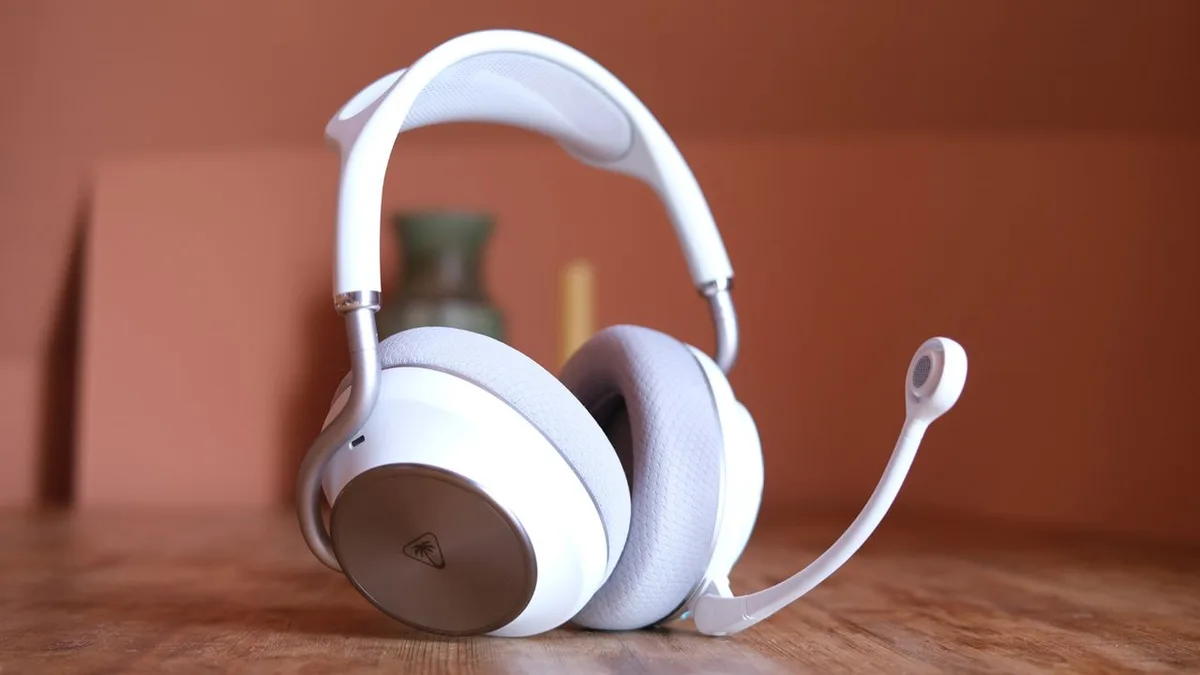
Premium gaming headsets have become crowded territory. Nearly every brand promises better drivers, cleaner microphones, stronger noise cancellation, longer battery life, and a more comfortable fit. The Turtle Beach Stealth Pro II review conversation is useful because it shows how difficult it is to stand out when good wireless audio is no longer rare.
A headset at this level has to do several jobs at once. It needs to sound convincing in games, keep voice chat clear, switch smoothly between platforms, stay comfortable for long sessions, and avoid software that feels like a chore. It also has to look mature enough for people who use the same headset for work calls, music, and movies.
Turtle Beach has a strong name in console audio, but brand history does not guarantee a win in 2026. SteelSeries, Logitech, Razer, Sony, Microsoft, Corsair, and several specialist audio brands all compete for the same player. That means the Stealth Pro II has to justify itself through daily comfort and reliability, not only a spec-heavy box.
T3 reviewed the headset as a flagship sequel trying to move further upmarket. The accessory pressure is similar to what we covered with the Rapoo VE3 swappable battery headset, where one practical feature can matter more than a long marketing list.
Comfort is the feature people remember
Sound quality matters, but comfort is what decides whether a headset becomes the daily choice. Clamping force, heat buildup, weight distribution, ear cushion material, and glasses compatibility all show up after an hour. A headset that sounds excellent but feels heavy will lose to a slightly less impressive model that disappears on the head.
Microphone quality is another real-world test. Many gaming headsets still treat the mic as secondary, even though voice chat, streaming, Discord calls, and remote work make it central. A premium headset should make a player easy to understand without forcing them to buy a separate USB microphone.
Battery and connectivity can either build trust or ruin the experience. Players do not want to troubleshoot pairing before a match or discover that a low-battery warning arrived too late. If a headset supports multiple platforms, switching should be obvious. If it offers app settings, they should sync without confusion.
The premium category also needs restraint. RGB, aggressive shapes, and oversized branding are less important than build quality and controls that can be found by touch. A headset that looks calm on a desk can fit more parts of a person's life, which matters when prices climb.
The Stealth Pro II story is less about one headset and more about the standard for gaming accessories. Buyers are no longer impressed by wireless alone. They expect a complete product: strong audio, clear chat, low latency, durable parts, thoughtful controls, and comfort that lasts. Any flagship headset that misses one of those pieces has a harder case to make.
That is why premium headset reviews should spend as much time on routine use as they do on sound demos. The best model is the one that survives a week of meetings, late matches, charging habits, and platform switching. A flagship accessory has to be boringly dependable before its premium features can matter.