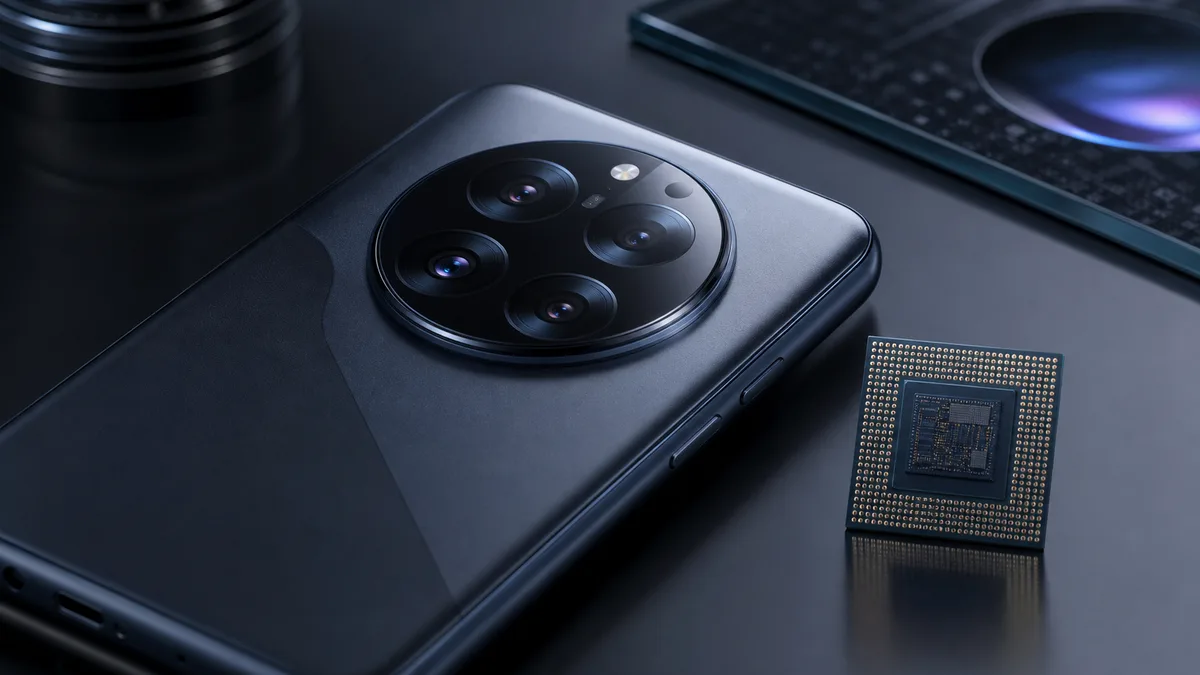
vivo's next flagship leak reads like a checklist for the second half of the premium Android race: a 2nm Dimensity chip, a 200MP camera, and a launch window aimed at the back half of the year. If the report proves accurate, vivo is preparing to compete on the two areas that define many high-end Chinese phones right now: efficient performance and ambitious mobile imaging.
The rumored 2nm Dimensity part is important because MediaTek has spent several generations moving closer to the flagship conversation that Qualcomm once dominated almost alone. A strong next-gen Dimensity chip would give vivo another way to differentiate, especially in markets where buyers associate the brand with camera-first hardware.
The 200MP camera claim is equally interesting, but not because megapixels alone guarantee better photos. High-resolution sensors can support cropping, pixel-binning, digital zoom, and detail capture, but they need good optics and processing. vivo's camera reputation depends on the full imaging pipeline, not a number printed on a launch slide.
搜狐网 carried the vivo flagship claim, and the leak fits the pattern of Chinese Android brands pushing camera and battery hardware aggressively before global rivals move. Our earlier vivo camera sensor coverage showed how imaging remains central to the company's premium identity.
The performance and camera pairing
A 2nm chip and a 200MP sensor are linked in practice. Better image processing needs compute power, memory bandwidth, and thermal stability. A phone can capture a huge amount of data, but it still has to process HDR, noise reduction, portrait depth, stabilization, and video frames quickly enough that the camera feels responsive.
That is where vivo has an opportunity. If the company can pair a next-gen Dimensity platform with its own image tuning, it may offer a flagship that feels different from Snapdragon-based rivals. The challenge is making that difference visible in normal photos, not only in technical samples.
The leak also raises pricing questions. Advanced chips and large sensors are expensive, and memory prices are already pressuring phone plans across the industry. A high-end vivo model may need to justify its cost through camera results, battery life, display quality, and software support rather than relying on one headline sensor.
For now, the report should be treated as an early signal. But it points in a believable direction: Chinese flagship phones are going to keep pushing bigger camera hardware and newer chip nodes. The winners will be the brands that turn those parts into a phone that feels fast, cool, and reliable when someone is actually taking pictures.
There is also a regional strategy angle. vivo can use ambitious imaging hardware to defend its home-market position while testing how far MediaTek-based flagships can travel globally. If the chip performs well and the camera system feels polished, the phone could strengthen the argument that premium Android performance no longer has to mean one supplier or one familiar formula.
The deciding factor will be consistency. A flagship camera must work quickly in dim rooms, bright streets, moving subjects, and video, not only in the carefully selected samples that appear near launch.