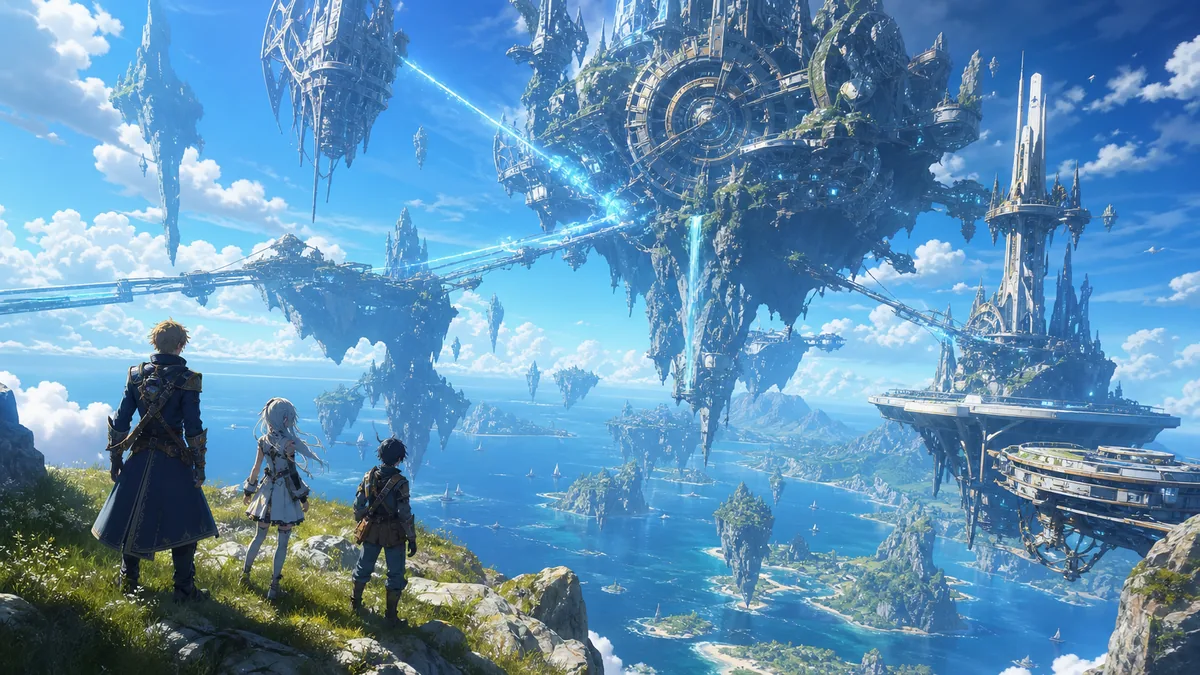
Xenoblade Genesis being teased for 2027 is not a short-term release story, but it is an important roadmap signal. Nintendo is telling RPG players that Switch 2 will not only rely on remakes, ports, and early-year showcases. It will have another large Monolith Soft project waiting beyond the launch window, and that matters for players who buy systems based on long-form worlds.
The Xenoblade series has become Nintendo's dependable answer to the cinematic, systems-rich JRPG. Its games are long, dense, and often strange in a way first-party Nintendo releases rarely are. A new title called Genesis naturally invites speculation about whether it is a fresh start, a prequel frame, or a thematic reset after the previous trilogy.
That speculation is useful, but Nintendo has to manage it carefully. Xenoblade fans enjoy lore, but new players can feel locked out when every trailer appears to require homework. If Genesis is meant to grow the audience on Switch 2, Monolith Soft may need to communicate a cleaner entry point without losing the scale that returning players expect.
GamesRadar listed Xenoblade Chronicles Genesis among the biggest Nintendo Direct announcements, noting that it is coming in 2027 and looks different from Monolith Soft's previous JRPG trilogy. The same recap also says the original Xenoblade Chronicles games are receiving Switch 2 editions through the rest of the year.
That pairing is smart. Updated older entries can prepare the audience while Genesis stays in development. It gives new Switch 2 owners a way to understand the series before the next major release arrives. It also gives Nintendo a steady RPG presence across multiple calendar years instead of relying on one large launch.
Xenoblade's place on Switch 2 sits beside other ambitious RPG coverage, including Fire Emblem Fortune's Weave turning September into a strategy RPG test. Together, they show Nintendo leaning into depth. Not every first-party game is being built for short sessions or family play. Some are explicitly for players who want dozens of hours and complicated systems.
Combat design is the area where Genesis can most clearly mark a new era. Xenoblade battles have always balanced cooldowns, positioning, party roles, and spectacle, but the systems can be intimidating from the outside. A new entry could keep the strategic layering while making early battles easier to read, especially for players arriving through the Switch 2 editions of older games.
World structure is equally important. Monolith Soft is at its best when environments feel impossible at first, then become understandable through landmarks, shortcuts, and late-game movement. Switch 2 gives the studio more room to make that scale feel smoother.
That sense of discovery is the series' real selling point. Players remember the moment a distant shape becomes a place they can actually reach.
The big unknown is how Genesis uses the new hardware. Xenoblade has always pushed Nintendo systems harder than most first-party games, sometimes at visible technical cost. Switch 2 gives Monolith Soft more room for scale, draw distance, combat effects, and smoother exploration. If Genesis can combine that technical headroom with a cleaner narrative entry point, it could become the RPG that defines the console's second wave.