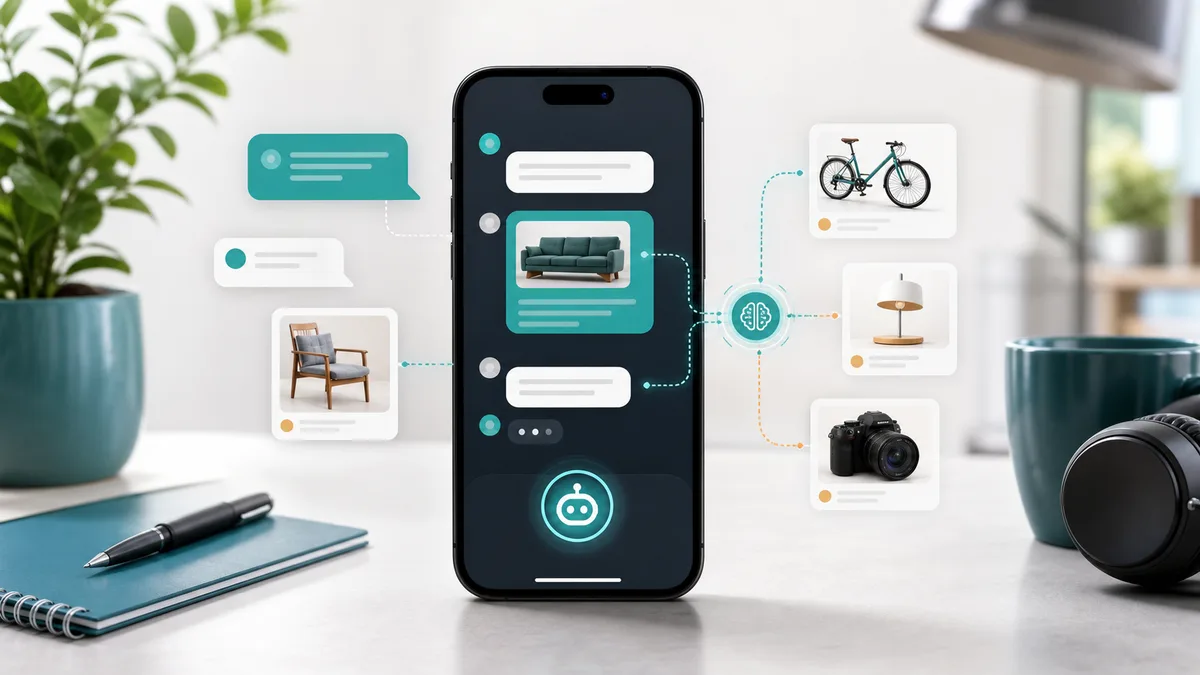
Xianyu's tests around AI buying and selling assistants are interesting because second-hand marketplaces run on conversation. People ask whether an item is available, negotiate price, request more photos, check shipping, and repeat the same small questions over and over. If AI can reduce that friction without making the exchange feel fake, it could change how casual resale works.
The challenge is trust. A marketplace chat is not just customer support. It is a negotiation between strangers where tone, timing, and honesty matter. A bot that answers quickly but hides defects, invents details, or pressures buyers could make the platform feel worse. The right assistant should save time while keeping the human seller accountable.
Leikeji reported in Chinese on Xianyu's internal testing of AI features referred to as buy-side and sell-side assistants. The article frames the core question well: can AI make second-hand trading less repetitive without removing the human judgment that makes trust possible?
This fits with our coverage of Chinese AI assistants moving into task modes. The market is shifting from general chatbots toward agents that handle narrower, messier workflows. Resale chat is exactly that kind of messy workflow.
For sellers, the value is obvious. An assistant could summarize item condition, suggest replies, draft price responses, and organize shipping details. For buyers, it could compare listings, ask standard questions, and warn when a deal looks inconsistent. The best outcome is not replacing people; it is removing the boring back-and-forth that prevents deals from closing.
Platform incentives will need scrutiny. If an AI assistant is optimized only for transaction volume, it may nudge users toward faster deals rather than better ones. Xianyu has to design for dispute reduction, accurate descriptions, and clear disclosure when a bot is speaking. Otherwise automation could create more complaints than convenience.
The test matters because resale marketplaces are everyday commerce, not a futuristic demo. If AI can work there, it can work in other messy consumer flows: rentals, repairs, local services, and classifieds. Xianyu's experiment is a useful preview of how practical AI may enter daily buying and selling one conversation at a time.
The disclosure design will matter. A buyer should know when a suggested reply came from AI and when the seller personally confirmed a claim about condition, shipping, or price. That distinction protects both sides. Automation is useful for routine phrases, but trust in a second-hand sale still depends on a human taking responsibility for the facts.
The biggest win may be reducing abandoned conversations. Many second-hand deals fail not because the buyer or seller changes their mind, but because replies are slow, details are missing, or negotiation becomes tiring. A good assistant can keep momentum without forcing anyone into a deal. That makes the platform feel more responsive while preserving choice. In resale, small reductions in friction can produce a large improvement in completed transactions.
Search could also improve. If the assistant understands why a buyer keeps rejecting listings, it can refine recommendations beyond price and category. That would make the marketplace feel less like endless scrolling and more like guided discovery. The risk is oversteering, so Xianyu will need user controls that keep suggestions transparent.