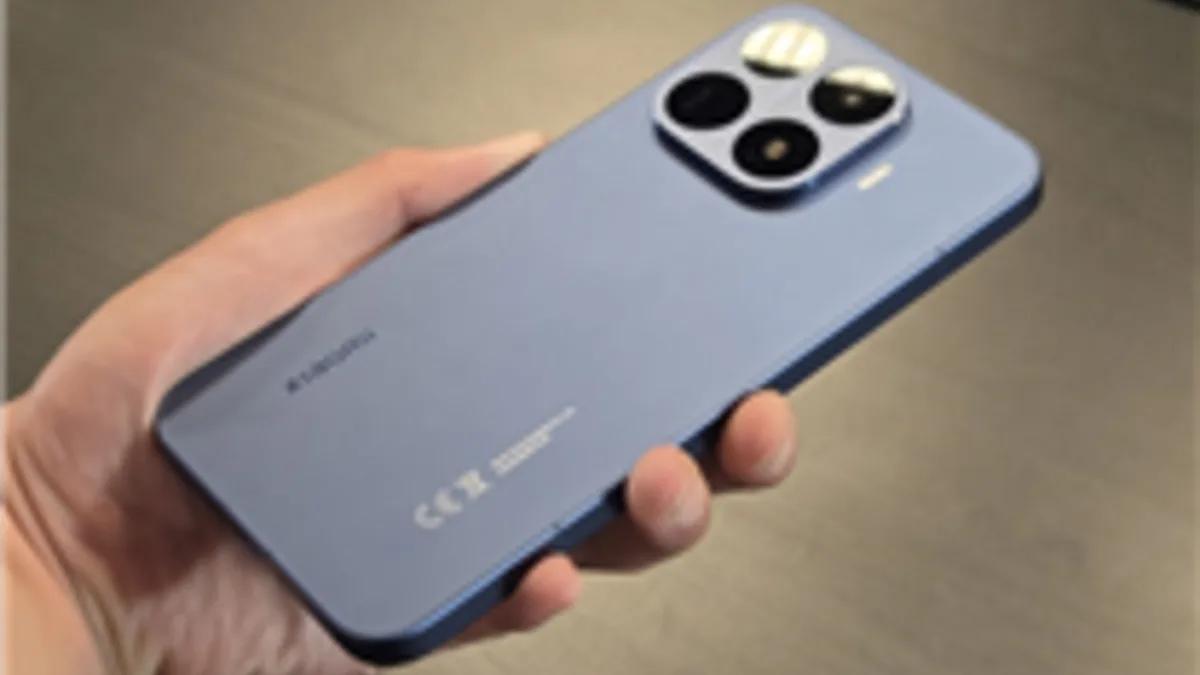
Xiaomi's rumored September hardware wave sounds like the kind of coordinated launch push the company likes when it wants to own a news cycle. The report points to Xiaomi 18, Xring O3, and a wider foldable, which would give the brand three different stories at once: a mainstream flagship, a silicon platform, and a form-factor experiment. That is a lot to manage, but it also shows ambition.
The Xiaomi 18 part will draw the broadest attention. Xiaomi's numbered flagship line has to compete with Samsung, vivo, OPPO, Honor, and Apple's next iPhone cycle. A launch window around September would put it close to the most intense premium-phone period of the year. If Xiaomi wants to stand out, it needs more than a faster chip. It needs a clear reason for buyers to care before rivals answer.
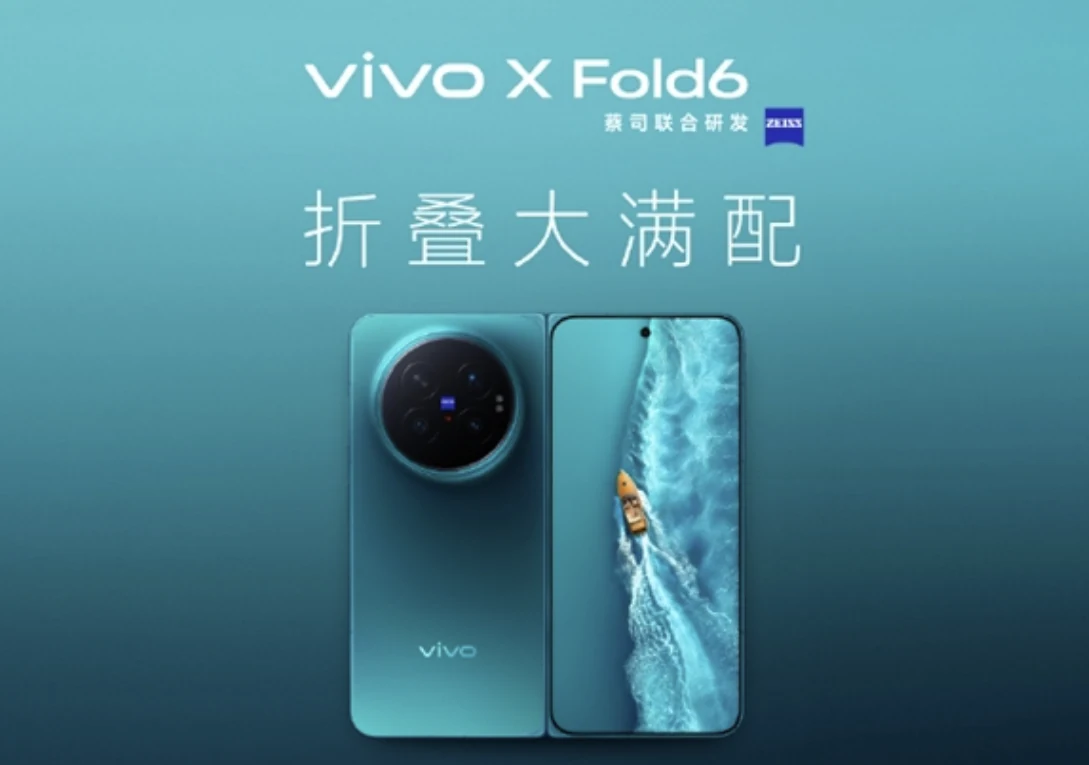
The foldable angle may be even more revealing. A wider device suggests Xiaomi is still exploring shape, not only specs. We have tracked that pressure in our Xiaomi MIX Fold 5 engineering leak coverage, where camera and battery upgrades suggested the company wants its foldables to feel less compromised. A wider foldable could continue that push.
快科技 reported the Xiaomi September rumor, including Xiaomi 18, Xring O3, and a wider foldable. The piece frames September as a potentially packed month for Xiaomi hardware. As with all prelaunch Chinese supply-chain chatter, the schedule and naming could still change.
The Xring O3 mention matters because silicon gives Xiaomi a deeper story than normal component upgrades. If the company can show meaningful progress with its own chip strategy, it gains more control over performance, imaging, connectivity, and AI features. That is difficult and expensive, but it can separate Xiaomi from brands that rely entirely on the same outside platforms.
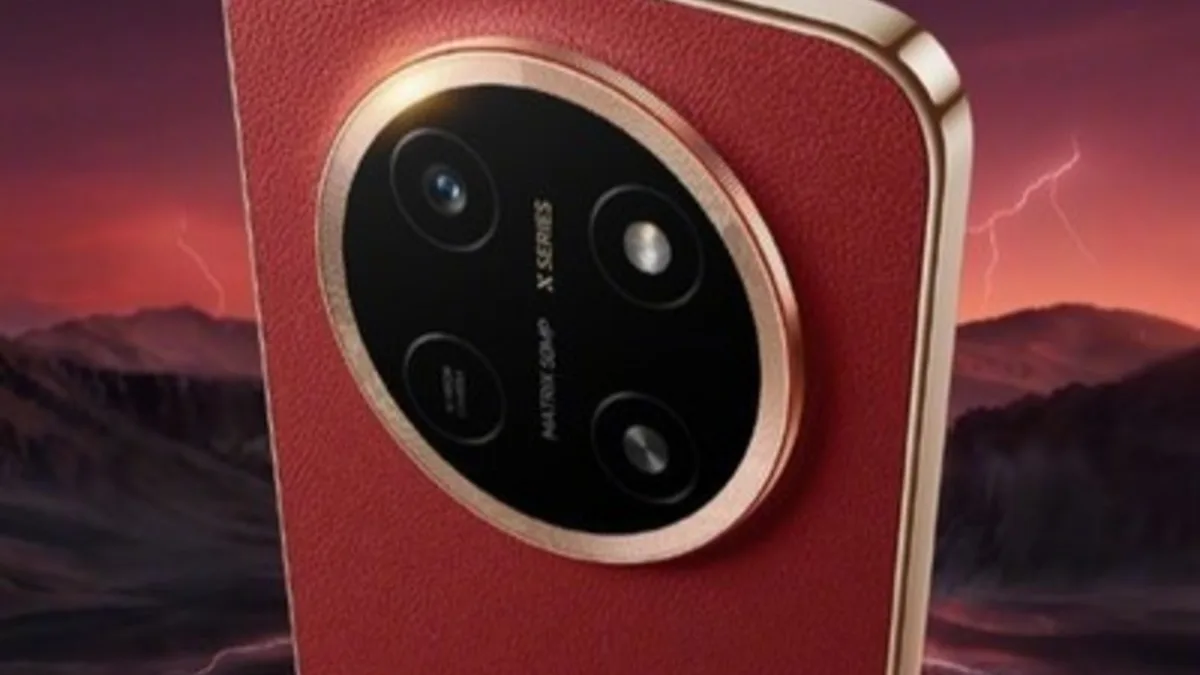
The rumored camera direction also fits the current premium race. Xiaomi has leaned hard into large sensors and high-profile imaging partnerships. A future Xiaomi 18 with a strong main camera and refined processing could compete well, but only if the software feels stable. Flagship buyers forgive fewer rough edges now because every major Android brand can build a fast phone.
The report makes September look crowded, and that may be the point. Xiaomi's best launch cycles combine specification pressure with a clear sense of momentum. If the company really brings a flagship, silicon update, and foldable news together, it will be trying to tell buyers that Xiaomi is not merely matching the premium market. It is trying to shape the next round.
A packed Xiaomi launch would also test the company's ability to keep messages from colliding. A flagship phone wants camera and performance attention. A new chip wants technical credibility. A wider foldable wants design curiosity. If all three arrive close together, Xiaomi needs a clear order of importance or the products could blur. The strongest version of the event would make each device answer a different user need while still feeling part of one larger Xiaomi roadmap.
The schedule also puts pressure on Xiaomi's supply chain. A September push means the company needs enough inventory, stable software, and clear regional plans from day one. Otherwise a strong rumor cycle can turn into frustration when buyers cannot find the model they followed for months.