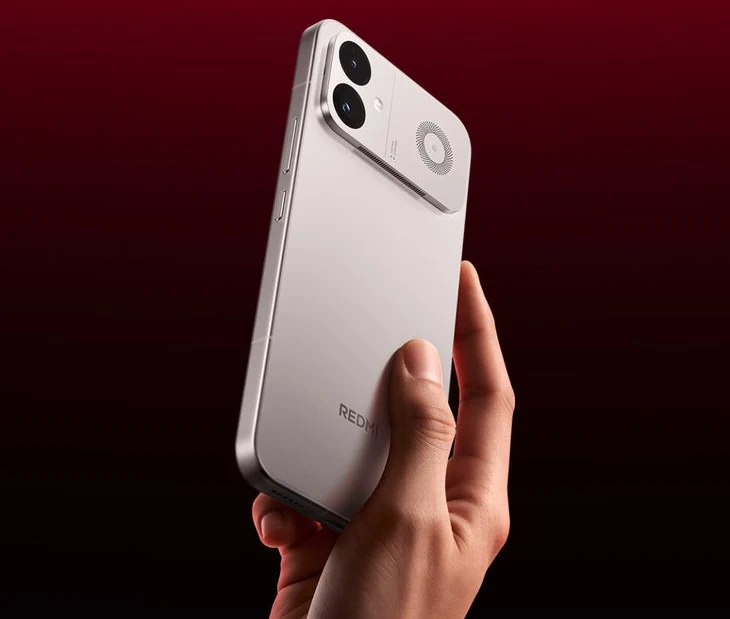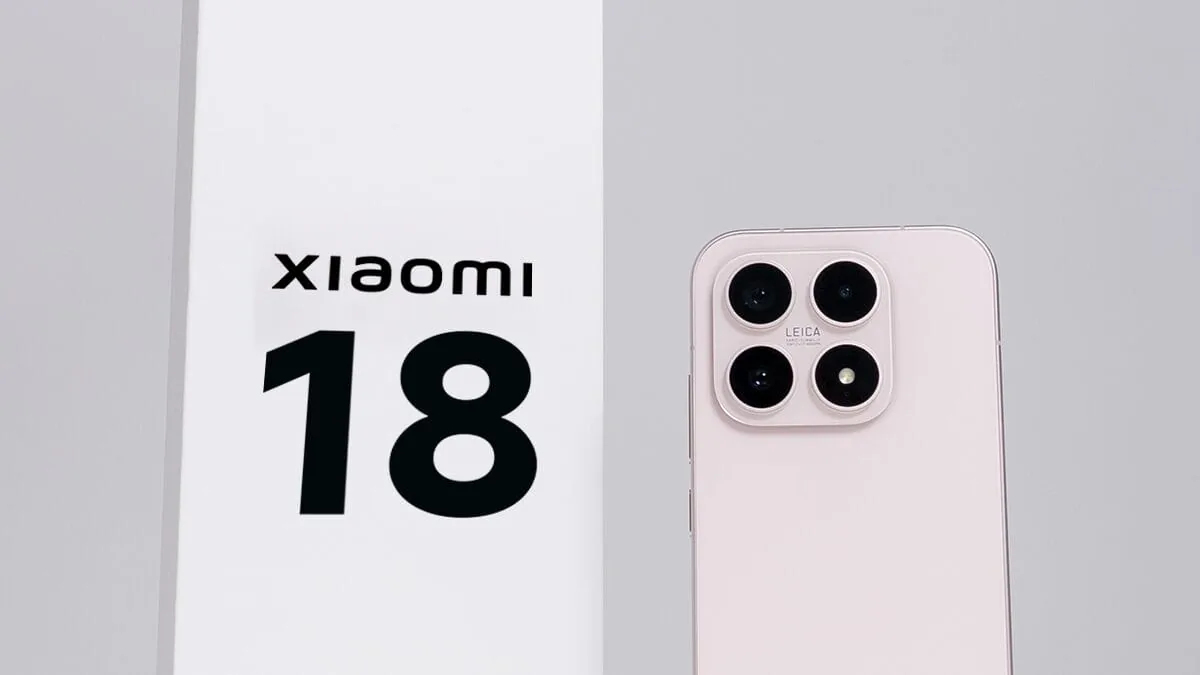
The Xiaomi 18 Pro price rumor is a useful reminder that flagship phones are becoming costlier from the inside out. A higher retail price is easy to blame on branding, but the component story is more complicated. Premium chipsets, brighter displays, larger sensors, memory upgrades, battery materials, vapor chambers, and AI-ready hardware all compete for space and budget. When enough of those costs rise together, even aggressive brands have less room to hold the line.
Xiaomi has built much of its reputation on making premium specifications feel more attainable. That becomes harder when the parts that define a flagship are no longer cheap to source. A price above the expected range would not automatically make the Xiaomi 18 Pro a poor deal, but it would force the company to explain why the phone deserves to sit closer to Samsung, Apple, and other top-tier rivals.
Camera hardware may be the most visible justification. Xiaomi has leaned heavily into large sensors, Leica tuning, and advanced zoom systems. A previous Xiaomi 18 Pro specs leak kept the 200MP camera discussion alive, and that kind of hardware is not cheap. The challenge is making the result feel better in real photos, not only bigger on paper.
ximitime.com reports that the Xiaomi 18 Pro price could rise above $835 as component costs increase. The number may shift by region, taxes, storage tier, and launch timing, but the direction is believable. Flagship phones are facing pressure from nearly every major part of the bill of materials.
The AI push adds another layer. Phone makers want to advertise on-device generation, smarter image processing, real-time translation, and assistant features that do not always depend on the cloud. Those promises require more memory, faster neural hardware, and better thermal design. Xiaomi cannot simply add those parts and keep the same price unless it cuts somewhere else, and the Pro label leaves little room for obvious cuts.
Competition in China also complicates the story. Domestic rivals move quickly, and buyers compare battery size, charging speed, camera sensors, and display specifications with unusual precision. A higher Xiaomi 18 Pro price may be accepted if the full package is stronger. If the increase comes without a clear visible upgrade, the phone could feel squeezed between value flagships and ultra-premium models.
Global markets will judge the rumor differently. Xiaomi often faces higher prices outside China due to distribution, certification, taxes, and carrier realities. A component-driven increase at home can become a much sharper price shift elsewhere. That matters because Xiaomi's global premium ambitions depend on convincing buyers that it is not only a specs champion, but a long-term flagship brand.
The leak does not confirm final pricing, but it highlights the bigger trend. Smartphone makers are entering a period where AI hardware, camera ambition, and display quality all cost real money. Xiaomi can still win if it turns those costs into a noticeably better phone. The Xiaomi 18 Pro will need to prove that a higher price is buying better daily performance, not just a more expensive spec sheet.
That makes launch messaging important. Xiaomi cannot rely only on saying costs went up, because buyers compare finished phones rather than invoices. The company will need to translate component pressure into obvious benefits: better night photography, cooler gaming, longer support, faster AI tasks, or battery gains that ordinary users can feel without reading a teardown.